


Best Chain Conveyor Systems Manufacturers in China

Choosing among the best chain conveyor systems manufacturers in China requires more than comparing prices or polished product photographs. Buyers need equipment that matches their load, speed, environment, and production layout. A chain conveyor carrying hot components faces different demands from one moving cartons through a distribution center.

China has a broad manufacturing base, but capabilities vary. Some factories specialize in standard modular equipment; others engineer heavy-duty, customized lines. Ask about chain materials, allowable load, drive sizing, wear parts, and access for maintenance. Small details matter. A poorly placed tensioner can turn routine servicing into hours of downtime.

MHI’s 2024 Annual Industry Report found that 55% of surveyed supply-chain professionals expected to increase investment in innovation over the following two years. This is a useful signal of growing interest in modern material handling, not proof of demand for chain conveyors specifically. That distinction matters.

For this guide, we assess manufacturers through practical evidence: product range, engineering support, documented quality processes, customization, and after-sales service. Request drawings and references for applications resembling yours. Check whether quoted capacity reflects continuous operation or only ideal conditions. Those figures can differ.

No supplier profile replaces an in-person audit or a carefully reviewed acceptance test. A convincing catalog is not enough. This overview helps buyers shortlist Chinese manufacturers and ask sharper questions before committing to a chain conveyor systems project.
Best Chain Conveyor Systems Manufacturers in China

What Chain Conveyor Systems Are and How They Work

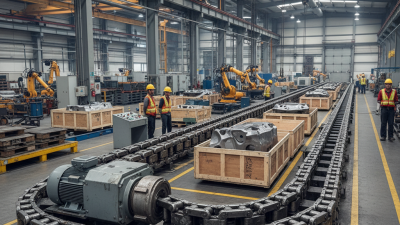
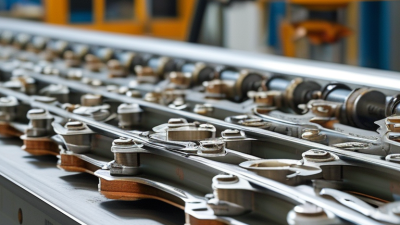
A chain conveyor moves products through linked metal chains driven by sprockets. A motor and gearbox turn the drive shaft, pulling the chain along a guided path. The chain’s return section travels underneath or beside the working run. The principle is simple. Loads may rest on attachments, slats, or pallets, depending on the design. For example, a steel pallet can cross a production area while guides keep it aligned. Chain conveyors are often chosen for heavy loads, hot environments, or defined stop-and-start movement. But chain type, lubrication, tension, and load spacing all affect performance.

MHI’s 2024 Annual Industry Report found that 55% of surveyed companies planned to increase supply-chain technology investment within two years. That figure covers technology broadly, not chain conveyors specifically. Still, it reflects why equipment must fit a real process. Check load weight, conveyor speed, transfer points, cleaning needs, and available floor space before selecting a system. A chain that is too tight can wear sprockets; poor alignment can cause noise and uneven movement. Small details matter. A neat layout drawing may miss the awkward handoff between machines, so review the actual product path and operating conditions with the engineering team.
Main Types of Chain Conveyor Systems Available in China

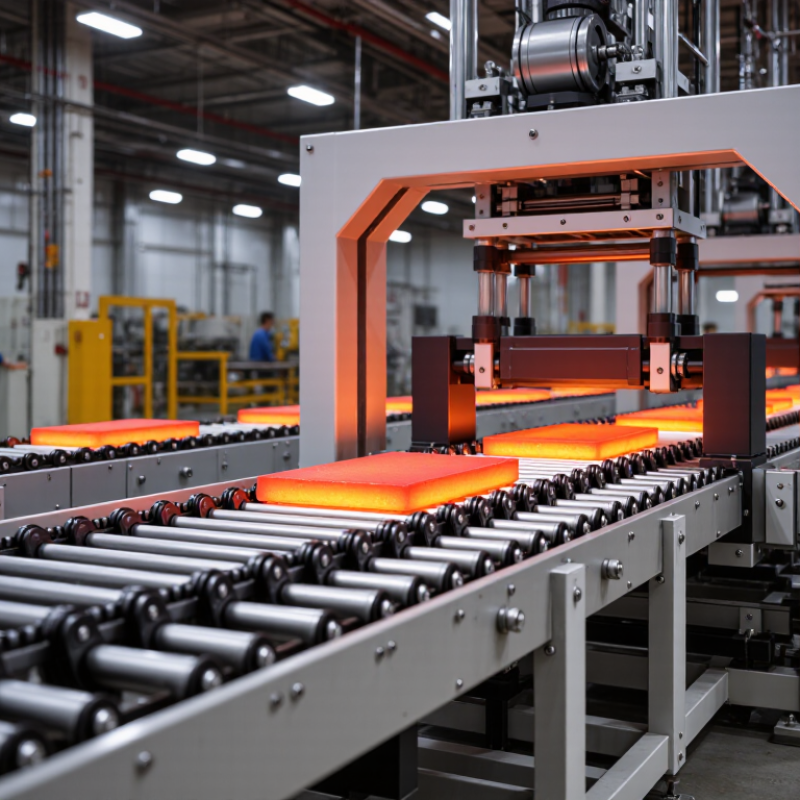
China’s chain conveyor systems are available in several configurations, each suited to a different load and route. Slat-chain conveyors use linked plates to carry hot, sharp, or uneven items, such as castings and filled containers. Roller-chain systems handle heavier loads and can move pallets through assembly or storage areas. They need sturdy frames and careful chain-tension checks.

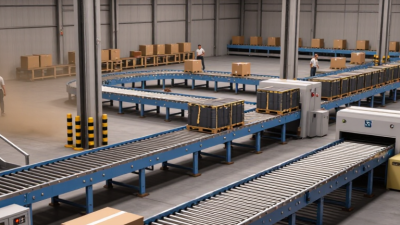
Overhead chain conveyors suspend products from a moving track, freeing floor space for workers and carts. Drag-chain systems pull bulk materials through enclosed troughs, which can help control dust and spills. For lighter packages, plastic modular-chain conveyors offer washable surfaces and tight turns, though they may not suit every temperature or load. Small details matter. A poorly placed transfer point can cause jams, and I have seen layouts that looked efficient on paper become awkward to clean.

Grand View Research valued the global conveyor systems market at USD 7.8 billion in 2022 and projected a 4.5% compound annual growth rate from 2023 to 2030. This market-wide figure is not specific to chain conveyors, but it reflects broader demand for material-handling equipment. Buyers in China should compare payload, speed, washdown needs, track geometry, and maintenance access before selecting a type. The cheapest configuration may be a false economy.

Best Chain Conveyor Systems Manufacturers in China — Main Types of Chain Conveyor Systems Available in China

Typical application capabilities of common chain conveyor types

This chart compares typical applications, not market share or performance ratings. A value of 1 indicates a commonly used capability; 0 indicates it is not a typical application. Actual suitability depends on conveyor design, material, and operating conditions.

Industries Served by Chinese Chain Conveyor Manufacturers

Chinese chain conveyor manufacturers serve automotive, food processing, packaging, agriculture, and building-material plants. In automotive workshops, chains move engine parts, frames, and fixtures between assembly stations. Food processors may use corrosion-resistant systems in wet areas, while dry packaging lines often need steady spacing and easy cleaning access. Fit matters.

Agricultural facilities convey grain, seed, or bagged feed, where dust control and durable flights are practical concerns. Cement, brick, and other building-material operations need chains that withstand abrasive loads and repeated impact. These applications differ sharply. A conveyor suited to cartons may wear quickly with hot, gritty material.

Before comparing suppliers, buyers should define load weight, product dimensions, operating temperature, daily run time, and washdown needs. They can also ask about chain pitch, sprocket wear, guarding, spare parts, and maintenance access. Small layout changes can affect transfer points and downtime. Details count.

Chinese manufacturers can often adjust conveyor length, width, speed, and attachments, but customization alone does not ensure reliability. Drawings, material specifications, and a practical service plan help teams assess a proposed system.

Even a well-designed conveyor needs inspection; neglected lubrication or misaligned sprockets can shorten chain life. No setup is perfect, and plants sometimes discover that only after production starts.

How to Evaluate Chain Conveyor System Manufacturers in China

When evaluating chain conveyor system manufacturers in China, compare evidence, not catalogue promises. MHI’s 2024 Annual Industry Report found that 55% of surveyed supply-chain professionals planned to increase technology investment over the next three to five years. That makes upgradeability worth checking: ask whether the drive, controls, and safety devices can integrate with your existing line. Details matter.

Request a layout based on your actual load, speed, incline, and duty cycle. A supplier should explain chain pitch, allowable load, lubrication intervals, wear limits, and expected service life. Ask for test records using comparable products, not only a maximum-capacity figure. For example, a carton line and a hot, dusty parts line place very different demands on chain and bearings. Have the manufacturer identify likely failure points and provide spare-part lead times in writing.

Factory audits can reveal more than polished presentations. Review welding quality, assembly checks, component traceability, and inspection records. The International Federation of Robotics reported 4.28 million industrial robots operating worldwide in 2023, up 10% year over year. Automation is expanding, but a conveyor still needs dependable mechanical design and practical maintenance access. Ask to see a running system under load, and speak with a customer operating similar shifts. I would not treat one successful visit as proof; production conditions vary, and that is easy to underestimate.

Leading Chinese Manufacturers and Their Core Capabilities

Chinese chain conveyor manufacturers serve industries ranging from food processing to mining and bulk material handling. Their core capabilities usually begin with application engineering. Teams assess product weight, conveyor length, operating speed, temperature, and washdown needs before selecting a chain and frame. Details matter. A small mismatch in chain pitch can cause uneven movement, excess noise, or premature wear.

Manufacturing strength depends on more than fabrication capacity. Buyers should examine machining tolerances, weld consistency, heat-treatment controls, and assembly checks. Reliable suppliers can explain how they verify chain strength and sprocket alignment, and provide inspection records for agreed specifications. Ask how sample testing reflects actual operating conditions. A catalog can look convincing, yet real performance depends on the full conveyor system. This part is easy to overlook.

Many established manufacturers also customize layouts, drives, guards, and controls to fit existing production lines. Some support installation planning, operator training, and spare-parts supply, which can reduce disruption after delivery. Compare response times and technical documentation, not only quoted prices. Capabilities vary between factories, and export experience alone does not guarantee consistent quality. A site visit or a clearly documented trial order can expose gaps, though neither removes every risk. The right partner is the one whose engineering limits and service commitments are stated plainly.