What Are Chain Conveyor Systems and How Do They Work?
Chain conveyor systems are engineered to move products through demanding industrial environments. They use linked chains, sprockets, and a powered drive to create controlled, dependable movement. Unlike belt conveyors, they can support heavier loads, sharper impact, and hotter operating conditions.
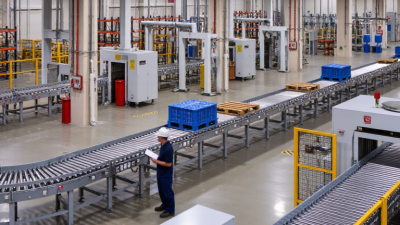
Picture a steel pallet leaving a machining station. The chain pulls it forward, while guides keep it aligned. The drive motor controls speed, and the sprocket transfers torque through the chain. This simple arrangement supports pallets, containers, automotive parts, and other rigid products. It can also connect workstations across long production lines.
Conveyor engineering specialist John W. Nally once observed, “A conveyor should move the product, not the problems.” That idea remains useful. Poor chain selection, weak guarding, or careless maintenance can create noise, downtime, and uneven movement. The design is not automatically efficient. It must match the product, load, speed, layout, and working environment.
This guide explains what chain conveyor systems are and how they work. It examines their main components, operating principles, advantages, limitations, and maintenance needs. You will also see why lubrication, alignment, tension, and load distribution matter. Small details matter here. A dry chain can run loudly. A misaligned sprocket can damage expensive equipment.
No single conveyor fits every facility. That assumption deserves scrutiny. The right system balances safety, durability, energy use, cleaning access, and future production changes. Practical experience often exposes weaknesses that specifications overlook. This introduction provides a clear foundation for evaluating chain conveyor technology with greater confidence.
What Is a Chain Conveyor System?
A chain conveyor system is a mechanical transport unit that moves products along a fixed route.
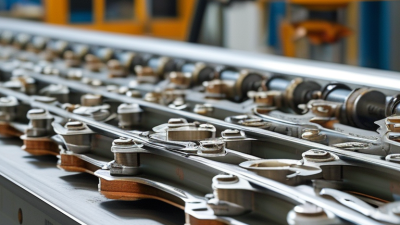
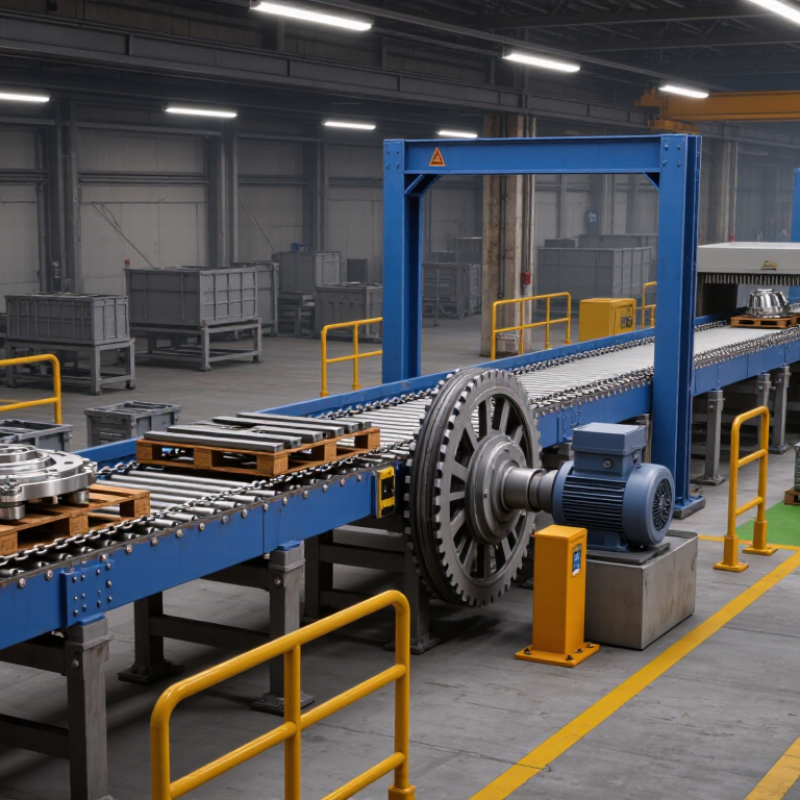
It uses one or more endless chains to carry, push, or support items. A motor turns the drive sprocket, which engages the chain links. The chain then travels around return sprockets and follows the conveyor frame.
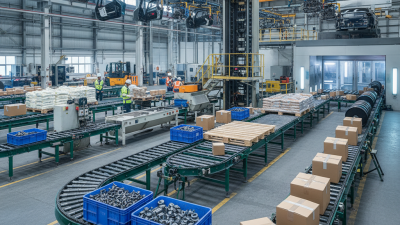
Flights, slats, rollers, or attachments can connect to the chain. These parts hold products in place during movement. Chain conveyors commonly handle pallets, containers, metal parts, and other heavy loads.
Heavy loads fit naturally. Not every product does.
In practical operation, the conveyor needs correct chain tension and accurate sprocket alignment.
Guide rails help prevent products from drifting or falling. Sensors can stop the system when an item reaches a transfer point.
Operators should inspect lubrication, chain wear, loose fasteners, and unusual noise.
A dry or stretched chain may increase friction and reduce positioning accuracy. Safety guards should cover accessible moving parts.
The design also depends on product weight, surface condition, speed, and conveyor length. A smooth box may travel well, while a soft package can deform or slide.
This detail is easy to overlook.
In my experience, choosing capacity alone creates problems; product behavior matters just as much.
Many systems run reliably, but only when maintenance records reflect actual working conditions.
What Are the Main Components of a Chain Conveyor?
A chain conveyor moves products by pulling a continuous chain around a fixed path. The chain may carry pallets, cartons, bins, or heavy metal parts. Its design suits loads that would challenge a belt conveyor, especially in hot, dusty, or oily work areas.
The chain is the working link between the drive and the load. Sprockets engage its pins and guide its movement. Flights, slats, or attachments connect to the chain and support each product. The frame holds the conveyor in position, while wear strips reduce friction along the chain’s return path. Small details matter here. Poor spacing can cause unstable loads.
A motor and gearbox provide controlled torque to the drive sprocket. A take-up device maintains chain tension as the chain stretches through use. Side guides help prevent cartons from drifting, while sensors can detect jams or missing products. Guards should cover moving sprockets and pinch points. This protects operators during inspection and cleaning.
In field maintenance, alignment often decides whether a system runs quietly. A conveyor may look correctly installed, yet uneven sprocket wear can reveal a hidden problem. Lubrication also requires judgment. Too little increases wear; too much attracts dust and residue. Regular checks should examine chain elongation, loose fasteners, guide condition, and motor temperature. A design that works on paper may still need adjustment after real products enter the line.
How Does a Chain Conveyor System Work Step by Step?
What Are Chain Conveyor Systems and How Do They Work?
A chain conveyor moves products with linked metal chains, sprockets, and a powered drive. The process begins when an electric motor turns the drive shaft. The shaft rotates the sprockets, which pull the chain around a continuous track.
Keep it steady. As the chain advances, attached slats, rollers, or carriers support each product. Guides keep boxes, pallets, or containers aligned during movement. At the loading point, workers or upstream equipment place items onto the conveyor surface. The chain then carries them through processing, inspection, cooling, or packing areas.
At the discharge point, the product leaves through a transfer plate, side guide, or automated mechanism. A return section brings the empty chain back beneath the working surface. Tensioners maintain proper chain tightness and reduce jumping or uneven movement. Sensors can stop the motor when a product blocks the line.
In daily operation, technicians check lubrication, sprocket wear, noise, and chain alignment. Small errors matter. A slightly misaligned sprocket can create vibration, surface damage, and unexpected downtime.
That assumption deserves review before installation. Operators should also verify load weight, speed, emergency stops, and guarding against the actual workplace conditions.
A practical system is not merely powerful; it must remain predictable during every shift.
What Types of Chain Conveyors Are Commonly Used?
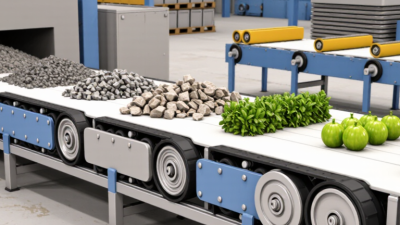
Chain conveyor systems move loads through linked chains driven by sprockets and motors. Their design suits heavy, hot, wet, or irregular products. Unlike belt conveyors, chains can tolerate sharper impacts and less predictable surfaces.
Several types appear across factories. Roller chain conveyors use small rollers for pallets, cartons, and containers. They provide controlled movement on assembly and packaging lines. Slat chain conveyors use connected plates, often stainless steel, to carry bottles, cans, and food trays. Their smooth surface supports careful transfers. Drag chain conveyors pull bulk materials through enclosed channels. They are common for chips, ash, grain, and other loose products. Overhead chain conveyors carry hanging parts above the floor, freeing valuable workspace. Bucket conveyors add suspended buckets for vertical lifting.
The choice depends on load weight, speed, cleaning needs, and transfer spacing. A 2024 MHI Annual Industry Report identified robotics as a planned investment for 46% of surveyed supply-chain professionals, showing stronger interest in automated material movement. Grand View Research also reported that the global conveyor systems market was valued at about 7.2 billion dollars in 2022 and is projected to expand through 2030. These figures cover more than chain equipment, but they indicate sustained demand for engineered conveying.
A neat classification can mislead. Real production lines mix conveyor types. Chain pitch, lubrication, noise, and operator access still require practical testing. Oversizing the system wastes energy. Undersizing creates stoppages.
Where Are Chain Conveyor Systems Used and What Are Their Benefits?
Chain conveyor systems move loads with linked metal chains driven by sprockets and a motor. Their rugged design suits pallets, crates, bins, and heavy components that belt conveyors may struggle to carry. A powered shaft turns the sprockets. The chains pull each load across fixed rails or wear strips, creating steady, controlled movement. Operators can adjust speed, spacing, and stopping points for different production needs.
Factories use chain conveyors between assembly stations, machining cells, packaging lines, and storage areas. Warehouses and distribution centers use them for pallet handling, while food processing facilities may choose washable designs with suitable materials. For example, a pallet can pause at a transfer point while a worker scans its label or checks its weight. This reduces manual lifting and makes floor traffic more predictable. Chain conveyors also handle heat, sharp edges, and uneven loads better than many light-duty systems. Not every load fits. Small cartons may need another conveyor type.
Their benefits depend on engineering details, not appearance alone. Correct chain selection, guarding, lubrication, and load calculations improve reliability and operator safety. Open designs simplify inspection, while enclosed sections protect moving parts from dust and accidental contact. Maintenance teams should check chain elongation, worn sprocket teeth, loose fasteners, and unusual noise. Noise matters. Poor alignment can increase wear quickly. In practice, a conveyor may perform well during testing but lose efficiency after inconsistent loading begins. Site trials, documented inspections, and realistic load tests often reveal problems before they affect daily production.