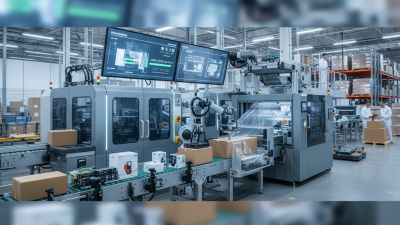
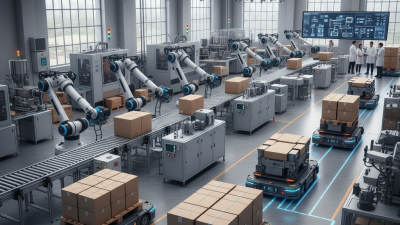
How to Implement Packaging Automation for Your Business?
In the rapidly evolving world of logistics and production, "packaging automation" has become a vital component for modern businesses. Expert in the field, Dr. Sarah Thompson, states, "Automating your packaging processes can lead to significant efficiency gains." This insight highlights the transformative power of integrating automation into packaging operations.
Implementing packaging automation can streamline workflows and reduce labor costs. However, many businesses struggle with the transition. The initial investment may appear daunting. Yet, the long-term benefits often outweigh these costs. Companies need to assess their current systems before making changes. It’s essential to ensure that automation aligns with their specific needs.
Moreover, not all packaging automation solutions are created equal. Every business must evaluate which technology suits them best. A one-size-fits-all approach rarely works. This requires thorough research and sometimes a trial-and-error process. By taking these steps, businesses can turn challenges into opportunities, ultimately enhancing their effectiveness in the market.
Understanding the Benefits of Packaging Automation for Businesses
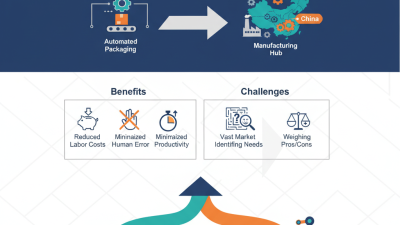
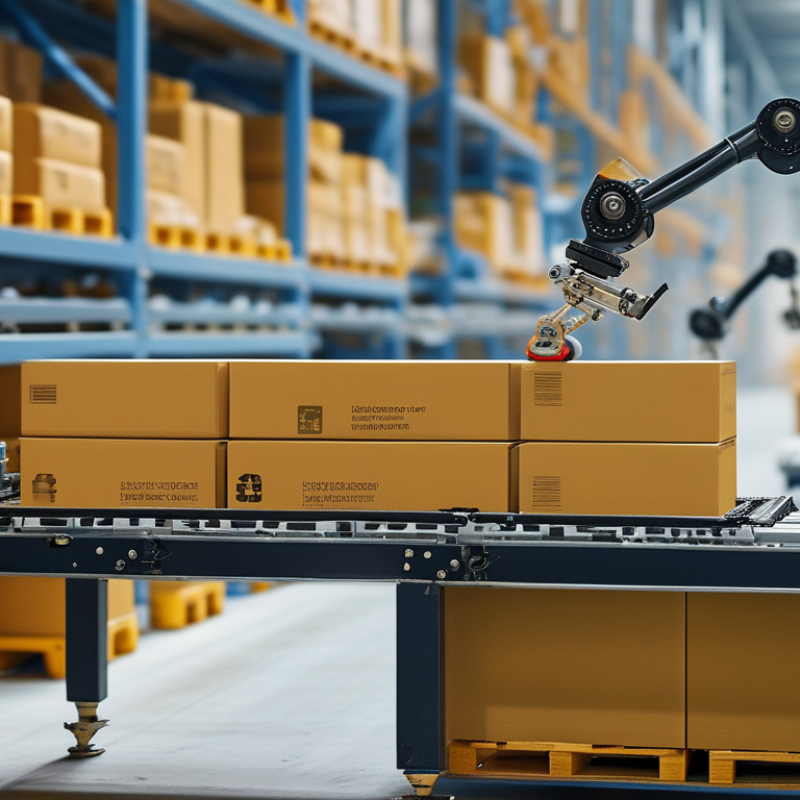
Packaging automation offers diverse advantages for businesses. It enhances efficiency by reducing manual labor. Employees can focus on strategic tasks instead of repetitive actions. Automation also minimizes errors in packaging. This leads to better accuracy and consistency in product presentation. As a result, customer satisfaction improves, fostering loyalty.
Implementing automation requires careful planning. First, assess your current packaging processes. Identify areas where efficiency can be improved. Consider the types of products you handle. This will help determine the suitable automation equipment.
Tips: Test automation tools in a small-scale operation first. Evaluate their effectiveness before full deployment. Train staff thoroughly on new systems. This ensures smooth transitions and reduces frustration. Regularly review performance metrics. Continual assessment allows for adjustments to optimize operations.
Assessing Your Current Packaging Processes and Identifying Needs
Assessing your current packaging processes is vital for effective automation. Many businesses are unaware of how much time and resources are lost in manual packaging. According to a recent industry report, companies that automate their packaging processes can increase efficiency by up to 25%. This increase often leads to significant cost reductions. Understanding your current workflow can reveal bottlenecks and allow you to target areas for improvement.
Identifying your specific needs is equally important. This involves analyzing packaging materials, employee roles, and operational processes. A study indicates that over 30% of packaging materials are wasted. This waste directly impacts your budget and sustainability efforts. By evaluating your operations, you can pinpoint wasteful practices and explore alternative solutions. For instance, considering innovative packaging machines can greatly enhance speed and reduce waste. However, taking the leap into automation requires careful consideration of your unique business context and associated challenges. Engaging in this assessment can pave the way for a smoother transition to packaging automation.
Choosing the Right Packaging Automation Technologies and Tools
Choosing the right packaging automation technologies and tools is crucial for any business aiming to improve efficiency. Start by assessing your needs. Consider the volume of products you handle and your specific packaging requirements. Understanding these factors can prevent overspending on unnecessary equipment.
Explore various technologies available in the market. Automated sealing machines, robotic arm packers, and labeling systems are some examples. Each comes with its own set of features and costs. Evaluate which technology aligns with your business goals. It’s essential to ensure compatibility with your existing operations.
Also, reflect on the potential challenges. New technology often requires training staff. Integration with existing systems may be complex. Choose a supplier who offers support and training. Balance innovation with practicality. Efficiency should not compromise the quality of your packaging process.
Implementing Packaging Automation: Steps for Successful Integration
Implementing packaging automation is crucial for modern businesses aiming to enhance efficiency and reduce costs. According to a 2022 study by the Association for Packaging and Processing Technologies, companies that have embraced automation report a 30% reduction in packaging costs. This substantial figure highlights the importance of integrating automated systems into packaging processes.
Begin by assessing your current packaging workflow. Identify bottlenecks and inefficiencies. A survey by Grand View Research shows that about 70% of packaging professionals notice improvement opportunities in their manual processes. Gathering input from team members can reveal insights. However, many businesses overlook this vital step, leading to suboptimal automation solutions.
Choose the right technology based on your findings. Factors include product types, packaging materials, and production volumes. It's essential to engage with reliable suppliers who can demonstrate proven expertise. Yet, some businesses rush this process, leading to mismatched technologies. Such misalignments often result in increased maintenance costs and operational downtime. Regularly evaluating your automation setup can help ensure it keeps pace with industry developments.
Training Staff for Effective Use of Packaging Automation Systems
Training staff to effectively use packaging automation systems is crucial for successful implementation. A report by the Automation Federation suggests that companies can increase productivity by up to 30% through proper training. However, many organizations overlook the importance of this step. Training should focus on operating machinery, understanding software, and troubleshooting common issues.
Hands-on practice is essential. Employees need to interact with the equipment to become proficient. A study by the International Society for Automation states that 40% of failures in automation arise from operator errors. This statistic highlights the need for comprehensive training programs. Regular workshops and refresher courses can help maintain knowledge and adaptability in a rapidly changing technological landscape.
Communication is another key element. Staff should feel comfortable asking questions and reporting challenges. Creating a culture of learning can enhance overall operational efficiency. Companies must recognize that investing in staff development translates to reduced downtime and higher quality outputs. Continuous feedback loops can help identify areas for improvement in training programs, ensuring they remain relevant and effective.