How to Choose Chain Conveyor Systems for Your Business?
Choosing chain conveyor systems is a practical engineering decision, not simply a purchasing exercise. The right system must match your product, production rhythm, available space, and maintenance capability. A heavy steel pallet needs different support from a carton, tote, or delicate component. Conveyor engineer David J. Bennett expresses this principle clearly: “A conveyor should fit the process, not force the process to fit the conveyor.”
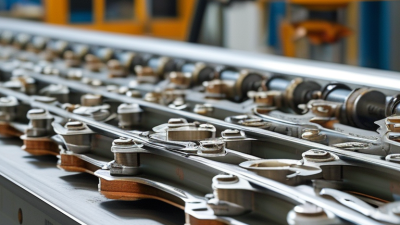
Begin by studying the load. Record its weight, dimensions, surface, temperature, and contact points. Then examine the route, including transfers, inclines, curves, and operator access. A short chain conveyor may look economical, but poor spacing can create jams beside a packing station. Small details matter. A noisy drive, exposed pinch point, or difficult lubrication point can reduce productivity over time. Safety guarding and accessible emergency stops should be considered during design, not added later.
The operating environment also deserves honest attention. Dust, moisture, heat, washdown routines, and corrosive materials influence chain type, frame construction, motor selection, and cleaning requirements. Energy use and spare-part availability affect the long-term cost. So does downtime. Sometimes, the cheapest quotation is not the cheapest solution.
There is room for reflection here. Many buyers focus on speed first. That can be a mistake. A reliable chain conveyor system may run more slowly while protecting products and stabilizing the entire line. Review real production data, consult qualified suppliers, and request maintenance details before approving the design. Good selection is measured by dependable performance after installation, not impressive specifications on paper.
Business Needs and Conveyor Application Requirements
Choosing a chain conveyor starts with the business process, not the equipment catalogue. Define the product weight, dimensions, hourly volume, route length, and required delivery rhythm. A 25-kilogram carton needs different chain strength and support spacing than a small tote. In field assessments, I also check loading habits, operator reach, cleaning routines, and floor conditions. These details often reveal hidden requirements.
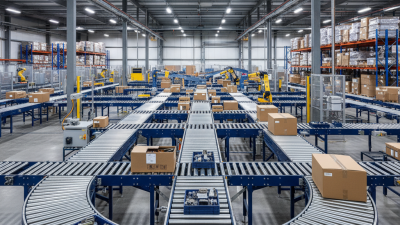
The MHI 2024 Annual Industry Report found that 55% of surveyed supply-chain professionals were using robotics and automation. This indicates rising investment, but automation cannot repair an unclear process. Ask whether the conveyor must transport, accumulate, merge, index, or buffer products. A food-processing line may require corrosion-resistant materials and frequent washdown. A parcel line may need impact resistance, variable speed, and controlled accumulation. Noise, heat, dust, and moisture also affect chain selection and maintenance intervals.
Capacity calculations should include peak demand, not only the daily average. Leave practical space for inspection and safe access. The U.S. Bureau of Labor Statistics reported 2.6 million nonfatal workplace injuries and illnesses in private industry during 2023, so guarding, emergency stops, and training deserve early attention. I have seen projects overestimate speed and underestimate maintenance access. That mistake is expensive. A conveyor that fits the layout may still fail the application. Recheck assumptions with actual product samples, trial runs, and measured cycle times before finalizing the system.
How to Choose Chain Conveyor Systems for Your Business?
Compare the main chain conveyor requirements across common applications. Higher values indicate a greater selection priority when defining conveyor specifications.
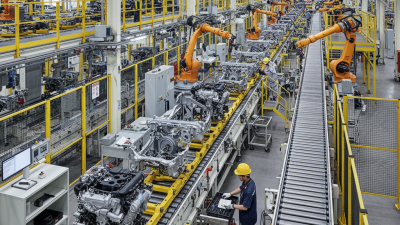
Pallet and automotive applications typically prioritize load capacity, while food processing places greater emphasis on sanitation. Parcel and packaging operations usually require high throughput and layout flexibility. Use these priorities as a starting point before confirming load, speed, operating hours, incline, and cleaning requirements.
Safety, Maintenance, and System Integration Considerations
Choosing a chain conveyor starts with the people working beside it, not only the product weight. In site reviews, I look for pinch points near transfers, sprockets, and return paths. Fixed guarding should block access while allowing inspection. Emergency stops must be reachable from normal walking positions. Operators also need clear isolation procedures before clearing jams. A quiet motor does not prove a safe system. Include load limits, speed controls, and floor conditions in the risk assessment. Small gaps often create large hazards.
Maintenance planning should match the conveyor’s dust, moisture, temperature, and duty cycle. Inspect chain tension, sprocket wear, bearings, and fasteners at defined intervals. Lubrication needs the correct method; excess lubricant can attract abrasive dust. Keep inspection records with dates, findings, and corrective actions. I have seen teams replace a noisy bearing while ignoring uneven loading. That repair lasted briefly. Maintenance staff should test guards and emergency stops, not simply inspect them visually. Leave room for tools and safe access around the frame. Access matters.
System integration deserves equal attention. Confirm conveyor speeds, sensor positions, controls, and upstream loading before installation. A transfer may work empty but jam when cartons arrive unevenly. Use signals for running, stopped, faulted, and safe-to-start states. Electrical and mechanical interfaces should be documented for future technicians. Include cleaning, inspection, and emergency access in the layout. Some projects underestimate software changes. Others overlook operator training. A practical factory trial can expose both issues before production pressure begins. The best design may still need revision after real shifts reveal awkward access or unexpected buildup.
Cost Evaluation, Supplier Selection, and Final Configuration
Choosing a chain conveyor system requires more than comparing catalogue prices. Cost evaluation should begin with the full operating picture. Estimate load weight, product dimensions, speed, operating hours, and cleaning needs. Include energy use, spare parts, labor, installation, and planned maintenance. A low purchase price can hide expensive downtime later. Our first estimate was wrong because we ignored frequent washdown requirements. That omission mattered.
Supplier selection needs more than a polished quotation. Ask for drawings, load calculations, test records, and references from similar applications. Confirm response times for replacement parts and technical support. A reliable supplier should explain limitations clearly. Ask for evidence. Review warranty terms, safety documentation, and commissioning procedures before signing. Vague answers often create practical problems after delivery.
Final configuration should fit the actual site, not an idealized layout. Specify chain material, frame finish, incline angle, transfer points, guards, sensors, and control interfaces. Consider product accumulation and access for cleaning. Leave enough space for technicians to remove a chain section safely. A short factory trial can reveal noise, product slipping, or awkward maintenance access. Still, trials may not reproduce every seasonal condition. Recheck the design with operators who will use it daily. Their comments can expose details missed by office-based planning.