


Choosing the right case packer is less about buying the fastest machine and more about matching equipment to your actual production conditions. Consider your package dimensions, case styles, hourly output, available floor space, and plans for future product changes. A compact, manual-loading system may suit a mixed-product line, while sustained high-volume production may justify automated case erection, loading, and sealing. The details matter.
The International Federation of Robotics reported 541,302 industrial robot installations worldwide in 2023, the second-highest annual total on record (World Robotics 2024). This figure covers industrial robots broadly; it is not a measure of case-packer sales or performance. Still, it reflects the wider move toward automation and makes careful equipment selection more relevant. A case packer should fit your line’s speed, upstream product flow, and downstream palletizing capacity—not just its advertised cycle rate.
Ask suppliers to demonstrate your real products and cases. Watch how the machine handles minor package variation, changeovers, and brief line interruptions. Check operator access, cleaning requirements, spare-parts availability, and the support response your facility can expect. Request clear figures for throughput and confirm how they were measured. A polished demonstration is useful, but it cannot reproduce every shift, product mix, or worn carton. That matters. And the lowest purchase price may not mean the lowest operating cost. Compare total cost, service needs, and flexibility using your own production data. Even then, forecasts can be wrong. A thoughtful selection balances proven capability with the changes your business may face.
Before comparing case packers, document what actually needs packing. List every product and case format, including the smallest and largest sizes, product weight, and fragility. Record current output during normal shifts and peak periods, not just the target rate on a production plan.
How many cases per minute must the machine sustain? How often do operators change SKUs, and how much floor space is available?
The International Federation of Robotics’ World Robotics 2024 report recorded 541,302 industrial robot installations worldwide in 2023. That figure covers many industries, not case packers alone, but it shows automation is an established production tool. Fit still matters more than trend.
Ask suppliers to test your actual products, cases, and line speeds, and request changeover and jam-recovery details. A machine rated for 20 cases per minute may not deliver that rate with awkward cartons or frequent stops.
Small details count. Note whether cases arrive pre-erected, how products are oriented, and whether workers must replenish magazines manually. A missed variable can make an impressive specification less useful.
I would also leave room for uncertainty: demand forecasts change, and a little unused capacity may be sensible, though too much can waste capital.
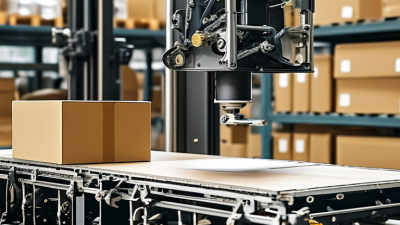
A case packer should match your product, carton, and required line speed. Robotic case packers use a programmed arm to place varied products into cases. They suit mixed formats, though setup and programming need careful attention. Pick-and-place machines use dedicated tooling for repeatable arrangements. They can run steadily, but frequent product changes may require adjustments.
Loading method matters as much as machine type. Top-load systems lower products into open cases, making them useful for fragile items or controlled stacking. Side-load systems push grouped products horizontally into cases, often fitting pouches, cartons, or multipacks. Wraparound systems form a case around the product group, which can reduce excess packaging. Check how each method handles your actual product dimensions. A small change in package shape can affect reliable loading.
Tips: Run a sample with real products and cases. Watch for scuffing, jams, and uneven layers. Ask operators to test routine changeovers, not just maximum speed. One detail is easy to miss: the fastest machine may not be the easiest to maintain. Compare access to cleaning points, change parts, and jam-clearing areas before deciding.
A case packer should match your actual production needs, not just a headline speed. Compare its rated output with your busiest shift, then check whether it can handle brief surges without frequent stops. Speed is not everything. A machine that runs quickly but jams on slightly uneven cartons may slow the whole line.
Flexibility matters when case sizes or pack patterns change. Ask how long changeovers take and whether operators need special tools. Check the footprint, including space for guards, access doors, and routine cleaning. Measure the product and packaging together: bottles with tapered shoulders, soft pouches, or slick cartons can behave differently under pressure. A floor plan can look generous on paper and still feel cramped beside a conveyor. I would question any estimate that excludes service access.
Tips: Bring real samples of your products and cases to a trial. Test the smallest and largest formats, not only the easiest one. Record changeover time, damaged packs, and operator adjustments. Measure twice. Then confirm the figures against your own shift conditions.
A case packer should fit the line around it, not just meet a cartons-per-minute target. Map the full handoff: conveyor height, carton sizes, product gaps, and downstream palletizing speed. Ask the integrator to show where sensors, guards, and reject lanes will sit on your actual floor plan. A machine that runs well alone can still jam at a tight transfer point.
Confirm that controls exchange clear signals with upstream and downstream equipment. Test start-stop sequences and fault recovery, not just steady production. Walk through a skewed carton, a guard opening, and a restart before acceptance. Small details matter. Check whether operators can clear common jams without reaching into hazardous areas. For maintenance, inspect access to belts, lubrication points, and wear parts. Ask for service intervals based on your shifts, plus a practical list of recommended spares.
Observe operators during changeovers, not only during a polished demonstration. Can they adjust carton guides without awkward reaching? Are screen prompts readable from the normal working position? Training should cover safe recovery, routine checks, and when to escalate a repeating fault. Test the machine with the people who will run it. A screen may name an alarm without explaining why a carton slipped; that gap can cost time, and it is easy to overlook during a short trial.
Compare key evaluation areas before selecting a case packer.
The chart counts practical checks in this selection checklist, not industry survey results. Assess integration with your line and case formats; verify guarding, interlocks, and applicable safety requirements; review access for cleaning, inspection, and routine maintenance; and consider training, changeovers, and day-to-day operator tasks.
How to Choose the Best Case Packer for Your Business?
A case packer’s purchase price is only one part of its cost. Include installation, operator training, change parts, routine maintenance, and expected downtime in your comparison. Ask suppliers for an itemized estimate, not just a machine quote. A unit that runs smoothly on a showroom sample may behave differently with your actual cartons, product sizes, and line speed. Test representative packaging before committing.
Tips: Request a trial using your own products and cases. Ask how long common changeovers take, which parts need regular replacement, and how quickly technical support responds. Check whether training includes troubleshooting, not just basic operation. Keep the answers in writing; verbal promises can get fuzzy.
Supplier support affects long-term value. Confirm spare-part availability, service hours, and remote diagnostic options, especially if your line runs multiple shifts. Compare these details against the cost of a stalled packing line. Also consider whether the machine can handle planned product changes without major modifications. Some businesses overestimate future volume, and pay for capacity they rarely use. That is easy to overlook. A practical choice balances current needs, realistic growth, and support you can actually reach when a fault appears.
| Decision Factor | Manual Case Packing | Semi-Automatic Case Packer | Automatic Case Packer |
|---|---|---|---|
| Typical operating approach | Operators arrange products and load cases by hand. | Operators perform some handling; the machine automates selected steps such as product grouping or case loading. | Product handling, grouping, and case loading are integrated into an automated process; upstream and downstream equipment may also be required. |
| Initial investment | Generally lowest, with limited equipment and integration requirements. | Generally moderate; cost depends on the automated functions, tooling, and line integration. | Generally highest; system scope may include conveyors, controls, guarding, installation, and integration. |
| Labor requirements | Higher direct labor demand and greater dependence on operator availability. | Lower than manual packing for the tasks automated, but operators are still needed for feeding, replenishment, or oversight. | Can reduce routine case-packing labor, but still requires trained staff for operation, changeovers, quality checks, and maintenance. |
| Throughput considerations | Output depends strongly on product handling, case format, staffing, and operator pace. | Output depends on the machine cycle and how consistently operators supply products and cases. | Potentially suited to higher-volume, continuous production; the usable line rate is limited by the slowest connected process and product-specific performance. |
| Product and case flexibility | Often straightforward to adapt to varied products and case formats, but manual work may increase with complexity. | Flexibility depends on adjustment range, change parts, and the number of formats the machine is designed to handle. | Format changes may require recipes, adjustments, or dedicated change parts. Confirm changeover steps and time using your actual products and cases. |
| Installation and integration | Usually limited to workstations and basic material flow planning. | Requires space, utilities, operator access, and coordination with adjacent equipment. | Requires detailed layout and line-integration planning, including controls, conveying, safety guarding, utilities, and upstream/downstream interfaces. |
| Maintenance and downtime exposure | Equipment maintenance may be limited, but output can be affected by staffing gaps and repetitive manual work. | Includes scheduled inspection and maintenance of the automated components; assess access to wear parts and fault support. | More integrated equipment can require planned preventive maintenance and qualified troubleshooting. Evaluate the effect of a stoppage on the full line. |
| Total cost of ownership | Consider wages, training, workstations, overtime, turnover, and output variability—not only the low equipment cost. | Include purchase price, installation, change parts, labor, utilities, maintenance, consumables, and downtime. | Include the complete installed system, integration, training, utilities, spare parts, maintenance, software or controls support, and the cost of production interruptions. |
| Supplier support to verify | Confirm operator training, workstation guidance, and availability of any supplied fixtures or packing aids. | Request commissioning, hands-on training, manuals, spare-parts availability, troubleshooting arrangements, and written response targets. | Request a documented installation and acceptance plan, operator and maintenance training, parts recommendations, remote or on-site support terms, and written response targets. |
| Best fit when | Volumes are low or variable, space is limited, and the cost of automation is not justified by current production needs. | There is a clear repetitive task to automate, while some manual flexibility remains valuable. | Production is sufficiently consistent and sustained to justify a larger investment, and the line can support automation and its maintenance needs. |
| Long-term value check | Compare ongoing labor and capacity needs with the cost of a future automation upgrade. | Check whether the selected machine can accommodate expected product, case, and volume changes. | Assess maintainability, format range, upgrade options, parts support, and whether projected labor and capacity benefits justify the installed cost. |
Comparison note: These are general equipment-selection considerations, not quoted prices or guaranteed performance figures. Actual costs, output, labor savings, and changeover requirements depend on the product, case design, line layout, operating schedule, and project scope. Request a proposal and acceptance criteria based on representative samples and your required production conditions.