Best Automation Systems for Streamlining Your Procurement Process?
In today’s fast-paced business environment, efficiency is crucial. Many organizations seek to optimize their procurement processes. Automation systems play a vital role in achieving this goal. They streamline workflows, reduce manual tasks, and enhance productivity.
These systems can minimize errors that often occur in traditional procurement methods. By digitizing purchasing, teams can access data in real-time. This leads to more informed decisions and quicker approvals. However, the implementation of automation systems is not without challenges. Organizations must choose the right tools that fit their needs. Training staff effectively is equally important for success.
The evolving technology landscape demands constant adaptation. Businesses must stay updated on the latest automation systems and best practices. Adopting these systems can lead to significant long-term benefits. Yet, it's crucial to reflect on the specific requirements of each organization. Balancing automation with human oversight may yield the best outcomes.

Understanding Automation Systems in Procurement
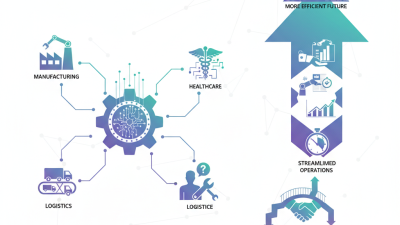
Automation systems in procurement have transformed how organizations manage their purchasing processes. These systems enable businesses to streamline operations, making them more efficient. By integrating various tasks—from supplier selection to order placement—these tools help companies save time and resources.
Understanding automation requires looking at specific features. Intelligent data analysis helps in forecasting needs and assessing supplier performance. Automated workflows reduce manual intervention, which lowers the risk of human error. However, companies must remain aware of challenges. Change management can be complex, and some team members may resist new technologies. Training and support are crucial for smooth adoption.
Furthermore, successful automation needs robust reporting tools. These tools help track key performance indicators. Organizations can identify bottlenecks and adjust their strategies accordingly. An effective system should also provide flexibility, adapting to evolving market demands. While the benefits are clear, the journey to implement automation is not without obstacles. Reflecting on these challenges can lead to more effective solutions.
Key Features of Effective Procurement Automation Tools
Effective procurement automation tools enhance efficiency in managing the procurement process. Key features include user-friendly interfaces and customizable workflows. A simple design helps users navigate the software easily. Custom workflows allow businesses to adapt their processes according to unique needs.
Integration capabilities are crucial. Seamless connections with existing systems ensure data accuracy and consistency. Automated data synchronization reduces manual input errors. Over time, this leads to significant cost savings. An effective tool should also offer real-time reporting. Access to analytics helps businesses make informed decisions quickly.
Consider security features as well. Procurement systems often contain sensitive data. Ensuring encryption and access controls is essential. Regular updates and maintenance are vital for system reliability. Reviewing these aspects can help identify gaps in a procurement strategy. Assessing user feedback regularly can also highlight areas for improvement. This engagement can foster a culture of continuous development within the procurement team.
Benefits of Streamlining Procurement Processes with Automation
Streamlining procurement processes through automation brings significant benefits. According to a study by Ardent Partners, organizations can reduce procurement costs by up to 20% through effective automation. These systems minimize manual data entry, which often leads to errors. Additionally, automation enhances transparency and allows for better tracking of procurement activities.
Effective automation streamlines workflow and speeds up the purchasing cycle. This efficiency leads to quicker approvals and faster supplier interactions. A report from Deloitte stated that 40% of procurement leaders noted improved supplier relationships due to automation. Less time is wasted on administrative tasks, enabling teams to focus on strategic sourcing and supplier negotiations.
To maximize automation benefits: start small by selecting a single process to automate, then gradually expand. Regularly evaluate and adjust the automated processes to meet changing needs. Training staff is vital; well-informed employees can leverage new systems more effectively. Remember, despite its advantages, automation should not replace critical human oversight. Balancing efficiency with human insight can yield the best results in procurement.
Top Automation Solutions for Procurement Management
Streamlining procurement processes is crucial for efficiency. Automation solutions can greatly enhance procurement management. These systems help reduce manual tasks and errors. They provide insights that drive better decision-making. A good procurement automation system simplifies workflows and increases visibility across the supply chain.
Consider these tips when evaluating automation solutions. Look for systems that offer customizable features. Each organization has unique procurement needs. Ensure the solution integrates seamlessly with existing software. This avoids disruption and enhances collaboration among teams. Test the software with real use cases before full implementation. This allows stakeholders to understand its capabilities.
Not every automation solution will suit your needs perfectly. Some may require extensive training, leading to delays. Regular feedback from users is essential. This can help in identifying shortcomings and areas for improvement. Keep an open dialogue with your team to ensure the system evolves with your procurement processes. The goal is to find a balance between automation and human oversight.
Implementation Strategies for Successful Procurement Automation
Implementing automation in procurement can drastically improve efficiency. According to a report by McKinsey, companies that adopt automation can reduce operational costs by up to 30%. However, this transition requires careful planning and execution. Organizations often overlook the importance of change management. Employees may resist new technologies, fearing job losses. Addressing these concerns early can ease the transition.
Training plays a crucial role in successful implementation. A study by the Institute for Supply Management highlights that 70% of procurement failures stem from inadequate training. Organizations need a structured approach to upskill their workforce. Engaging employees through workshops can foster a sense of ownership. This helps integrate automation smoothly into day-to-day operations.
Data integrity is another critical factor. Inaccurate data can lead to poor decision-making. A survey by the Procurement Leaders Network found that 63% of procurement professionals cite data quality as a major challenge. Companies must prioritize data governance and consistency. Regular audits and checks can ensure that automated systems run effectively and yield reliable results.
Best Automation Systems for Streamlining Your Procurement Process
This chart represents the efficiency ratings of various automation systems designed to streamline procurement processes. Ratings are based on user feedback and expert reviews.