How to Choose the Best Case Packer for Your Business?
Choosing the right case packer is crucial for businesses today. With increasing production demands, finding the best fit can be challenging. Industry expert John Davis, a veteran in packaging technology, emphasizes, “A case packer is not just a machine; it’s the backbone of your operational efficiency.” His perspective sheds light on the necessity of understanding your specific needs before making a decision.
When selecting a case packer, consider not only the type of products being packaged but also production speed and adaptability. For instance, a machine that effectively packs bottles might not be ideal for boxes. The nuances in design and functionality matter greatly. Every business has unique demands, and the wrong choice can lead to operational setbacks.
Experts often overlook the importance of regular maintenance and the learning curve involved with new machinery. Installing a case packer may seem straightforward, yet training staff is essential. Mistakes during operation can lead to inefficiencies. In the end, thoughtful evaluation of your requirements will guide you to the ideal case packer for your business.
Understanding Your Business Needs for Case Packing
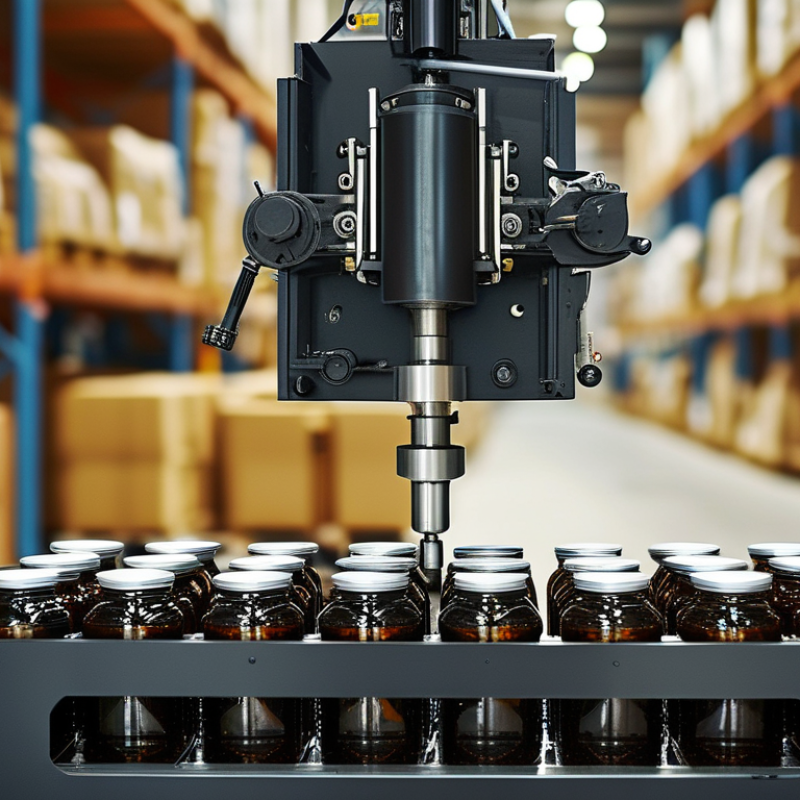
Choosing the right case packer starts with understanding your business needs. Each operation is unique. Assess the types of products you handle. Consider factors like dimensions and weight. This will guide you to the right specifications for your case packing machinery.
Evaluate your production volume. High-volume operations may benefit from faster machines. However, the initial investment could be steep. Are you ready for that? Think about flexibility as well. If your product line changes frequently, a versatile case packer can save you headaches later on.
Don't forget to look at maintenance and support. Some machines need more upkeep. This might lead to longer downtimes. Reflect on whether your team is ready to manage that. Balancing speed with reliability is crucial. Consider your budget carefully. Sometimes a cheaper option can lead to higher costs in the long run. Be mindful of such trade-offs as you make your choice.
Evaluating Different Types of Case Packers Available
When evaluating different types of case packers, consider the specific needs of your production line.
Semi-automatic case packers are versatile. They require manual intervention for loading but automate the sealing process. This type is ideal for smaller operations or those transitioning to automation. They offer flexibility but may slow down high-volume lines.
Automatic case packers provide efficiency and speed.
These machines handle the entire packing process with minimal human involvement. Their design is suitable for continuous production but may require significant upfront investment. Assess your production volume and budget to find the right match. But remember, not all automatic models are created equal. Research is critical here.
Some businesses might face challenges with maintenance and repair. Even the best machines require regular upkeep. Finding parts can be difficult.
It's essential to evaluate the service support offered by manufacturers. A reliable support system enhances the overall reliability of the case packer you choose. Don't overlook this aspect, as it can affect your operational efficiency over time.
Key Features to Consider When Choosing a Case Packer
When selecting a case packer for your business, several key features deserve careful consideration. The type of packaging you use can influence your choice. For instance, if you handle fragile items, look for a packer that offers protective packaging options. The machine’s speed is also crucial. A faster packer can boost your productivity, but it shouldn't compromise the quality of handling.
Look for machines that provide adjustable speeds to accommodate different product types.
Evaluating the ease of operation is vital. Complex machinery can lead to increased downtime. Choose equipment that ensures user-friendliness and easy adjustments. Maintenance requirements are another aspect to consider.
Regular upkeep is essential to ensure longevity. Some packers may require more frequent maintenance, which can slow down your processes.
In terms of flexibility, it’s important that the case packer can accommodate various package sizes. A versatile machine reduces the need for multiple devices. If your business experiences fluctuating demands, this adaptability becomes even more essential. Test the machine with your products before finalizing your decision. This allows you to gauge performance and suitability.
Reflect on your specific needs, as they will guide you to the best choice for your business.
Assessing the Cost-Effectiveness of Case Packing Solutions
When selecting a case packing solution, cost-effectiveness is essential. Understand the total cost involved, beyond just the initial investment. Consider costs related to maintenance, operation, and potential downtime. Choose a solution that minimizes these factors, ensuring reliability and longevity. A more expensive machine could reduce labor costs and increase efficiency.
Analyze your specific needs. What types of products will you be packing? Ensure the case packer aligns with your production line. Testing different models can offer insight into their performance. A machine that excels in one area may falter in another. Seek feedback from industry peers. Real-world experiences can shed light on what truly works.
Evaluate the scalability of your chosen solution. As demand fluctuates, your packing needs may change. Opt for machinery that can adapt without incurring excessive additional costs. It's crucial to remain flexible in a dynamic market. A less-than-ideal choice now could hinder future growth. Always balance price with performance and practicality.
How to Choose the Best Case Packer for Your Business? - Assessing the Cost-Effectiveness of Case Packing Solutions
| Feature |
Standard Model |
Automatic Model |
Robotic Model |
Estimated Cost ($) |
| Speed (cases/min) |
10 |
25 |
60 |
15,000 - 25,000 |
| Footprint (sq. ft.) |
50 |
75 |
100 |
|
| Ease of Operation |
Low |
Medium |
High |
|
| Maintenance Frequency (monthly) |
2 |
1 |
0.5 |
|
| Operator Cost ($/hour) |
20 |
25 |
30 |
|
| Total Operational Cost/year ($) |
48,000 |
52,000 |
36,000 |
|
Importance of Supplier Support and Maintenance in Case Packers
When selecting a case packer, the focus shouldn't solely be on the equipment itself. Supplier support and maintenance are crucial elements that can significantly impact your operations. A reliable support system ensures minimal downtime. If issues arise, having a responsive supplier can mean the difference between a quick fix and prolonged disruption.
Regular maintenance is often overlooked, yet it plays a vital role in the longevity of your machinery. An efficient case packer can only perform at its best with routine check-ups and timely servicing. Consider a supplier that offers comprehensive maintenance packages. This not only aids in preserving the equipment but also provides peace of mind. When machinery runs smoothly, your production flow remains steady.
It's important to evaluate the supplier's responsiveness and service quality. Delays in repairs can lead to missed deadlines and financial losses. Often, companies underestimate the impact of support. Reflect on past experiences with other suppliers. Did they meet your needs promptly? A well-rounded approach, where support and maintenance are prioritized, can lead to greater operational efficiency.