How to Choose the Right Case Packer for Your Business Needs?
Choosing the right case packer for your business can significantly impact productivity and efficiency. A case packer automates the packing process, ensuring consistency and speed. However, selecting the best one requires careful consideration of several factors.
Start by evaluating your product types. Different case packers are designed for various shapes and sizes. For example, fragile items may require gentle handling. The right case packer should accommodate your products without compromising quality. Reliability is key, as downtime can cost you money and affect customer satisfaction.
Also, consider your production volume. A high-capacity case packer might suit a large operation, but it could be an overinvestment for smaller businesses. Analyze your needs thoroughly. Reflect on your current challenges and envision potential growth. Sometimes, the best solution is not the most expensive model but one that aligns with your specific requirements. Make an informed decision by weighing all these factors carefully.
Understanding the Role of Case Packers in Packaging Operations
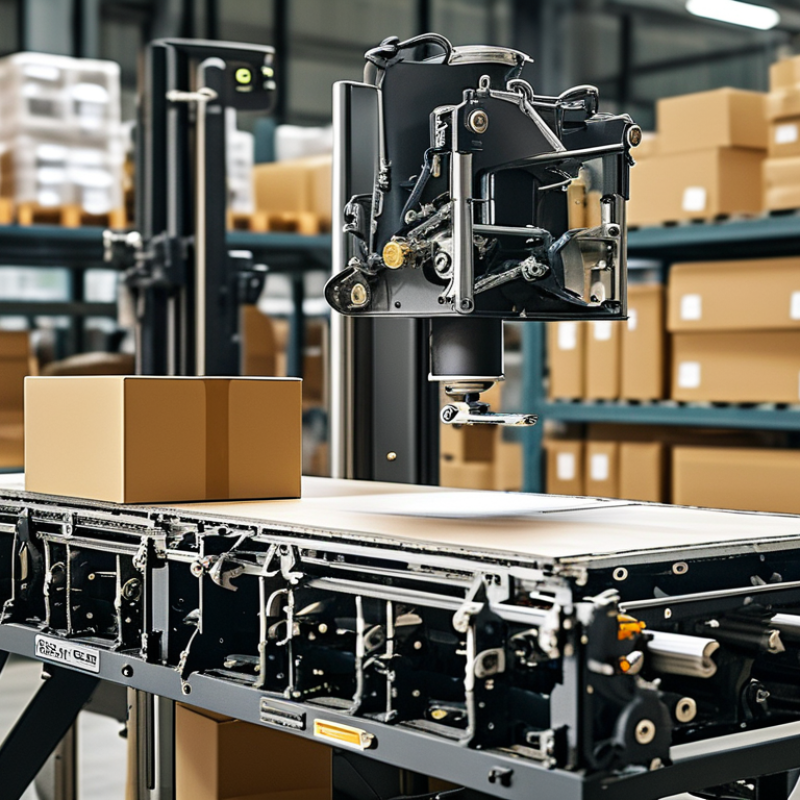
Case packers play a vital role in packaging operations. They automate the process of packing products into cases, improving efficiency. This machinery can handle various products, from beverages to household goods. Understanding their function is key to optimizing production lines.
When choosing a case packer, consider the specific needs of your operation. Each packing application may require different features. For instance, some products need gentle handling while others can endure faster speeds. Ensuring the right fit can reduce waste and improve overall productivity.
Many businesses overlook maintenance needs when selecting a case packer. Regular upkeep is essential for consistent performance. Ignoring this may lead to unexpected downtime. Investing in staff training is also crucial. Operators should understand the machine thoroughly to avoid mishaps and ensure efficient operation.
Case Packer Efficiency by Type
This bar chart illustrates the efficiency of different types of case packers measured in cases per hour. Fully-automatic case packers show the highest efficiency, while manual options are the least efficient, highlighting the importance of choosing the right case packer for operational needs.
Evaluating Your Production Volume and Case Packing Needs
Choosing the right case packer requires a clear understanding of your production volume and specific packing needs. Start by assessing the scale of your operations. How many products do you pack daily? This evaluation is crucial. For smaller operations, a semi-automatic machine might suffice. Larger businesses often need fully automated systems. Each option has its trade-offs and benefits.
Consider the types of products you handle. Are they fragile or sturdy? The design of the case packer should accommodate these characteristics. An inadequate choice could lead to product damage or inefficiencies. Materials used for packaging also matter. Ensure the case packer can handle your preferred packaging materials, whether cardboard, plastic, or others.
Reflect on your current and anticipated growth. Will your production volume increase? This foresight helps avoid frequent upgrades. A case packer should not only meet your needs today but also adapt to future demands. Equipment that scales with your business leads to savings in the long run.
Look into the maintenance requirements of the machines. Some may require frequent upkeep, while others are more reliable. Balancing efficiency and maintenance is key to smooth operations. Always consult with experts if you are uncertain about your choices. Their experience can guide you in making the right decision for your business.
Key Features to Look for in a Case Packer
When selecting a case packer, understanding key features is crucial. One report from a leading packaging association indicates that nearly 70% of manufacturers face productivity challenges due to inadequate packaging solutions. Therefore, focusing on efficiency is essential.
Speed is a significant factor. A case packer that operates at higher speeds can drastically improve throughput. Look for models that handle various packaging types seamlessly. Flexibility allows for quick changes between product lines. Additionally, energy efficiency can lead to long-term savings. Machines that consume less power are becoming more popular, especially as manufacturers aim to reduce operational costs.
Another vital aspect is the ease of maintenance. A reliable case packer should have accessible components. Regular maintenance ensures a smooth operation. It's worth noting that downtime can cost businesses thousands of dollars. Keeping parts easily reachable can minimize these costs.
Investing in a case packer that aligns with your specific needs is not always straightforward. It involves careful assessment of production volume and product types. Each business has unique requirements, so a one-size-fits-all approach may not work. Understanding these factors can significantly enhance production efficiency and profitability.
How to Choose the Right Case Packer for Your Business Needs? - Key Features to Look for in a Case Packer
| Feature |
Importance |
Recommended Type |
| Speed |
High - Determines throughput and efficiency |
High-speed Case Packers |
| Flexibility |
Medium - Allows for different case sizes and types |
Adjustable Case Packers |
| Ease of Operation |
High - Enhances workforce productivity |
User-friendly Interface |
| Durability |
High - Reduces long-term maintenance costs |
Robust Construction Models |
| Integration Capability |
Medium - Must align with existing systems |
Modular Case Packers |
Assessing the Types of Products for Case Packing Solutions
Choosing the right case packing solution starts with understanding the types of products your business handles. Different products demand distinct packing approaches. For instance, fragile items like glass bottles require sensitive handling and cushioning, while durable goods like canned foods can withstand more vigorous packing techniques. According to a recent industry report, 67% of businesses cite product type as a key factor in selecting packing solutions.
In addition to fragility, consider packaging size and shape. Irregularly shaped products can complicate packing processes and may require specialized machinery. A survey indicated that 45% of businesses reported challenges in adapting case packers for unique shapes. This reflects a need for flexibility in machinery that many companies often overlook.
Finally, volume plays a crucial role. High-volume products benefit from automated systems, while low-volume items may not justify a large investment. Recent data shows that automation can increase packing efficiency by up to 30%, but this requires a careful analysis of your production rates. Finding the right balance between cost, efficiency, and product protection can be challenging but essential for business success.
Budgeting for Your Case Packer Investment and Maintenance Costs
When budgeting for a case packer, consider initial and ongoing costs. Manufacturing a case packer typically ranges from
$30,000 to over $200,000, depending on the model's complexity and features. Many businesses
allocate around 10% of their total investment for maintenance. Regular upkeep can enhance efficiency and
prolong machine life.
Research suggests that downtime due to equipment failure can cost manufacturers over $22,000 per hour.
Investing in quality case packers minimizes these risks. However, lower-cost models may incur hidden costs. These could
arise from higher maintenance, inefficient operation, or frequent need for replacements.
Moreover, businesses often overlook training costs when adopting new equipment. A study by the Packaging Machinery
Manufacturers Institute indicates that improper use can lead to increased wear and tear. Ensuring your team is well-trained
is essential. Failure to recognize these factors can lead to unexpected financial strain. Balancing upfront investment
with long-term operational savings is key for sustainable growth.