


What Are the Top Types of Conveyor Systems in 2026?

Choosing among conveyor systems in 2026 is less about chasing the newest technology and more about matching equipment to the work. A carton gliding across a belt, a pallet turning on powered rollers, or a tote rising on an overhead conveyor each presents different demands. Throughput, product size, floor space, noise, maintenance access, and integration all matter. A system that looks efficient in a diagram may behave differently during a shift change or peak season.

Industry investment points toward more connected operations. MHI’s 2024 Annual Industry Report found that 55% of surveyed supply-chain professionals planned to increase investment in supply-chain innovation. That finding does not mean every facility needs automation. It does suggest why buyers are comparing conventional belt, roller, chain, and overhead conveyors with sortation and automated solutions. MHI CEO John Paxton has described supply chains as “the backbone of the global economy.” The phrase is broad, but it captures why a stalled conveyor can affect far more than one workstation.

This guide compares the leading conveyor types by function, strengths, and practical trade-offs. It considers where each system fits, from lightweight parcel handling to demanding production lines. It also looks at energy use, controls, and maintenance realities. Not every detail is settled. In particular, projected savings can depend heavily on site conditions and operator practices. That caveat deserves attention. The best choice is the one that moves the right items reliably, safely, and at a cost the facility can sustain.
What Are the Top Types of Conveyor Systems in 2026?

How Conveyor Systems Move Materials Across Workflows

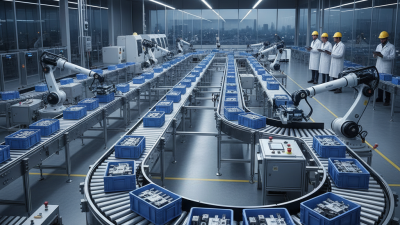
Across a production workflow, conveyors link receiving, processing, inspection, packing, and dispatch. They move materials between tasks without requiring workers to carry every box or component. That steady handoff can reduce handling delays and make work pacing easier to observe. Common options include belt, roller, modular-belt, overhead, and screw conveyors. Each suits different loads, routes, and operating conditions. Small parts may need side guides; heavy cartons often need firm, level rollers. Powders generally require enclosed transfer and careful dust control.

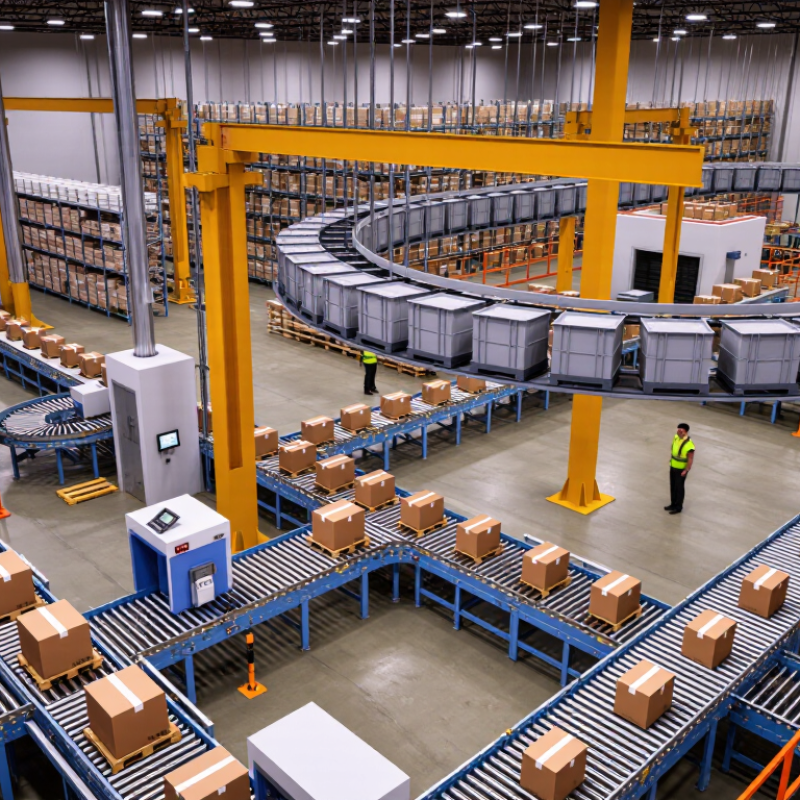
A well-planned system follows the material’s actual route. Sensors can pause a belt when a downstream station is full, while diverters send items toward different packing lines. Accumulation zones provide temporary space between processes. Elevation changes may call for inclined belts or vertical lifts. These details matter: a fast conveyor feeding a slower inspection station can create a queue rather than improve output.

Not a cure-all.

In 2026, choosing a conveyor means matching its design to the workflow, not just its advertised speed. Check load size, transfer points, cleaning needs, and access for routine maintenance. Walk the route with operators before finalizing a layout; they often spot awkward handoffs that drawings miss. Even then, the plan may need adjustment after real materials start moving. A minor spill or repeated jam is useful evidence, not something to ignore.
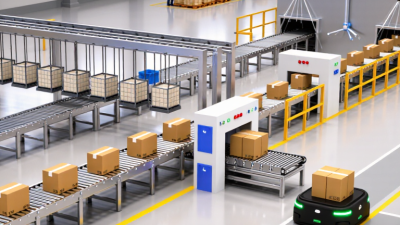
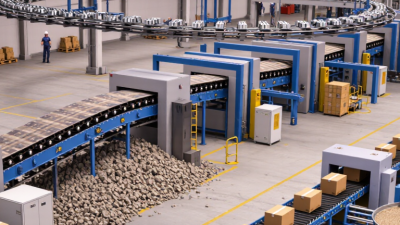
Which Conveyor Types Are Widely Used in 2026

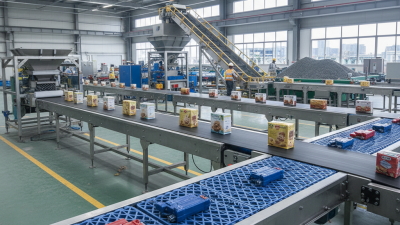
In 2026, belt conveyors remain common in warehouses, food plants, and distribution centers. A continuous belt can carry cartons, loose materials, or products with uneven shapes. Operators should check belt speed, load limits, and cleaning access. A belt that is difficult to clean can become a daily maintenance problem.

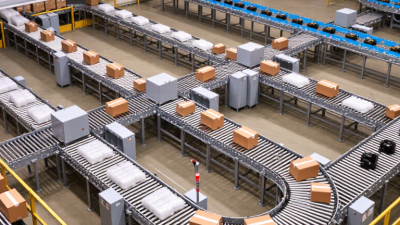
Roller conveyors move boxes along gravity-fed or powered lines. Gravity sections need a slight incline, while powered rollers help control spacing and flow. They work well with stable, flat-bottomed loads. A small gap matters. Poorly aligned cartons may snag between rollers, especially at transfers.

Modular plastic belt conveyors suit routes with curves or frequent washdowns, though their joints need regular inspection. Screw conveyors move powders and grains through enclosed troughs, while overhead systems carry items above floor-level work areas. Pneumatic conveyors use airflow to move dry bulk materials through pipes; bends and material properties affect performance. Selection depends on the product, route, cleaning needs, and maintenance skills available on site. A useful detail to verify is how workers will clear a jam safely, not just how quickly the line can run.

How Belt, Roller, and Chain Conveyors Differ

Belt, roller, and chain conveyors remain common choices in 2026 because they solve different material-handling problems. A belt conveyor carries items on a continuous surface, making it useful for small packages, loose materials, or products with uneven bottoms. It can move goods quietly around gentle curves. A dusty belt can slip, though, and cleaning it takes time.

Roller conveyors use rows of rotating cylinders. Gravity models need a slight slope; powered models use motors to move loads across level sections. They suit cartons and totes with flat, firm bases. Picture a warehouse box gliding over steel rollers. A soft bag may sag between them. Short gaps matter.

Chain conveyors move loads on linked chains or attachments, often handling heavy pallets, fixtures, or hot components. They offer steady movement in demanding settings, but can be louder and require regular lubrication and tension checks. Their ruggedness is not automatically an advantage: a light package line may not need that strength. A neat comparison can still mislead. Load shape, route, speed, cleaning needs, and maintenance access all affect the choice, and real operating conditions may differ from a plan on paper.

What Are the Top Types of Conveyor Systems in 2026? — How Belt, Roller, and Chain Conveyors Differ
Comparison Belt Conveyor Roller Conveyor Chain Conveyor
How it moves items A continuous belt travels over pulleys, carrying items on its surface. Items move over a series of rollers. Rollers may be powered by motors or driven by gravity on a sloped section. One or more driven chains move items directly or support attachments, slats, or fixtures.
Best suited for Loose materials and packaged goods, including items with flat or irregular bottoms. Rigid, stable items with a reasonably flat base, such as cartons, totes, trays, and pallets. Heavy, durable loads and products that need positive, controlled movement, such as pallets, fixtures, and certain production-line components.
Common configurations Flat, troughed, inclined, declined, and cleated designs. Gravity roller, powered roller, accumulation, and pallet-handling layouts. Single- or multiple-strand systems, slat conveyors, and overhead chain configurations.
Typical strengths Provides continuous support; handles small items well; can carry materials on inclines when designed with suitable belt surfaces or cleats. Works well for straight routes, transfers, and accumulation; powered zones can move loads independently or in controlled groups. Can handle substantial loads and demanding environments; provides dependable movement for heavy products and production fixtures.
Key limitations The belt can wear, stretch, or require tracking and cleaning. Small, sharp, or abrasive material may call for a purpose-designed belt. Small items or items with uneven bases may not travel reliably. Gravity sections require appropriate slope and load conditions. Chains and contact surfaces need lubrication or other maintenance as specified by the design; operation can be noisier than some alternatives.
Typical maintenance focus Inspect belt condition, tension, tracking, pulleys, and cleaning equipment. Inspect rollers, bearings, drive components, and accumulation controls where fitted. Inspect chain condition, tension, sprockets, guides, lubrication, and attachments.
Common applications Distribution, food processing, packaging, airport baggage handling, and bulk-material movement. Warehousing, order fulfillment, parcel handling, manufacturing, and pallet transfer. Automotive and general manufacturing, pallet handling, assembly lines, and heavy-duty material movement.
A good choice when… Products need continuous surface support, or the route includes suitably designed inclines or declines. Loads have a stable base and need straight-line transport, accumulation, or controlled transfers. Loads are heavy or need a positive drive through a demanding process or production environment.

Selection note: Capacity, speed, incline limits, materials, and maintenance requirements depend on the specific conveyor design, load, layout, and operating conditions. Confirm these factors with a qualified system designer.

How Specialized Conveyors Handle Distinct Materials

What Are the Top Types of Conveyor Systems in 2026?

How Specialized Conveyors Handle Distinct Materials

A conveyor’s design should match the material, not just the available floor space. Belt systems support cartons and sealed packages across gaps and gentle curves. Roller conveyors suit firm-bottomed boxes, but soft bags can sag between rollers. That small mismatch can cause jams.

Loose grain, pellets, and similar bulk materials often travel in enclosed screw conveyors. Their casing helps contain spills, while flight speed and trough design affect wear and flow. For vertical movement, bucket elevators lift material in repeated scoops; sticky products may cling and fall back. Dust matters.

Heavy pallets often need chain or slat conveyors, which handle concentrated loads better than many light-duty belts. Still, weight alone is not enough: impact, moisture, abrasion, and cleaning access also shape the choice. Review the material at its wettest, driest, and most awkward condition. No system is perfect. Some product loss or uneven flow may remain, so test representative samples before final sizing.

How to Select a Conveyor for a Specific Application

What Are the Top Types of Conveyor Systems in 2026?

Choosing a conveyor starts with the product, not the machine. Note its weight, dimensions, surface, and condition. A belt conveyor suits mixed items and gentle movement. Roller systems work well for firm packages with flat bottoms. Chain conveyors handle heavier loads, while screw conveyors move powders through enclosed spaces. These are useful starting points, not universal rules.

Next, map the route and working conditions. Measure turns, elevation changes, available floor space, and daily operating hours. A damp washdown area may call for different materials than a dry packing line. Check cleaning access, noise, and how workers load or remove items. A system can look efficient on paper and still create awkward handoffs. Estimates are imperfect; trial runs can reveal jams, product damage, or bottlenecks that drawings miss.

Tips: Test with real products, including the heaviest and most fragile examples. Confirm speed and capacity with the supplier’s technical data. Leave room for maintenance access. Revisit your assumptions after a trial; the first layout may need adjustment.

Top Conveyor Types in 2026: Typical Application Fit

Compare common conveyor types by the applications they are typically designed to handle. A value of 1 indicates a common fit; 0 means it is not a primary fit. Actual suitability depends on the conveyor design and operating conditions.