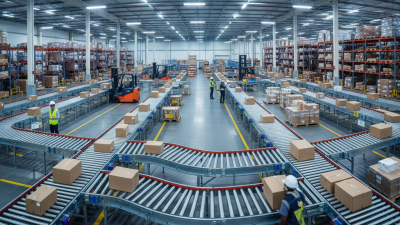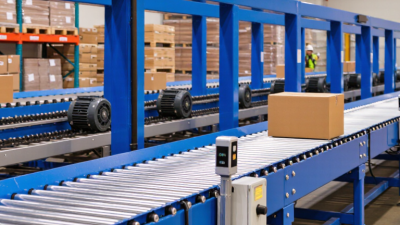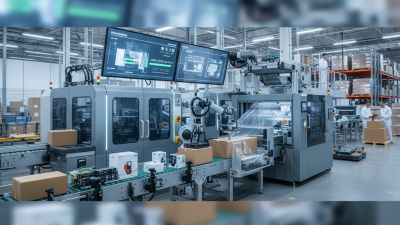



Choosing China’s best roller conveyor manufacturer is not simply a matter of finding the lowest quote. Buyers need equipment that suits their products, line speeds, and operating conditions. A carton line may need smooth, low-noise rollers; a pallet system needs stronger frames and dependable load capacity. Small details matter. Roller spacing, bearing quality, and frame finish can affect daily performance.
The MHI and Deloitte 2024 Annual Industry Report found that 55% of surveyed organizations planned to increase supply-chain technology investment. That figure reflects broader modernization, not roller conveyor demand alone. Still, it shows why buyers increasingly examine equipment reliability, integration, and supplier support alongside price. A report cannot inspect a weld or test a loaded conveyor, though.
For global buyers, evaluating a Chinese manufacturer means checking practical evidence: drawings matched to site dimensions, stated load limits, sample inspection records, and clear spare-parts arrangements. Ask how the supplier handles changes in product size or operating speed. Request references for comparable installations, then confirm what the quoted scope actually includes. These checks can reveal gaps early. Yet even a careful review has limits; factory claims should be verified against project requirements. This guide explores the capabilities, questions, and trade-offs that help buyers compare manufacturers with greater confidence.
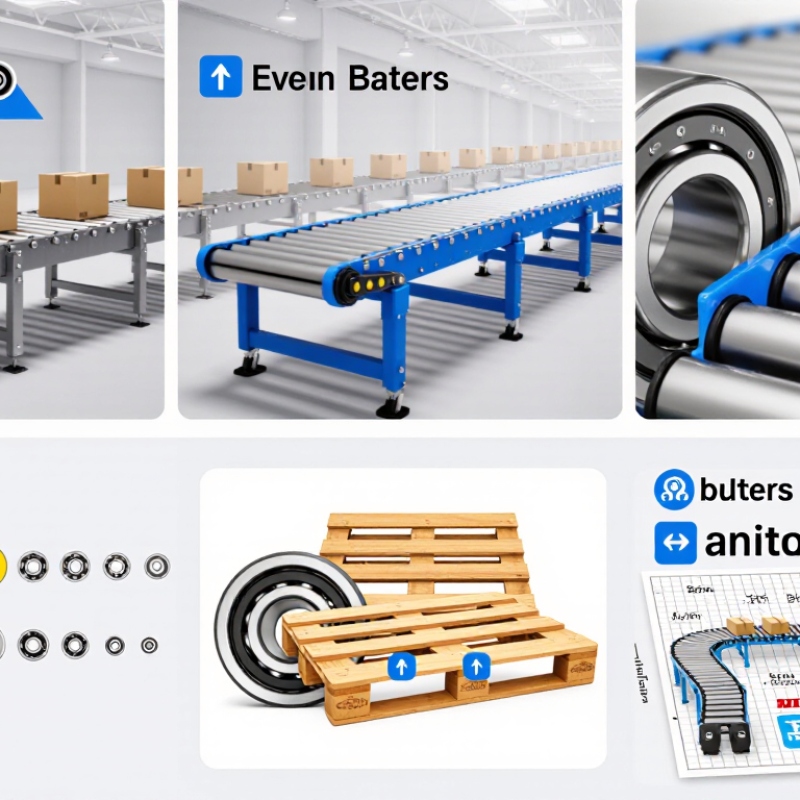
A roller conveyor manufacturer does more than supply rollers and frames. It turns a material-handling need into equipment that can move boxes, totes, or parts safely and consistently. The work often starts with practical questions: What is the heaviest load? How wide is each item? Will the conveyor sit in a dusty area or near washdown equipment?
From those details, engineers select roller diameter, spacing, frame strength, bearings, and drive type. A carton with a flexible base may need closer roller spacing than a rigid plastic tote. Conveyor height and speed matter, too, especially where workers transfer items by hand. Small choices add up.
A capable manufacturer checks dimensions, alignment, and operating performance before delivery. For powered systems, testing may include running the conveyor under a representative load and checking for unusual noise or uneven movement. Installation guidance and spare-parts information also help maintenance teams respond to wear. In practice, drawings rarely capture every site constraint. A support column or uneven floor can force a useful redesign. No layout is perfect on paper. The manufacturer’s role includes listening, documenting changes, and being clear about limits—not promising that one conveyor fits every operation.
Roller Conveyor Types for Industrial Use
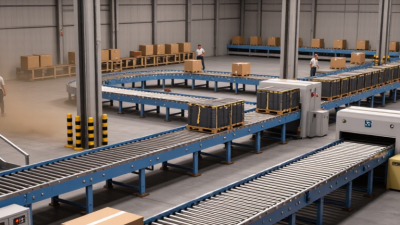
Roller conveyors serve different loads, speeds, and plant layouts. Gravity roller conveyors use inclined frames and hand-applied force. They suit cartons, totes, and short transfer zones. Powered roller conveyors use motors, belts, or chains for controlled movement. They perform better when loads vary or routes extend across several workstations.
Accumulation roller conveyors temporarily hold products without stopping the entire line. This feature protects fragile cartons during packing and inspection. Chain-driven roller conveyors handle pallets, steel containers, and other heavy loads. Flexible roller conveyors can expand, curve, and fold near loading areas. However, their mobility may reduce alignment accuracy on uneven floors.
Industry data supports continued investment in conveyor equipment. Grand View Research estimated the global conveyor system market at about 10.6 billion US dollars in 2023. Its report also projected growth through 2030. MHI’s 2024 Annual Industry Report identified robotics and automation as major supply-chain investment priorities. These figures do not make every roller conveyor suitable. Site measurements still matter.
I recommend checking load weight, roller pitch, transfer height, noise, and cleaning access. A carton should contact at least three rollers during movement. That rule is practical, but not universal. Dust, oil, and poor leveling can create unexpected stoppages. Testing one live section before full installation often reveals problems drawings miss.
A capable Chinese roller conveyor manufacturer begins with the material, not the frame. Engineers study carton weight, pallet dimensions, speed, and operating temperature. They also check whether workers will load products manually. Small details affect the entire design.
Roller diameter and spacing must support the smallest package without tipping. Heavier loads usually require stronger shafts, tighter spacing, and reinforced side frames. Powered systems need motor sizing based on load, incline, acceleration, and duty cycle. Gravity conveyors need accurate leveling and controlled slopes. Components are cut, drilled, welded, and finished according to approved drawings. Protective coatings help resist moisture, dust, and routine cleaning.
Manufacturing should include dimensional inspection and practical load testing. Technicians check frame alignment, roller rotation, noise, and emergency access. A conveyor can look precise but still run poorly when installed on an uneven floor. That is where experience matters. Site measurements sometimes reveal assumptions that drawings missed. Engineers may then revise roller pitch, guards, or support locations. Not every first design is perfect. Honest feedback improves the next revision. Reliable suppliers also provide installation guidance, maintenance instructions, and traceable quality records for global buyers.
Selecting China’s best roller conveyor manufacturer requires more than comparing prices. Global buyers should verify design competence, factory control, and after-sales capability. Grand View Research valued the global conveyor system market at about USD 7.73 billion in 2022. It also projected a 5.1% compound annual growth rate through 2030. This growth increases supplier choices, but not necessarily supplier quality.
Start with the application. Share product weight, carton dimensions, line speed, accumulation needs, and operating hours. Ask for roller diameter, shaft material, bearing specifications, and allowable load charts. Request drawings and a sample test under realistic conditions. A polished catalog is not proof. Check weld consistency, roller runout, guarding, noise, and emergency-stop integration. The MHI 2024 Annual Industry Report found that 55% of supply chain professionals planned to increase technology investment. That makes control-system compatibility increasingly important. Confirm communication protocols, spare-part availability, and remote troubleshooting before signing.
Audit the factory or use an independent inspection service. Review quality records, calibration reports, material certificates, and corrective-action history. ISO 9001 certification helps, but it cannot replace process evidence. I would also ask for references from facilities with similar loads and temperatures. One weakness is often overlooked: documentation may be translated poorly. Clarify every tolerance in writing. Delivery promises can change. Include inspection points, acceptance criteria, warranty limits, and packaging requirements in the contract. A cheaper conveyor may become expensive after installation. My own view is imperfect: technical scoring can still miss cultural and communication problems. Test both.
Selecting a roller conveyor manufacturer starts with the load, not the catalogue. Share the product’s weight, dimensions, base shape, and target throughput. A carton with a flat bottom behaves differently from a tote with narrow runners. Ask how roller diameter, spacing, and frame strength are matched to your goods. Small gaps matter.
Next, check the operating environment and system details. Dust, moisture, temperature changes, and frequent washdowns can affect bearings and finishes. Confirm whether the conveyor is gravity-fed or powered, and ask how speed and accumulation are controlled. Request drawings, rated-load data, and test procedures for the proposed configuration. Vague figures deserve follow-up.
Serviceability can matter as much as purchase price. Ask whether rollers, bearings, and drive parts can be replaced without dismantling a long section. A maintenance team should be able to reach routine adjustment points safely. Review spare-parts availability, installation guidance, and response times in writing. These promises vary, and a neat specification sheet does not prove real-world performance. If possible, inspect a comparable installation or run representative cartons across a sample section. It may add time, but assumptions about noise, tracking, or bottlenecks can be costly later.