10 Best Automation Engineering Companies for Global Buyers
Automation engineering is becoming a practical priority for manufacturers facing labor shortages, product complexity, and pressure to deliver consistently. The scale is significant. The International Federation of Robotics’ World Robotics 2024 report recorded 541,302 industrial robots installed worldwide in 2023, with 4,281,585 operating in factories. These figures show why buyers need more than equipment. They need systems that can be integrated, maintained, and adapted over time.
“ The new World Robotics data shows an all-time high in the number of industrial robots working in factories around the world,” said Marina Bill, then president of the International Federation of Robotics. Her observation captures the opportunity—and the challenge. A robot cell may look straightforward on a factory floor, but dependable results also rely on controls, safety engineering, software, commissioning, and local service. One weak link matters.
This guide to the 10 best automation engineering companies for global buyers focuses on capabilities that are useful across borders: project delivery, technical range, industry experience, support coverage, and the ability to work with existing systems. Company claims and regional availability can change, so buyers should verify project references, service terms, and integration requirements directly. No shortlist fits every plant. The right partner depends on the process, the site, and the people who will run the system after installation.
What Automation Engineering Companies Do Across Industrial Systems
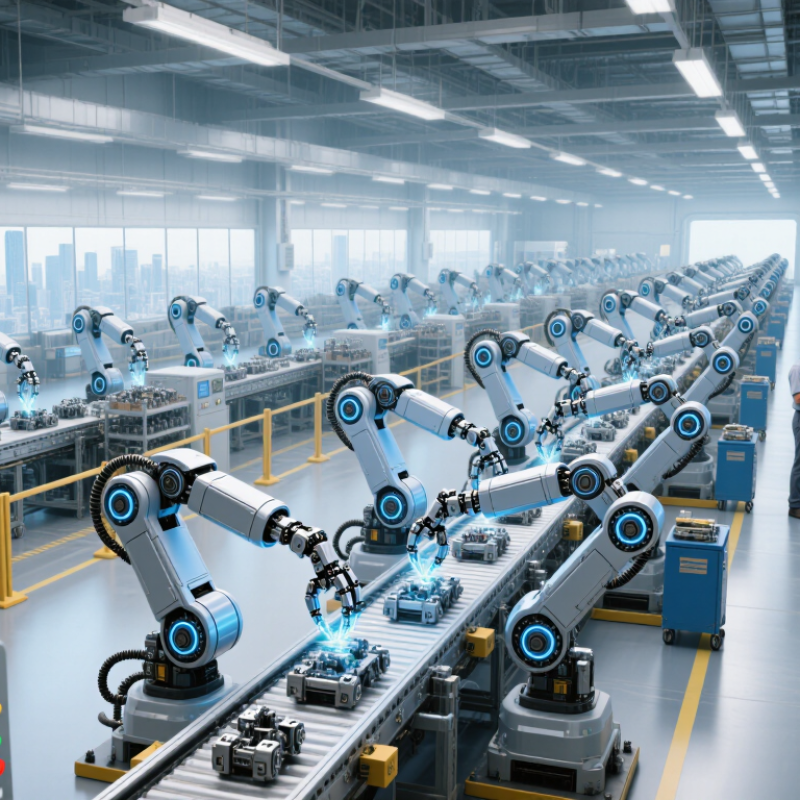
Automation engineering companies connect machines, software, and people into coordinated industrial systems. Their work can start with mapping a production line: sensors check part position, controllers manage equipment, and supervisory software tracks alarms and output. Engineers also design safety interlocks, test network connections, and document settings so maintenance teams can troubleshoot changes.
The International Federation of Robotics reported 541,302 industrial robots installed worldwide in 2023, with 4.28 million operating robots in factories. That scale makes integration—not just buying equipment—a central engineering task. Teams must confirm that robot cells, conveyors, inspection cameras, and older machines exchange reliable signals. Still, integration is rarely tidy. A legacy controller may use a different protocol, and one poorly placed sensor can create repeated stoppages.
Automation work also reaches energy monitoring, quality control, and production planning. The International Energy Agency estimates that industry accounts for roughly 37% of global energy use, making efficient operation a practical design concern. Engineers can track idle time, motor loads, and compressed-air leaks, then test whether control changes reduce waste without slowing production. The numbers need context: energy use varies by process, and savings on paper may not appear on a real shift. Good projects therefore include commissioning, operator training, and follow-up measurements—not just a successful startup.
How to Evaluate the 10 Companies by Expertise, Reach, and Support
Comparing ten automation engineering companies requires more than scanning project photos. Ask what each team has delivered in your process, not merely which technologies it lists. A packaging line, a wastewater plant, and an electronics cell demand different controls expertise. Request a redacted case study showing cycle-time targets, commissioning duration, and issues that remained. Details matter.
To judge global reach, map offices, installation partners, and parts coverage against your factory locations. A broad footprint helps only when technicians can arrive, communicate clearly, and access the right spares. Ask for response-time commitments in writing, including evenings and weekends when production requires them. Check whether remote diagnostics are secure and local staff can troubleshoot without waiting for headquarters. Reach is not support.
Compare support plans by named roles, escalation steps, training hours, software updates, and availability after handover. Speak with two recent customers, ideally at sites with similar equipment and operating shifts. Score each company against the same evidence, and keep technical fit separate from sales confidence. A simple 1-to-5 matrix can expose gaps, but it cannot predict every startup problem. Ask vendors to price assumptions, exclusions, and travel separately; otherwise, low bids may hide costly uncertainty. The strongest choice may be a smaller specialist if its response plan is credible and documented.
Profiles of 10 Automation Engineering Companies for Global Buyers
Global buyers can compare automation engineering firms by the problems they solve, not just the equipment they install. One controls integrator designs PLC and SCADA systems for mixed production lines, documenting alarms and operator screens. A robotics specialist plans guarded cells and tests reach, cycle time, and handoffs. A process automation firm focuses on pumps, valves, and instrument calibration. Details matter.
A machine-vision provider may tune cameras for changing light and product surfaces; buyers should ask for sample inspection results. A warehouse systems integrator connects conveyors, scanners, and inventory software, but commissioning can expose overlooked traffic bottlenecks. A motion-control engineering group helps coordinate servo axes and reduce vibration. A digital engineering consultancy builds dashboards from machine data. Useful, but only if the data is accurate.
A control-panel manufacturer offers wiring diagrams and documented testing, while a retrofit specialist adapts older equipment to newer controls. A turnkey engineering firm may coordinate design, installation, and training across sites. Its scope can be broad, sometimes too broad. Ask who handles local service, spare parts, cybersecurity practices, and operator instruction. Request examples with similar production conditions, clear acceptance criteria, and a realistic support plan. One awkward point: supplier proposals often look precise before site conditions are fully understood.
Market Context: IFR Counts 4.28 Million Industrial Robots in Operation in 2023
The International Federation of Robotics counted 4.28 million industrial robots in operation worldwide in 2023. That figure signals how deeply automation has entered production. Robots handle repeatable welding, palletizing, machine tending, and inspection tasks across many industries. Yet a global total can hide sharp differences between sectors, regions, and factory sizes. Useful, but incomplete.
Buyers should treat this number as context, not proof that every facility needs a robot. A small plant may gain more from reliable sensors, clear workflow data, and one carefully placed robotic cell. Large sites often face harder integration questions: safety zoning, line balance, maintenance coverage, and operator training. These details affect whether equipment keeps producing after commissioning. On a factory visit, ask to see cycle-time records, changeover procedures, and fault recovery—not just a polished demonstration.
Also ask who supports the system when a shift ends or a spare part is delayed. Robot counts measure deployment, not value delivered. Reliable decisions still require local process data, realistic uptime assumptions, and honest discussion of integration limits. A supplier’s experience with similar production conditions matters more than impressive totals alone.
How Buyers Can Compare Vendors by Sector, Integration, and Lifecycle Needs
Global buyers should compare automation engineering companies by the work they understand, not by a broad promise of “end-to-end” service. A food-processing line, a water facility, and an electronics plant have different operating pressures. Ask for relevant project examples, the engineers’ roles, and measurable results such as reduced changeover time or fewer unplanned stoppages. Specifics matter.
Integration deserves a close look. Can the proposed controls connect with existing equipment, sensors, and plant software? Request a simple system diagram and a clear list of interface assumptions. Then test the handoff: who verifies signals, documents settings, and trains operators? A polished proposal can still leave gaps. That happens.
Lifecycle support is equally important, especially when sites span time zones or rely on older equipment. Compare response hours, spare-parts planning, remote support limits, and procedures for software updates. Ask what happens after commissioning, not just during installation. Review sample maintenance records or a service plan, with sensitive details removed. Also check how the team handles scope changes and knowledge transfer. Buyers may overvalue a low initial price; the cost of a poorly supported system can emerge years later. No vendor can eliminate every operational risk, so compare evidence, assumptions, and support commitments—not confidence alone.