How to Optimize Conveyor Belt Automation for Efficiency?
In today's fast-paced industrial landscape, the role of conveyor belt automation is crucial. Efficient automation can significantly reduce operational costs. It enhances productivity and minimizes human error. Companies must recognize the importance of optimizing these systems.
However, many organizations overlook the details of conveyor belt automation. They may implement a system without understanding its full potential. A poorly optimized system can lead to bottlenecks. This undermines efficiency and productivity, ultimately affecting the bottom line. Observing real-time data and maintenance practices is vital.
To truly harness the power of conveyor belt automation, businesses should engage with experts. Insightful analysis of workflows can reveal opportunities for improvement. Continued adaptation and reevaluation of existing automation strategies can yield significant results. Each small change might bring about big impacts in efficiency. Keeping an eye on these details is essential. Embracing innovation while reflecting on shortcomings ensures ongoing success.
Understanding Conveyor Belt Automation Systems and Their Components
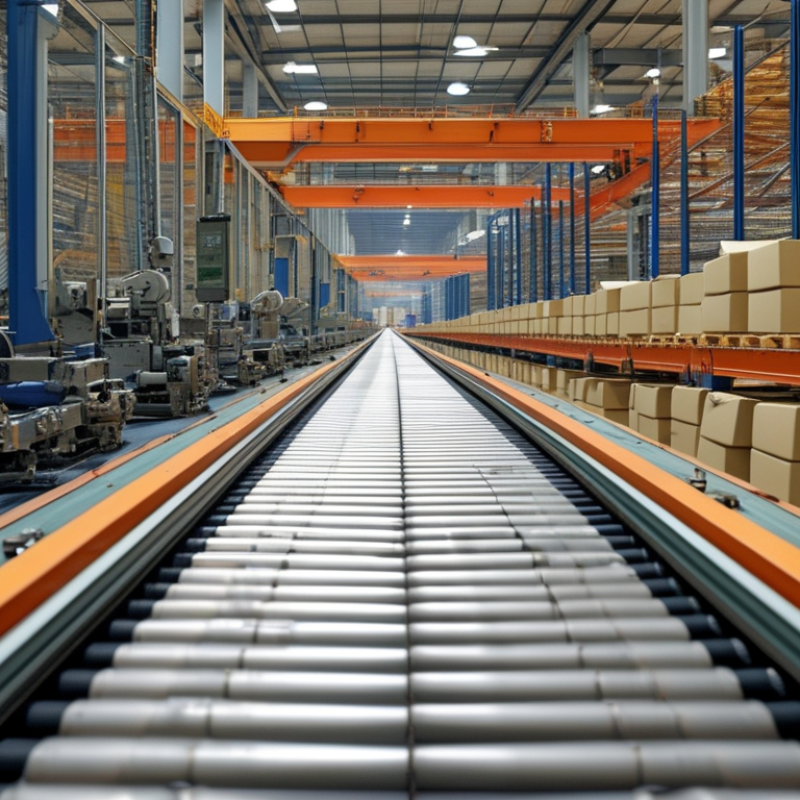
Conveyor belt automation systems play a crucial role in modern manufacturing and logistics. These systems consist of various components, each designed to enhance efficiency. At the core are the belts themselves, which transport materials seamlessly. The selection of belt material significantly affects durability and speed. Different environments may require unique choices.
For instance, wet conditions may demand a rubber-coated belt for better grip.
Motors and drives are essential pieces as well. They dictate the speed and control of the belt. Choosing the right motor power can prevent issues. Overpowered motors lead to wasted energy, while underpowered ones cause slowdowns. Sensors are another crucial component. These devices monitor material flow, ensuring precision and reducing waste. However, misalignment or incorrect installation can lead to failures. Regular maintenance is necessary to address these concerns.
Automation systems often include integration with software for monitoring and analytics. This allows operators to track performance metrics, identifying bottlenecks. Analyzing data can lead to insights that drive improvements. However, reliance on data without context may result in misinterpretations. Understanding human errors and machine limitations is key. Keeping a balance between technology and human oversight promotes optimal efficiency.
Assessing Current Conveyor Belt Efficiency and Identifying Bottlenecks
Assessing current conveyor belt efficiency is essential for any operation relying on automated processes. Start by analyzing the entire system. Look at the speed, load capacity, and maintenance schedules. Sometimes, belts run too slowly, or loads are unevenly distributed. Monitoring these factors can reveal inefficiencies. For example, a belt running at half-speed can drastically extend transit times, affecting overall productivity.
Identifying bottlenecks involves thorough observations. Are certain areas consistently overloaded? Do employees spend extra time waiting for loads? These delays can indicate underlying issues, such as poor alignment or interruptions in the workflow. Regularly reviewing performance data can shed light on these problems. However, it's also crucial to involve team members in this process. Their insights can uncover flaws that data alone might miss. Addressing these small but significant issues can lead to improved efficiency. This ongoing evaluation ensures that conveyor systems remain effective and reliable.
How to Optimize Conveyor Belt Automation for Efficiency?
| Aspect |
Current Status |
Identified Bottleneck |
Recommended Action |
Expected Improvement |
| Speed |
80 m/min |
Frequent stops |
Increase motor capacity |
10% increase |
| Maintenance |
Every 500 hours |
Overdue components |
Implement predictive maintenance |
Reduce downtime by 15% |
| Load Capacity |
1000 kg |
Frequent jams |
Upgrade conveyor design |
20% increase |
| Energy Consumption |
500 kWh/week |
High energy costs |
Install energy-efficient motors |
15% reduction |
| System Integration |
Manual data entry |
Data inconsistencies |
Implement automated data logging |
Accuracy improvement by 25% |
Implementing Smart Sensors and Automation Technology Enhancements
Implementing smart sensors in conveyor belt automation can significantly enhance operational efficiency. According to a recent industry report, nearly 30% of logistics costs stem from inefficient processes. Smart sensors can monitor real-time data. They can detect issues like jams or deviations. This proactive approach minimizes downtime and improves throughput.
Automation technology also plays a vital role. The integration of AI and machine learning can optimize routing and sorting processes. A study showed that automation could boost productivity by 20%-30%. However, implementing these technologies poses challenges. Initial costs and integration with existing systems require careful planning. Not every company is ready for this transition.
Training staff to work alongside automated systems is crucial. Human oversight remains essential, especially in troubleshooting. An estimated 15% of automation projects fall short due to inadequate training. Balancing technology with workforce readiness can yield the best results for conveyor efficiency.
Developing a Maintenance Schedule for Optimal Conveyor Performance
A well-structured maintenance schedule is crucial for optimal conveyor performance. Regular inspections can identify wear and tear early, preventing costly breakdowns. Create a checklist for daily, weekly, and monthly inspections. This should include checking belts for fraying, adjusting tension, and lubricating moving parts.
Scheduling maintenance during off-peak hours minimizes disruption. However, it's not always easy to predict when a conveyor might fail. Some companies overlook minor issues, thinking they can last longer. This can lead to unexpected downtime and significant losses. Documenting maintenance activities can also help in analyzing patterns.
Training staff on proper maintenance protocols is essential. They should understand what to look for and how to respond. A lack of knowledge can lead to oversights. Regular training sessions can keep everyone up-to-date. Balancing routine maintenance with production demands is a challenge. Nonetheless, a proactive approach reduces the likelihood of failures and boosts overall efficiency.
Conveyor Belt Performance Metrics
This chart illustrates the downtime and maintenance hours of a conveyor belt system over a six-month period. Optimizing maintenance schedules can significantly reduce downtime, contributing to improved efficiency.
Training Staff on Best Practices for Conveyor Belt Operation and Safety
Effective training of staff is vital in optimizing conveyor belt automation for efficiency. Staff must understand the intricacies of conveyor systems. They should learn not just how to operate them, but also the safety protocols. A well-trained employee can detect issues early. This proactive approach prevents costly downtimes.
Interactive training sessions can enhance understanding. Simulations allow staff to practice real-life scenarios. Observing best practices during these sessions reinforces learning. Make use of varied training methods. Visual aids, hands-on demonstrations, and group discussions can cater to different learning styles.
Encouraging open communication is important. Employees should feel comfortable reporting issues or suggesting improvements. Regular feedback sessions can help identify training gaps. Mistakes happen; focus on reflective learning. Continuous improvement is essential for both safety and efficiency. By prioritizing staff training, organizations can maximize conveyor belt effectiveness and foster a culture of safety.