Why Use Carbonless Waybill for Global Shipping?
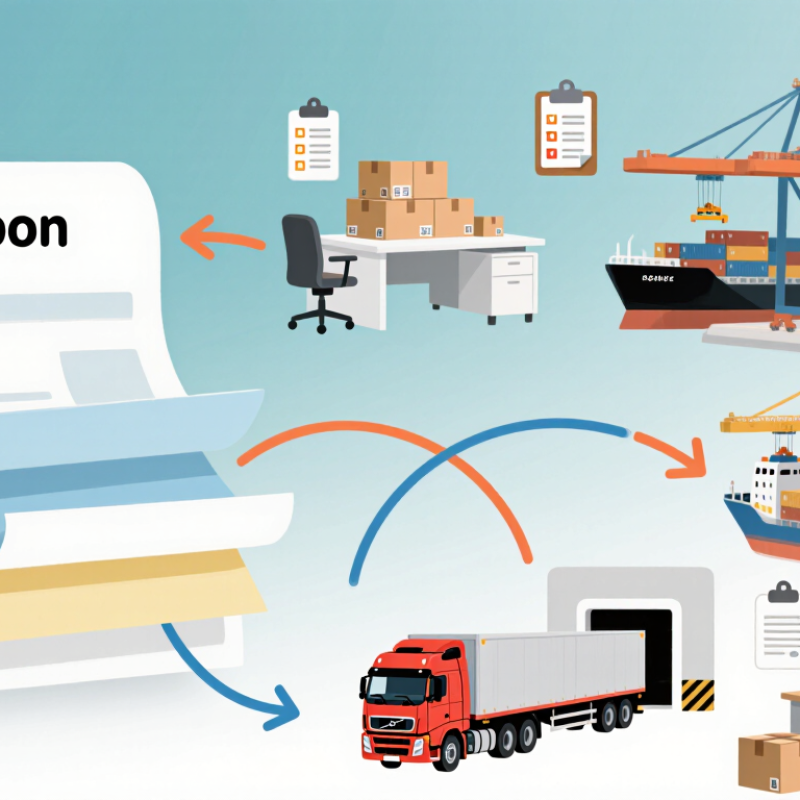
Global shipping still depends on accurate, readable documentation. A single waybill can travel from a warehouse desk to a truck cabin, freight terminal, and consignee’s receiving office. Carbonless Waybill forms support this chain without messy carbon paper. They create multiple legible copies through pressure-sensitive layers, helping carriers, brokers, and customers share identical shipment details.
The need is measurable. The World Bank’s Logistics Performance Index 2023 shows that tracking, tracing, and timely delivery remain major performance factors. UNCTAD’s Review of Maritime Transport 2023 also highlights the complexity of global trade documentation and port operations. Better paperwork can reduce preventable delays, although it cannot solve every logistics problem. That point is often overlooked.
Supply-chain strategist John Gattorna has said, “The future of supply chains is about being demand-driven, not supply-driven.” His observation supports a practical question: can documentation respond quickly to real cargo movements? A Carbonless Waybill offers a simple answer for operations that still require physical records, signatures, and hand-to-hand verification. It is useful at a loading dock where digital access may be limited. It also helps preserve consistent information across several parties.
Still, carbonless forms are not automatically sustainable. They consume paper and require controlled disposal. Companies should compare paper reduction, scanning accuracy, archival needs, and electronic alternatives before choosing them. The strongest approach may combine Carbonless Waybill copies with digital tracking, rather than treating one format as universally superior.
What Is a Carbonless Waybill in Global Shipping?
What Is a Carbonless Waybill in Global Shipping?
A carbonless waybill is a multi-part shipping document that creates readable copies without carbon paper. It uses pressure-sensitive sheets coated with tiny capsules and a reactive layer. When a clerk writes on the top page, pressure breaks the capsules. The image transfers to the sheets beneath. Simple, but useful. In global shipping, one set can serve the sender, carrier, warehouse, and receiver. Each party can retain matching shipment details.
Typical fields include shipper and consignee details, package count, weight, dimensions, handling instructions, and tracking references. The document may travel with cartons or remain with transport records, depending on the carrier’s process. At a busy loading dock, the driver can sign the top copy while receiving staff keep another copy. No printer is required at that moment. That matters when power, network access, or office space is limited. In my experience, clear handwriting and firm pressure prevent many disputes. Still, carbonless forms are not flawless. Light pressure can leave faint fields, while moisture or rough storage can damage the sheets.
For international shipments, staff should compare every copy before dispatch. Names, addresses, quantities, and package marks must match the approved shipping data. A carbonless waybill supports recordkeeping, but it does not replace customs declarations or other required documents. Its acceptance can vary by route and carrier. That detail is easy to overlook. A practical review also checks page order, duplicate readability, signatures, and secure document storage.
A carbonless waybill uses pressure-sensitive coating to create multiple readable copies during one writing action. The number of sheets in a set determines how many parties can receive a copy, such as the shipper, carrier, consignee, customs broker, or warehouse.
How Does a Carbonless Waybill Work?
A carbonless waybill records shipment details without a loose carbon sheet. Its paper contains pressure-sensitive microcapsules. When a pen presses the top page, capsules release ink onto the sheet below. The same address, package count, and handling notes appear on several copies.
The process is simple. The sender writes on the original form. Pressure transfers the image through each carbonless layer. One copy may stay with the shipper, while others travel with the cargo and delivery records. This reduces loose paperwork during handovers. It also creates a readable trail when digital systems are unavailable. Small details matter here. A faint postcode or missing package count can delay verification.
UNCTAD’s Review of Maritime Transport 2023 reports that more than 80% of global merchandise trade moves by sea. That scale makes consistent shipping records essential. The World Bank’s Logistics Performance Index 2023 used 4,090 assessments from logistics professionals across 139 countries. Its findings emphasize tracking, documentation, and timely delivery. A carbonless waybill supports these tasks, but it is not flawless. Humidity can affect printing, and heavy pressure may mark the next copy. Handwriting can still be unclear. Staff should check every page before dispatch, especially when several packages share one route.
Which Shipping Documents Can It Replace?
In warehouse and cross-border dispatch work, a carbonless waybill can replace several paper forms used for one shipment. Its pressure-sensitive layers create readable copies without a printer or wet ink. The top sheet records shipping instructions. Other copies go to the carrier, warehouse, and receiver. This reduces repeated handwriting at busy loading docks. It also helps keep carton counts, weights, and delivery addresses consistent.
A carbonless waybill can replace an internal dispatch note, transport instruction, delivery note, and cargo handover receipt. It may also serve as a proof-of-delivery copy when the receiver signs the final sheet. Duplicate or triplicate waybill sets can therefore replace separate copies made for each department. One form. Several users. The layout should include shipment numbers, package details, sender information, receiver information, signatures, and delivery time.
It cannot automatically replace every shipping document. Customs declarations, commercial invoices, packing lists, certificates of origin, permits, and insurance records may require separate formats or electronic submissions. A waybill is not a universal legal substitute. On a wet dock, carbonless sheets can also become difficult to read. Poor pressure from a ballpoint pen leaves missing details. Staff should test the paper, copy sequence, and required fields before changing established procedures. That small check prevents a simple form from creating a larger documentation problem.
What Are Its Benefits for International Logistics?
Why Use Carbonless Waybill for Global Shipping?
In international logistics, a carbonless waybill keeps shipment details consistent across several handling points. Its pressure-sensitive sheets create clear copies without separate carbon paper. One copy can stay with the shipper. Another follows the cargo. A third supports receiving records. This simple structure reduces repeated writing during busy warehouse transfers. It also helps drivers, freight handlers, and receivers compare the same information. Clear descriptions, quantities, weights, and delivery notes can prevent avoidable misunderstandings.
The benefits become clearer during cross-border handoffs. Staff can check package counts quickly, even when shipments move between different teams. Legible copies also support more reliable filing and document retrieval. That matters when a delivery needs investigation days later. Carbonless forms are usually lightweight and easy to store. They require no printer at the loading area. Still, they are not perfect. Rushed handwriting can remain unclear, and damaged sheets may weaken the record. Digital systems may also offer better visibility for complex shipments.
Tips: Use firm, even pressure when writing. Check every copy before the cargo leaves. Keep key fields consistent with commercial and packing documents. Train new staff with a real sample shipment. A small writing mistake can travel internationally. Cross-check addresses, package numbers, and contact details at each handoff. Also, store completed copies away from moisture. This practical habit protects the information that later teams depend on.
How Should Businesses Use Carbonless Waybills Effectively?
Carbonless waybills help shipping teams create several readable records without photocopying. Each written line transfers onto the sheets below. This keeps sender, carrier, and receiver information aligned. In daily operations, clear handwriting still matters. A smudged postal code can delay a delivery. Businesses should choose the correct number of copies for their workflow. One copy may travel with the goods, while others support warehouse control and delivery confirmation.
Tips: Train staff to press firmly, but avoid tearing the top sheet. Check the shipment number, package count, weight, and destination before dispatch. Use block letters for names and addresses. Mark corrections according to the carrier’s procedure. Keep completed copies in a dry, organized file. Digital scans add useful backup. They should not replace required physical records unless the responsible carrier accepts them.
Use the waybill at every handoff. The warehouse clerk can compare it with the packing list. The driver can verify package quantity before departure. The receiver can inspect visible damage and record it immediately. Signatures should include a date and, when practical, the receiver’s name. I have seen teams rely on memory after a rushed loading period. That approach creates avoidable disputes. Carbonless forms are simple, but consistency is not automatic. Review a sample form each week and revise unclear fields.