






Why Choose Solar Energy Light Poles for Global Projects?
Across highways, parks, ports, and remote communities, dependable lighting remains essential after sunset. A solar energy light pole combines photovoltaic panels, batteries, LED fixtures, and control systems in one independent unit. It can illuminate a rural access road without trenching long power cables. It can also reduce dependence on unstable grid connections.
Real project experience shows that success depends on more than panel size. Engineers must study sunlight levels, seasonal weather, soil conditions, wind exposure, and local maintenance capacity. A pole installed in a dry desert may need dust-resistant components and frequent panel cleaning. A coastal installation may require stronger corrosion protection. Battery performance also changes with temperature, usage patterns, and age.
The technology offers clear practical value. Installation can be faster where excavation is difficult. Operating emissions may be lower during use. Lighting schedules and motion sensors can help conserve stored energy. However, solar lighting is not magic. Long cloudy periods, vandalism risks, weak batteries, or poor foundation design can reduce reliability. That reality deserves honest planning.
Professional suppliers should provide tested components, transparent performance data, warranty terms, and service guidance. Project owners should compare the full lifecycle cost, not only the purchase price. They should also verify regional electrical, construction, and safety requirements before deployment. A carefully designed solar energy light pole can support safer public spaces and resilient infrastructure. Its strongest advantage appears when engineering judgment matches local conditions.
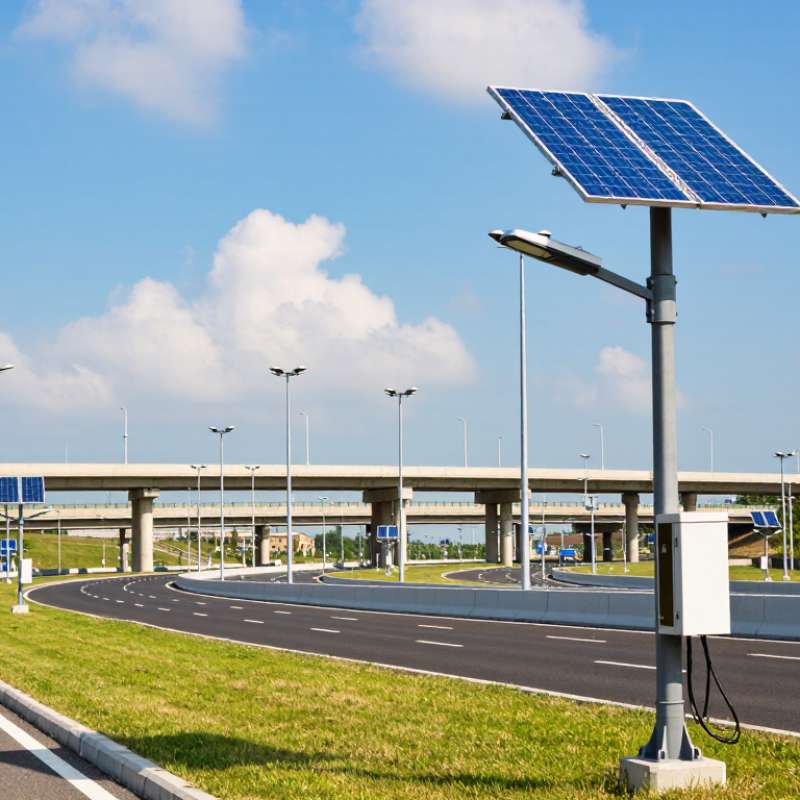
Solar energy light poles are outdoor lighting systems powered by sunlight rather than a conventional electrical grid. Each unit usually combines a photovoltaic panel, rechargeable battery, LED luminaire, controller, pole, and mounting hardware. In practical projects, the pole is more than a support. It must withstand wind, rain, heat, dust, and repeated maintenance visits.
The photovoltaic panel converts daylight into electricity. The controller regulates charging and switches the lamp on at night, often through a timer or light sensor. The battery stores energy for dark hours and cloudy periods. Lithium-based batteries can offer useful cycle life, while other chemistries may suit tighter budgets or colder sites. LED fixtures provide focused illumination with relatively low energy demand. Correct sizing matters more than impressive specifications. A small panel may fail during long overcast weeks.
Site assessment should examine solar exposure, latitude, shading, soil conditions, road use, and local weather records. Field experience often shows that a clear installation area matters as much as the lamp itself. Engineers should calculate nighttime load, autonomy days, battery temperature effects, and foundation requirements. A prototype installation can reveal glare, uneven spacing, or cleaning difficulties before wider deployment. Real projects are rarely perfect. Dust accumulates. Sensors drift. Maintenance plans therefore need inspection access, replacement procedures, and honest performance allowances.

Solar energy light poles work as self-contained lighting systems, making them practical for roads, parks, campuses, and remote sites. During daylight, photovoltaic panels convert sunlight into direct-current electricity. A charge controller regulates this energy and protects the battery from overcharging. After sunset, a light sensor activates the LED fixture automatically. Stored power then supports illumination through the night.
The battery is the system’s reserve. Its capacity must match local sunlight, operating hours, and seasonal weather. In field projects, cloudy days often reveal weak planning. A pole may perform well in summer but dim early during a long winter night. Battery aging also reduces available energy over time. Therefore, engineers should review solar exposure, panel tilt, drainage, wind loads, and maintenance access before installation. A perfect design is rarely perfect in the field.
Tips: Keep panels clear of dust, leaves, and nearby shadows. Check battery performance before the rainy season. Choose smart controls when traffic patterns change, but avoid unnecessary complexity. Leave space for safe servicing. Small details matter. Inspections can reveal loose connections, water entry, or damaged cables before they reduce lighting reliability.
Solar energy light poles support infrastructure projects where grid access is limited, unreliable, or expensive to extend. They generate electricity beside the roadway, walkway, parking area, or public facility. This reduces trenching, cable use, and dependence on distant substations. In remote regions, that difference can shorten installation schedules significantly.
Their value also appears during operation. Efficient lighting, battery storage, and programmable controls can provide illumination through long nights. Sensors may reduce output when streets are empty, then increase brightness when movement is detected. This helps manage energy use. It also supports safer public spaces around transport hubs, schools, and community roads.
However, solar systems are not maintenance-free. A shaded site, dusty panel, or undersized battery can weaken performance. Local weather data matters, including cloudy seasons, wind exposure, heat, and rainfall. Project teams should inspect pole foundations, battery enclosures, and panel angles before approval. Salt air near coastlines may require stronger corrosion protection. In cold areas, battery chemistry and charging behavior need careful review.
Global projects also need practical supply planning. Replacement parts should be available locally, and technicians need clear service procedures. Lighting levels must match local engineering requirements and public safety expectations. A low purchase price can become costly when access roads are difficult and spare parts take months to arrive. The best design is rarely the most complex one. It is the system that performs reliably under actual local conditions.
Why Choose Solar Energy Light Poles for Global Projects?
Design and Installation Considerations Across Regions
Solar energy light poles can support roads, parks, campuses, and remote facilities without extensive grid construction. Their value becomes clearer when local conditions guide the design. A site survey should record sunlight hours, wind speed, soil strength, drainage, and nearby shading. In high-latitude regions, shorter winter days require larger panels or higher battery capacity. Tropical locations demand corrosion-resistant hardware and careful protection from heavy rain. Small errors matter.
Installation changes with soil and weather. On sandy coasts, deeper foundations and stronger anchoring may resist shifting ground and salt exposure. In frozen areas, foundations must account for frost movement and seasonal thawing. Monsoon regions need raised electrical compartments, sealed cable entries, and reliable drainage. A practical team also checks transport routes before selecting pole height and assembly methods. In project reviews, I have seen attractive designs fail because maintenance vehicles could not reach the site. The drawing looked complete.
Reliability also depends on battery temperature, lighting schedules, and inspection access. Enclosures should limit heat buildup in desert climates and protect batteries from freezing conditions. Remote projects benefit from modular components and clear replacement procedures. However, remote monitoring cannot replace physical inspections after storms. Engineers should confirm local electrical requirements, foundation standards, and light pollution limits before installation. One uncomfortable lesson remains: brighter is not always better. Excessive illumination can waste stored energy and disturb nearby homes or wildlife.
Solar resource varies significantly by location. The chart shows representative long-term annual global horizontal irradiation values, which help determine photovoltaic panel size, battery capacity, pole spacing, and seasonal autonomy requirements.
Values are indicative annual averages in kWh/m² for representative locations. Final design should use site-specific solar data, shading analysis, local wind conditions, foundation requirements, and regional installation standards.
Why Choose Solar Energy Light Poles for Global Projects?
Solar energy light poles are not maintenance-free. They need planned inspections, especially after storms, dusty seasons, or heavy snowfall. Technicians should clean photovoltaic panels, tighten fasteners, and check cable seals. Battery performance also requires attention. A weak battery may keep lights working briefly, then fail before dawn. In warm regions, heat can shorten battery life. In cold regions, available capacity may fall. These details are easy to overlook.
Applications include rural roads, pedestrian paths, parks, campuses, parking areas, and emergency access routes. They work well where grid extension is expensive or unreliable. However, project suitability depends on more than sunlight. Engineers should assess daily solar radiation, shading, required lighting levels, soil conditions, wind exposure, and expected traffic. A narrow path may need different optics than a wide road. Local weather data is more useful than optimistic assumptions.
A practical design should include several days of energy reserve. The exact number depends on climate, safety needs, and operating hours. Maintenance teams also need safe access to batteries and control units. Remote monitoring can reveal low voltage or abnormal charging, but it cannot replace physical inspections. One common mistake is choosing a small panel to reduce initial cost. It may increase service visits later. Good planning remains site-specific, and some locations may still suit grid-connected lighting better.

