






Biogas can look like a ready-made energy source, but raw gas rarely arrives in a condition buyers can use directly. Its methane content, moisture, and contaminant levels vary with feedstock and operating conditions. A gas sample may seem acceptable on paper, yet cause trouble once it reaches a burner, engine, or upgrading unit.
Bio Gas Purification helps buyers manage these differences. Depending on the application, treatment may reduce hydrogen sulfide, water vapor, siloxanes, or carbon dioxide. The right process can protect equipment, support steady operation, and bring gas quality closer to the buyer’s specification. It can also affect energy yield, maintenance needs, and the cost of handling spent media or wastewater. Details matter.
Buyers should compare measured inlet conditions with the required outlet quality, rather than relying on broad claims such as “high purity.” Ask how performance is verified, how often media needs replacement, and what happens when gas composition changes. A simple sample is useful, but it does not tell the whole story. Seasonal variation can be easy to overlook.
Purification is not automatically a single, fixed package. A system suited to a small boiler may not fit a vehicle-fuel project or a grid-injection application. Buyers benefit from reviewing process data, operating limits, service access, and total lifecycle costs with qualified suppliers. Some assumptions will still need checking. That is normal. Clear specifications and realistic performance evidence help turn a promising gas supply into a dependable purchase decision.
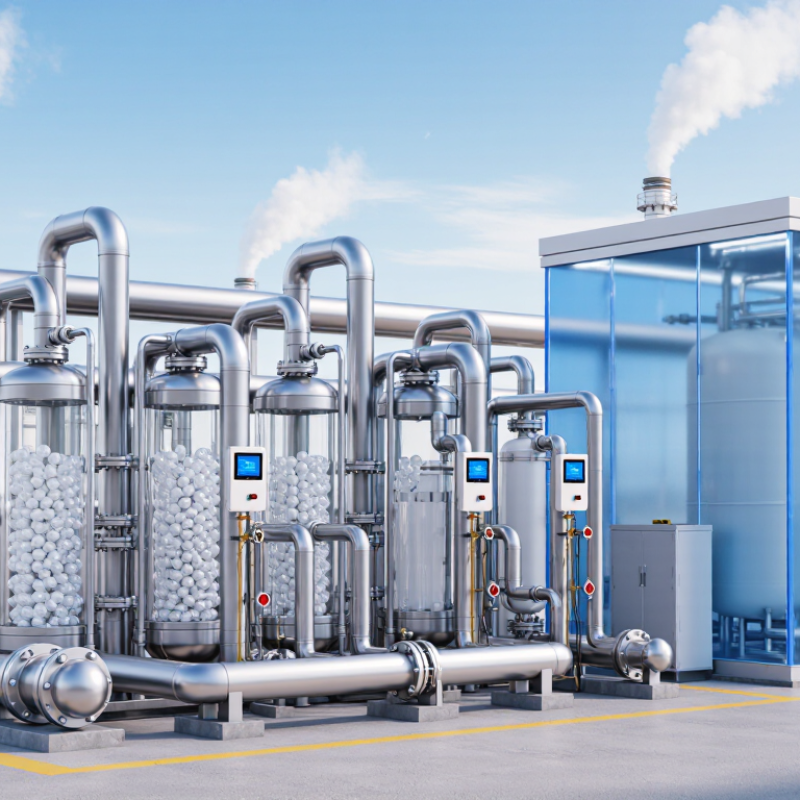
Raw biogas leaving a digester is not ready for most engines, pipelines, or vehicle-fuel systems. The International Energy Agency’s 2020 Outlook for Biogas and Biomethane reports that raw biogas commonly contains about 45–75% methane, with much of the remainder being carbon dioxide. Purification removes carbon dioxide to raise methane concentration and reduce the volume of gas transported. It also targets hydrogen sulfide, which can form corrosive compounds when moisture is present. Not just carbon dioxide.
Water vapor is another routine target. Cooling or drying the gas limits condensation in pipes and helps protect downstream equipment. Depending on the feedstock and process, operators may also need to remove ammonia, oxygen, nitrogen, and volatile organic compounds. The U.S. EPA’s AgSTAR Project Development Handbook identifies hydrogen sulfide, moisture, and siloxanes among contaminants that can affect biogas use. Siloxanes deserve attention: when burned, they can form hard silica deposits on engine parts. A filter that works well at one site may not suit another.
The right treatment depends on measured gas composition and the equipment’s tolerance. A small digester can still produce troublesome gas. Buyers should request representative test results, not rely on a single sample taken under ideal conditions. That practical step is easy to miss.

Why Is Biogas Purification Important for Buyers?
Raw biogas is not a uniform fuel. Its composition changes with feedstock, temperature, and digester operation. Water vapor can condense inside a pipe and collect at low points. Hydrogen sulfide can corrode equipment, while carbon dioxide reduces the gas’s usable energy. That matters. Siloxanes may also leave deposits in engines when they burn.
Purification makes the gas fit its intended use. A boiler may need moisture and hydrogen sulfide control, while an engine often needs tighter limits on contaminants. Gas intended for a pipeline or vehicle fuel usually requires further upgrading to raise its methane content. There is no single cleanup train for every site. Operators should test the incoming gas, check the equipment supplier’s fuel requirements, and monitor treated gas over time. A sample taken after a filter change can reveal whether the media is still working. Small details count. A clogged condensate drain, for example, can undo otherwise careful treatment. Cleaner gas is not automatically the cheapest choice; the right level of purification depends on the equipment, maintenance capacity, and expected gas quality.
For buyers, gas quality affects more than the price per unit. Methane content influences usable energy, while moisture and contaminants can damage engines, boilers, pipelines, or upgrading equipment. Hydrogen sulfide, for example, can contribute to corrosion. Siloxanes may form abrasive deposits during combustion. A gas stream can look clean and still carry costly impurities.
Small differences matter. One delivery may perform differently from the next if feedstock or operating conditions change. Buyers should compare test results with the equipment supplier’s requirements and the intended use. Ask how samples were collected, when they were tested, and whether results represent normal operating conditions. A single laboratory report is useful, but it may not tell the whole story.
Tips: Request recent data for methane, moisture, hydrogen sulfide, and other relevant contaminants. Confirm acceptable limits in writing. Check that sampling and measurement methods are consistent. If readings vary, ask what monitoring or treatment adjustments are available. Do not assume “purified” means suitable for every application; specifications differ. Even a careful review can miss a changing process. That deserves attention.
| Gas-quality factor | Raw biogas: indicative characteristics | Purified or upgraded gas: indicative target | Why it matters to buyers |
|---|---|---|---|
| Methane (CH₄) | Typically about 50–70% by volume | Often above 95% for upgraded biomethane; the required value depends on the end use and applicable specification | Higher methane content generally means more energy per unit of gas and makes the product more suitable for vehicle fuel or gas-network injection. |
| Carbon dioxide (CO₂) | Commonly about 25–45% by volume | Reduced during upgrading; some product specifications require only a small residual amount | CO₂ does not contribute combustible energy. Removing it increases methane concentration and helps meet end-user or network requirements. |
| Hydrogen sulfide (H₂S) | Highly variable; may range from tens to thousands of parts per million | Reduced to the limit specified for the equipment, fuel use, or gas network | H₂S can form corrosive compounds when moisture is present and can damage engines, boilers, compressors, and other equipment. |
| Water vapor | Raw gas is commonly saturated with water vapor at its production temperature | Dried to meet the required dew point or moisture limit | Condensation can contribute to corrosion, instrument problems, and operational issues in pipes and equipment. |
| Siloxanes | May be present, particularly where feedstock includes sewage sludge or certain organic wastes; levels vary widely | Removed or reduced to a level acceptable for the intended equipment | Combustion can convert siloxanes into hard silica deposits, increasing wear and maintenance needs in engines and turbines. |
| Oxygen and nitrogen | May enter through air intrusion or be present depending on the production and collection system | Controlled to the limits set by the buyer or applicable gas specification | These gases dilute the fuel and can affect energy content, safe operation, and eligibility for gas-network or vehicle-fuel use. |
| Lower heating value (LHV) | Often approximately 18–25 MJ/Nm³ when methane content is around 50–70% | For methane-rich biomethane, commonly around 34–36 MJ/Nm³; actual values depend on composition and reference conditions | Energy content helps buyers compare delivered fuel value, estimate consumption, and assess whether gas suits their equipment. |
| Consistency and specification compliance | Composition can vary with feedstock, operating conditions, and treatment | Monitored and controlled against an agreed product specification | Consistent quality supports reliable performance, clearer purchasing terms, and fewer interruptions caused by off-spec gas. |
Values are indicative ranges, not universal acceptance limits. Actual requirements vary by country, gas network, equipment, and intended use; buyers should confirm the applicable specification and test methods before purchase.
Raw biogas can contain hydrogen sulfide, water vapor, carbon dioxide, and trace contaminants. Their levels vary with feedstock and operating conditions. Purification reduces unwanted compounds before gas reaches a boiler, engine, or upgrading system. This matters for safety. Hydrogen sulfide is toxic, and moisture can contribute to corrosion in pipes and storage equipment. Odor is not a reliable warning, so gas monitoring and suitable ventilation remain important. Small leaks matter.
Cleaning gas can also reduce avoidable costs. Moisture and acidic compounds may corrode metal surfaces, while siloxanes can form abrasive deposits during combustion. These deposits can mean more frequent inspections, repairs, and downtime. A dry gas line and a well-maintained condensate drain are small details, but they can protect equipment over time. Buyers should ask which contaminants are measured, how often filters or media need replacement, and what operating limits the equipment requires. A low purchase price may not reflect those ongoing costs.
Purification is not a one-size-fits-all fix. Excessive treatment can add energy use and maintenance without providing useful benefits for a particular application. It is easy to focus on the gas analysis and overlook the drain, monitor, or filter schedule. Matching treatment to measured gas quality, equipment specifications, and real operating conditions gives buyers a more dependable basis for decisions.
Buyers should begin with the gas they actually have, not a standard design case. Biogas composition can shift with feedstock, temperature, and operating conditions. Ask for recent measurements of methane, carbon dioxide, hydrogen sulfide, moisture, and, where relevant, siloxanes. Not one sample. A single test may miss seasonal or daily variation. Compare the system’s guaranteed outlet quality with the needs of the engine, boiler, or grid connection. A clean-looking specification may hide limits on flow, pressure, or inlet variation.
Assess how the unit handles peak output and low-load periods, not only its rated capacity. Ask for measured methane recovery, energy use per cubic metre, and expected media or filter replacement intervals. Request the test conditions behind those figures. Ask who will monitor alarms, calibrate sensors, and support maintenance, and how quickly replacement parts can arrive. Easy access to drains and filter housings can matter on a wet, cold site. Small details count.
Also examine startup requirements, utility demand, footprint, and noise before selecting a layout. Performance data is useful, but check whether it reflects gas similar to your own. Feedstock changes, and operating data may expose assumptions that looked safe on paper. A pilot test or staged commissioning plan can reduce uncertainty, though it adds time and cost. Ask for those trade-offs in writing.
Typical raw biogas composition varies with feedstock and operating conditions. Buyers should test their gas and compare the purification system’s outlet specifications with the requirements of its intended use.
Ranges are typical values, not guaranteed feed-gas specifications. Other constituents, including hydrogen sulfide, water vapor and siloxanes, can vary and should be assessed separately.

