






Choosing the right Zipper Pouch manufacturer involves more than comparing prices or browsing polished product photos. Reliable suppliers must demonstrate material knowledge, stable production, and consistent quality control. Their capabilities may include stand-up pouches, flat pouches, recyclable films, custom printing, and food-grade packaging options. Each choice affects protection, shelf appeal, shipping efficiency, and customer trust.
This guide examines leading Zipper Pouch manufacturers through practical criteria. These include factory experience, production capacity, zipper performance, sealing strength, print accuracy, and documented testing procedures. A dependable manufacturer should explain film structures clearly and provide samples before large-scale production. Factory audits, relevant certifications, and traceable quality records can add useful confidence. However, certificates alone do not guarantee excellent results.
Details matter. A pouch may look attractive yet leak around the bottom seal. A zipper may close smoothly during sampling but weaken after repeated use. Such issues are easy to miss without realistic testing. Buyers should request specifications, inspection standards, lead times, and replacement policies in writing. Communication quality also reveals how a supplier may handle future problems.
Some rankings remain imperfect because manufacturers serve different markets and product categories. One factory may excel at premium cosmetic packaging, while another handles high-volume snack bags more efficiently. Regional shipping, minimum order quantities, and customization limits can change the final decision. Careful comparison is essential. The strongest choice is not always the largest company, but the partner that offers verifiable performance, transparent communication, and consistent support.
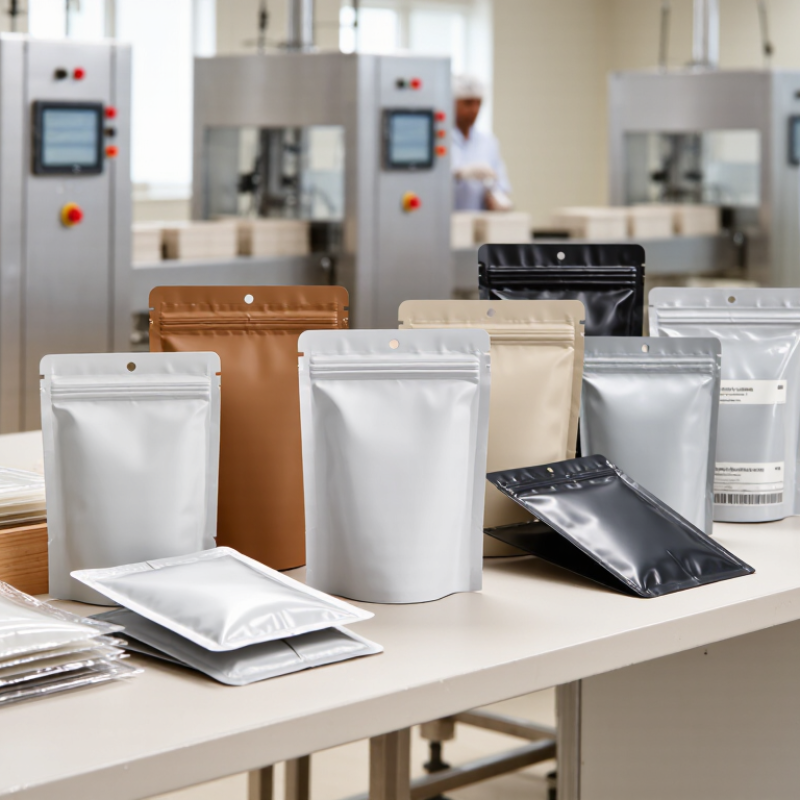
Zipper pouches are flexible packages with a resealable closure near the opening. They protect contents from moisture, dust, and repeated handling. Unlike ordinary sealed bags, they can open and close several times. That convenience makes them useful for snacks, coffee, pet supplies, personal-care items, and household products.
Packaging professionals usually classify zipper pouches by shape, material, closure, and application. Flat pouches lie almost completely level and suit lightweight products. Stand-up pouches use a bottom gusset, allowing them to remain upright on a shelf. Side-gusset designs provide extra volume for larger contents. Some closures use interlocking profiles, while others use sliders for easier opening. They are different.
Material classification is more technical. Common structures include polyethylene films, polyester laminates, foil barriers, and paper-based layers. Each option changes flexibility, print quality, oxygen resistance, and recycling potential. A pouch for dry food may need moisture protection, while a liquid pouch requires stronger seals and leak testing. Compostable-looking material is not automatically compostable; this point is often misunderstood.
When evaluating zipper pouch manufacturers, buyers should request seal-strength data, material specifications, food-contact documentation where relevant, and production traceability. Factory samples should be tested after transport, stacking, and repeated opening. I have seen attractive pouches fail because the zipper worked well, but the bottom seal split. A careful supplier also explains limitations instead of promising universal performance. Small details matter.
| Pouch Classification | Defining Structure or Feature | Typical Material Structure | Common Closure | Relative Barrier Performance | Typical Applications | Key Manufacturer Capability |
|---|---|---|---|---|---|---|
| Flat Zipper Pouch | Two flexible panels sealed around the edges, with a resealable zipper near the opening. | Polyethylene film for basic moisture protection, or multilayer laminates for stronger protection. | Press-to-close zipper or slider zipper. | Low to high, depending on the film and laminate structure. | Snacks, dry foods, pet treats, personal-care items, and small consumer goods. | Accurate zipper placement, consistent heat sealing, and clean edge trimming. |
| Stand-Up Zipper Pouch | A bottom gusset allows the pouch to stand upright on a shelf. | PET/PE, OPA/PE, metallized film laminates, or other application-specific multilayer films. | Press-to-close zipper, slider zipper, or zipper with a tear notch. | Medium to high when a suitable multilayer or metallized structure is used. | Coffee, confectionery, dried fruit, pet food, powders, and household products. | Stable bottom-gusset forming, reliable corner seals, and precise pouch dimensions. |
| Spouted Zipper Pouch | Combines a flexible pouch with a fitment or spout for controlled dispensing. | Multilayer films selected for liquid compatibility, seal strength, and product resistance. | Screw cap, flip cap, or tamper-evident closure; a zipper may also be included. | Medium to high, subject to the film, fitment, and seal design. | Sauces, baby food, beverages, detergents, and liquid personal-care products. | Fitment insertion, leak testing, high-quality spout sealing, and liquid-product compatibility. |
| Vacuum Zipper Pouch | Designed to remove air before sealing and reduce exposure to oxygen and moisture. | High-seal-strength multilayer films, often incorporating nylon for puncture resistance. | Vacuum-compatible zipper or heat-sealed opening. | High when the package has low gas transmission and strong, continuous seals. | Meat, seafood, cheese, coffee, and other oxygen-sensitive products. | Low-leakage sealing, puncture resistance, dimensional stability, and vacuum-process testing. |
| Retort Zipper Pouch | Manufactured to withstand commercial heat processing after filling. | Heat-resistant multilayer structures, commonly including polyester, nylon, aluminum foil or high-barrier film, and polypropylene sealant. | Retort-rated zipper, usually combined with a tear notch or easy-open feature. | Very high for oxygen, moisture, and light protection when foil or high-barrier layers are used. | Shelf-stable ready meals, sauces, soups, and processed food products. | Retort-process validation, seal integrity testing, delamination resistance, and food-contact compliance. |
| Child-Resistant Zipper Pouch | Uses a closure system designed to make opening more difficult for young children while remaining usable for adults. | Polyethylene or multilayer flexible packaging film selected for product and regulatory requirements. | Certified child-resistant zipper or specialized press-and-seal closure. | Low to high, depending on the selected film and barrier layer. | Household chemicals, medicines, regulated products, and selected personal-care goods. | Closure performance testing against the applicable child-resistant packaging standard. |
| High-Barrier Zipper Pouch | Uses specialized layers to limit oxygen, water vapor, aroma, or light transmission. | Metallized PET, aluminum foil laminate, EVOH-containing film, or other approved barrier constructions. | Press-to-close zipper or slider zipper, often with a heat-sealed top area. | High to very high; actual performance depends on the complete structure and seal quality. | Coffee, spices, nuts, powdered foods, pharmaceuticals, and aroma-sensitive products. | Barrier-film selection, oxygen and water-vapor transmission testing, and controlled sealing conditions. |
| Recyclable Mono-Material Zipper Pouch | Uses one primary polymer family to simplify recycling where local collection and recycling systems accept the format. | Mostly polyethylene-based or polypropylene-based film structures with compatible zipper components. | Polymer-compatible press-to-close or slider zipper. | Low to medium, with enhanced versions available through coatings or compatible barrier layers. | Dry foods, snacks, pet treats, home-care products, and selected non-liquid goods. | Material compatibility, downgauging control, recyclability verification, and zipper-to-film compatibility. |
Note: Barrier classifications are relative industry descriptions rather than universal grades. Actual performance depends on film composition, thickness, printing inks, adhesives, zipper design, seal quality, storage conditions, and applicable food-contact or packaging regulations.
