What is UVLED Flatbed Printing and Its Key Benefits?
UVLED Flatbed Printing represents a significant advancement in printing technology. This method utilizes UV lights to cure ink as it is printed on various surfaces. It enables the printing of vibrant colors and fine details on both rigid and flexible materials. With UVLED Flatbed Printing, businesses can achieve high-quality prints while enjoying greater efficiency.
One of the key benefits of UVLED Flatbed Printing is its versatility. This technique can print on materials like wood, glass, and metal. Different substrates allow for creative applications, making it popular among artists and manufacturers. However, the challenge lies in mastering the settings for each material. Not all surfaces yield the same results.
Environmental considerations are also important. UVLED printing uses eco-friendly inks, reducing waste. While this sounds promising, the sustainability of certain materials remains questionable. This technology continues to evolve, raising questions about future advancements. The convenience of UVLED Flatbed Printing can lead to over-reliance on technology, potentially stifling creativity. Embracing both its benefits and limitations is essential for a well-rounded perspective on this innovative printing method.
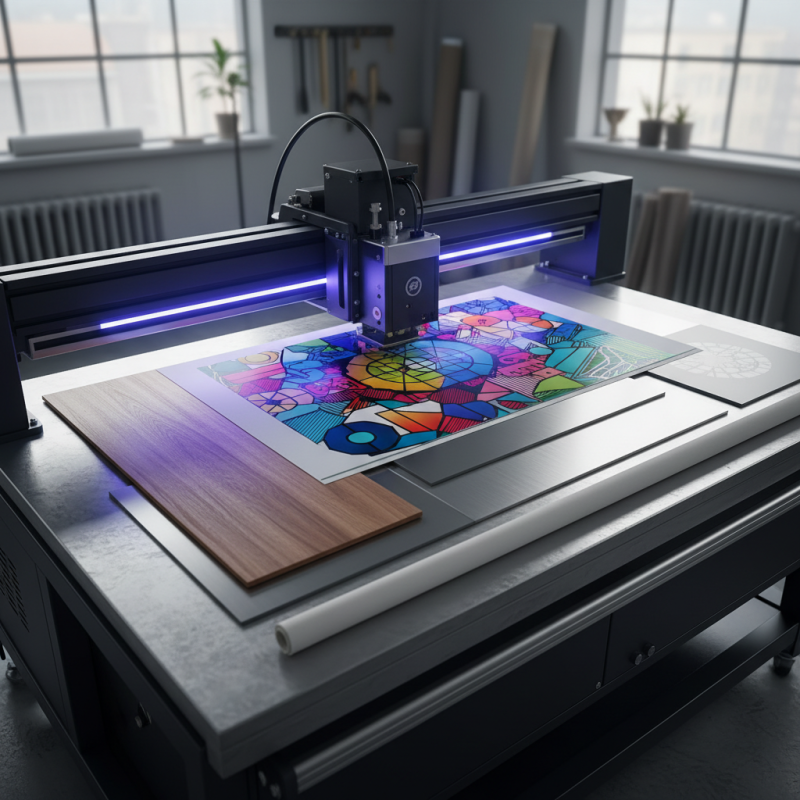
Understanding UVLED Flatbed Printing Technology
UVLED flatbed printing technology has transformed the printing landscape. It uses ultraviolet light-emitting diodes to cure ink instantly as it is printed. This means less drying time and higher efficiency. The process can print directly onto a variety of surfaces. From wood to glass, the flatbed printer adapts easily.
One key benefit of UVLED printing is its eco-friendliness. The inks used contain fewer volatile organic compounds. This reduces the impact on the environment. Additionally, the durability of UV-cured inks is noteworthy. Prints are often resistant to scratches and fading. However, the initial setup costs can be high. This may deter some businesses from making the switch.
Despite these challenges, the technology is gaining traction. Many users note the vibrant colors and detail achievable with UVLED flatbed printing. Yet, some may find the learning curve steep. Training operators to use the machines effectively takes time and effort. Balancing cost with quality remains a point of reflection for many.
How UVLED Flatbed Printing Works
UVLED flatbed printing is an innovative technology. It uses ultraviolet light to cure ink instantly. This process allows for high-quality prints on various substrates. Materials can include wood, metal, glass, and plastic. The versatility of flatbed printing opens many creative possibilities.
In operation, a UVLED printer projects images onto a flat surface. The printer’s head moves back and forth. It applies ink layer by layer, and the UV light follows closely behind. This light triggers a chemical reaction in the ink, solidifying it almost instantly. This rapid curing speeds up the production process. It also reduces the chance of smudging.
While this technology offers numerous benefits, challenges exist. The initial setup costs can be high. Additionally, achieving optimal quality requires practice. Not all substrates cure equally well under UV light. Some materials may distort or react poorly. This necessity for experimentation can lead to a learning curve. However, those willing to adapt can harness this technology for stunning results.
Key Advantages of UVLED Flatbed Printing
UVLED flatbed printing has gained popularity due to its unique advantages. This technology uses ultraviolet light to cure ink as it prints. As a result, colors appear more vibrant and details sharper. One significant benefit is the ability to print on various materials. For instance, wood, glass, and metal are just a few options. This flexibility makes it ideal for custom projects.
Another advantage is the quick drying time. UVLED inks dry almost instantly, allowing for faster production times. This feature helps businesses meet tight deadlines. Additionally, UVLED printers produce less waste. They use less ink compared to conventional methods, which is better for the environment. However, some users might find the equipment costs higher initially. This is a common concern for new adopters.
Moreover, the durability of prints is noteworthy. UV-cured prints can withstand harsh conditions, making them suitable for outdoor use. Yet, some users report occasional issues with ink adhesion on certain surfaces. It's essential to test materials before full production. Working with UVLED technology means embracing both its strengths and potential challenges. The learning curve can be steep, but the benefits are often worth the effort.
Applications of UVLED Flatbed Printing in Various Industries
UVLED flatbed printing has gained traction across various industries due to its versatility and efficiency. This technology enables printing on a wide range of materials. From wood to metal, the flatbed printer can accommodate different shapes and sizes. Many businesses appreciate its ability to deliver vibrant colors and sharp details. This has made it popular in signage and promotional materials.
In the packaging industry, UVLED printing is especially valuable. It allows for high-quality graphics on custom boxes and labels. Brands can quickly produce prototypes and small runs while maintaining quality. Additionally, UVLED printers produce less waste than traditional methods. This makes them more environmentally friendly. However, one must consider the initial investment and ongoing maintenance. Some users may find it overwhelming.
Interior design is another area where UVLED flatbed printing shines. It can print directly onto tiles, glass, and wallpaper, enhancing the aesthetic of spaces. Personalized artworks are gaining popularity, allowing for unique home decor. However, results can vary based on material compatibility. It is important to test different surfaces for the best outcomes. Balancing creativity and practical application remains a challenge for many.
UVLED Flatbed Printing Applications and Benefits
This chart illustrates the key applications of UVLED flatbed printing across various industries, highlighting the benefits in terms of efficiency and versatility.
Comparing UVLED Flatbed Printing with Traditional Printing Methods
UVLED flatbed printing is rapidly changing the printing landscape. Unlike traditional methods, it uses UVLED technology to cure inks immediately. This allows for vibrant colors and sharper details. According to a recent report by Smithers Pira, UV printing can reduce production time by up to 30%. This efficiency attracts many manufacturers aiming to keep pace with consumer demands.
In comparison to conventional printing techniques, UVLED flatbed printing offers significant advantages. The process is eco-friendlier, reducing the use of harmful solvents. Traditional printing methods may struggle with environmental regulations. Despite its advantages, UVLED printing isn't without its challenges. The initial investment is higher, and not all substrates are compatible. A survey by Grand View Research shows that while UV printing accounted for 25% of the market share, issues with equipment affordability still linger.
Adoption rates vary significantly. Some companies embrace UVLED for its quick turnaround and versatility. Others hesitate due to the learning curve associated with new technology. The industry is evolving, yet some vendors might not keep up with customer service demands in this rapidly transforming market. These factors shape how businesses view UVLED flatbed printing in today's competitive landscape.
What is UVLED Flatbed Printing and Its Key Benefits? - Comparing UVLED Flatbed Printing with Traditional Printing Methods
| Feature | UVLED Flatbed Printing | Traditional Printing Methods |
| Print Quality | High resolution and vibrant colors. | Variable quality; depends on method and setup. |
| Speed | Fast printing with quick curing time. | Slower, especially for setups and drying. |
| Material Versatility | Works on a variety of substrates including wood, glass, and metal. | Limited to specific materials, often dependent on ink type. |
| Environmental Impact | Lower VOC emissions; more eco-friendly. | Higher VOC emissions with certain inks. |
| Setup Time | Short setup time; quick changeovers. | Longer setup time; more complex processes. |
| Cost | Higher initial investment but lower operating costs. | Lower initial investment but potentially higher long-term costs. |