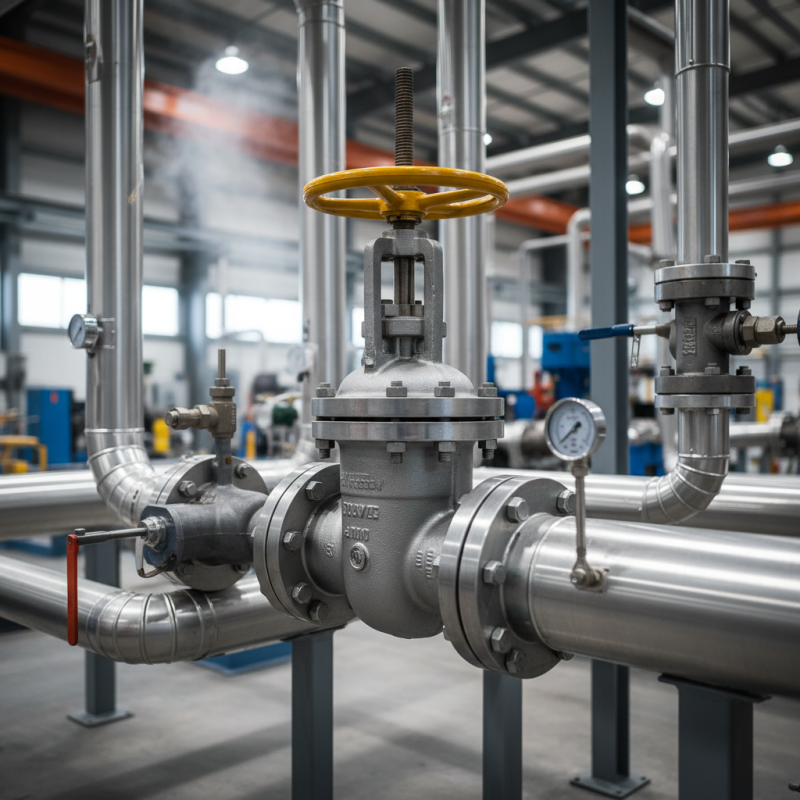
Why Use a Gate Valve for Your Pipeline System?
A Gate Valve is a crucial component in many pipeline systems. Its design allows for a complete shut-off of flow. This feature is particularly valuable in industries where control over fluid transport is essential.
Using a gate valve can provide several advantages. They offer low resistance to flow, reducing pressure loss. In addition, gate valves work well for on/off control, making them ideal for isolating sections of pipelines. However, gate valves may not be the best choice for throttling. They can be inefficient in regulating flow rates.
Choosing the right valve can significantly impact system performance. Gate valve selection should consider factors like pressure, temperature, and the type of fluid. Reflection on these aspects can lead to more efficient pipeline operations. While gate valves are beneficial, awareness of their limitations is essential for optimal usage.
Gate Valve Overview: Definition and Function in Pipeline Systems
Gate valves play a crucial role in pipeline systems. They are designed to allow or block the flow of liquids and gases effectively. The main function of a gate valve is to provide a tight seal when closed. This helps prevent any leakage during operation. In open position, the valve creates minimal resistance, allowing maximum flow.
When considering gate valves for your pipeline, think about their design. They typically feature a sliding gate that lifts and lowers. This design minimizes turbulence and pressure loss in the system. One aspect to consider is their maintenance. Sometimes they may require adjustments, especially if not used regularly.
Tips: Inspect your gate valves periodically. Ensure they open and close smoothly. Regular maintenance extends the life of your valves. Also, consider the materials used in the valve's construction. The right materials prevent corrosion and ensure longevity. Remember, not all situations may require gate valves. Always assess your specific pipeline needs before making a decision.
Advantages of Gate Valves: Efficiency and Flow Control in Pipelines
Gate valves are essential in pipeline systems. They offer significant advantages in efficiency and flow control. One major benefit is their ability to minimize pressure loss. When fully open, they provide a straight flow path. This feature greatly enhances system performance. Flow rates can be adjusted effectively by partially opening the valve. However, this operation can sometimes lead to wear and tear.
Another important factor is their durability. Gate valves are designed to handle high pressure and temperature. They can resist corrosion and erosion better than some alternatives. This durability can lead to longer lifespan and lower maintenance costs. However, they require regular checks. Neglecting maintenance can result in leaks and other issues.
Installation is relatively straightforward, but it's crucial to follow proper guidelines. Misalignment during installation can hinder performance. Even a small error can cause significant problems down the line. Users should always pay attention to mounting and alignment. Small details can make a big difference in the overall efficiency of the pipeline system.
Advantages of Gate Valves in Pipeline Systems
This bar chart illustrates the key advantages of using gate valves in pipeline systems, highlighting their efficiency and flow control capabilities.
Industry Standards: Key Specifications for Gate Valve Performance
Gate valves are essential in pipeline systems. They provide reliable performance in various applications. Industry standards govern their design and manufacturing. Understanding these specifications is crucial for proper use.
Materials play a significant role in gate valve performance. Steel and cast iron are popular choices. Each material has unique strengths and weaknesses. For instance, steel is strong and durable, but it may rust. Cast iron is resistant to corrosion but can be brittle. This variability requires careful consideration in selection.
Another key specification is pressure rating. Proper pressure rating ensures that the valve can handle the system’s demands. An inadequate rating can lead to failure. Testing can sometimes reveal unexpected flaws. Also, valve size and type impact flow rates. A miscalculated size leads to efficiency loss. This highlights the complexity of choosing the right gate valve for specific needs. Reflecting on these factors is crucial for optimal usage in pipeline systems.
Applications of Gate Valves: Where and Why They are Used in Pipelines
Gate valves play a vital role in various pipeline systems. They are commonly found in water supply, oil, and natural gas applications. Their primary function is to start or stop the flow of media. When fully opened, they provide minimal flow resistance, ensuring smooth passage. This design makes them ideal for high-pressure systems.
In processing plants, gate valves control fluid flow in large pipelines. They are often used in waste treatment facilities as well. Here, they regulate water and sewage transfer. The simplicity of the gate valve allows for easy maintenance, yet it may not perform well in throttling applications. Sometimes, users need to consider alternatives.
Gate valves come in different materials, adapting to unique environments. Their use in extreme temperatures is notable, but not without caution. Users must be vigilant about wear and tear. The choice of valve should reflect specific conditions. Often overlooked, the selection process deserves careful thought, as it affects long-term performance.
Maintenance Considerations: Best Practices for Gate Valve Longevity
Gate valves are essential in controlling flow in pipeline systems. Proper maintenance is crucial for their longevity. Regular inspection can prevent major issues. Data from industry reports indicate that well-maintained valves can last up to 30 years. However, neglect can lead to leaks or complete failures.
Best practices include routine checks for leaks and corrosion. Operators should clean the valves monthly. This simple act can help in early detection of wear. Additionally, grease the stem regularly. This reduces friction and wear. According to a survey, 25% of valve failures are due to inadequate lubrication.
Operators must also assess valve seats and seals. These parts are vulnerable to damage over time. It is noted that replacement can extend valve life significantly. Yet, many overlook this step. Consistent training for staff on maintenance tasks helps improve valve reliability. Addressing issues early leads to fewer unexpected shutdowns.
Why Use a Gate Valve for Your Pipeline System? - Maintenance Considerations: Best Practices for Gate Valve Longevity
| Maintenance Best Practice | Description | Recommended Frequency | Key Benefits |
| Regular Inspection | Inspect for leaks, corrosion, and proper operation. | Monthly | Early detection of issues, enhanced reliability. |
| Lubrication | Apply lubricant to the stem and thread. | Biannually | Smoother operation, reduced wear and tear. |
| Flushing | Flush the valve and pipeline to remove debris. | Annually | Prevents blockages, maintains flow efficiency. |
| Functional Testing | Test the valve's opening and closing mechanism. | Quarterly | Ensures operational integrity, prevents failure. |
| Seal Replacement | Replace worn seals to prevent leaks. | As needed, based on inspection | Minimizes leaks, optimizes performance. |