






Top 10 Wrapping Machine Manufacturers in China

China’s packaging sector offers a wide range of wrapping equipment, from compact tabletop units to automated lines built for continuous production. This guide to the Top 10 Wrapping Machine Manufacturers in China gives buyers a practical starting point. It considers product range, customization, control systems, service support, and the clarity of technical information. A polished brochure is not enough.

W. Edwards Deming, a quality-management expert, wrote, “Quality comes not from inspection, but from improvement of the production process.” That principle matters when assessing a Wraping Machine. A stable film feed, consistent sealing temperature, and accessible changeover controls can affect daily output more than a headline speed. Ask manufacturers for test results using products and film similar to yours. Check what happens when package dimensions change, or a sensor needs adjustment.

Details count. A machine may run well with one carton size, then struggle with a shorter format or a delicate film. Request clear specifications for speed, power, footprint, and supported materials. Confirm commissioning, operator training, spare-part access, and remote support before comparing prices. These points can reveal gaps that a product listing leaves out.

No ranking fits every factory. Some buyers need compact equipment; others need integration with conveyors and case packers. The strongest choice depends on the product, production target, and available service. This list aims to inform—not replace—factory trials, reference checks, and a careful review of the actual line requirements.
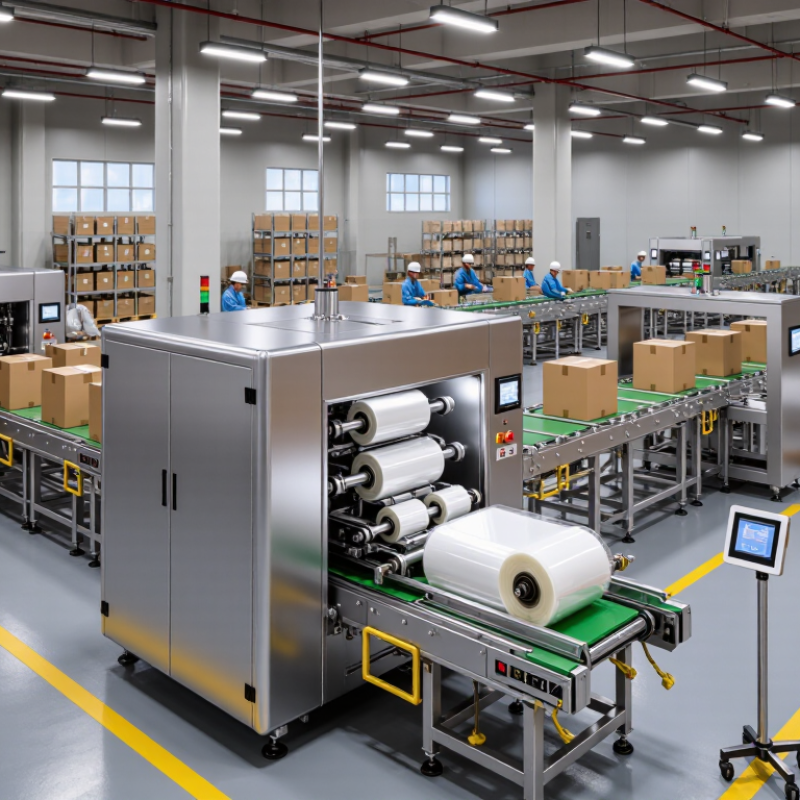
Top 10 Wrapping Machine Manufacturers in China

Wrapping Machines in China: Scope, Applications, and Industry Terms

Wrapping machines cover several distinct processes, not one universal solution. Stretch wrappers secure pallet loads with elastic film, while shrink systems use heat to tighten film around products. Flow wrappers form sealed packs around individual items. Orbital machines wrap long or bulky goods, such as pipes and furniture panels.

Applications range from food cartons and household products to building materials and warehouse pallets. The right machine depends on load dimensions, product fragility, film type, and required output. Useful industry terms include “wrapping speed,” measured in cycles or loads per hour, and “film tension,” which affects load stability. A turntable rotates the load; a rotary arm moves around a stationary pallet. Details matter. A fast machine may still struggle with uneven cartons or soft packages.

Tips: Ask for a trial using your actual product and packaging. Check changeover time, guarding, and routine cleaning access. Compare quoted capacity with realistic operating conditions, not only ideal figures. A specification sheet can look precise yet miss awkward product variation. That gap deserves attention.

Machine Types and Benchmarks: 20–40 Pallets per Hour, 200–300% Pre-Stretch

Top 10 Wrapping Machine Manufacturers in China: Machine Types and Benchmarks

Pallet-wrapping equipment ranges from semi-automatic turntable machines to automatic rotary-arm and ring systems. Turntable models rotate the load, making them suitable for stable pallets and moderate production lines. Rotary-arm machines keep heavier or less stable loads stationary while the wrapping arm moves around them. Ring systems can support faster, continuous operation, but need suitable floor space and line integration. Machine names alone reveal little. A useful benchmark is 20–40 pallets per hour, depending on load size, film changes, and operator handling.

Tips: Ask for a timed demonstration using your pallet dimensions and actual product. Include loading, unloading, and film changes in the cycle count. A headline speed may exclude these steps.

Pre-stretch levels of 200–300% can reduce film use when film quality, tension, and load geometry are well matched. They do not guarantee lower costs or secure loads. Request a measured comparison of film consumption and load stability at the proposed setting. Check corner protection, overlap, and top-sheet needs too. The benchmark is a starting point, not a promise; real production conditions can be messier than a factory test.

How to Evaluate Manufacturers: ISO 9001:2015, Output, and After-Sales Service

When comparing wrapping machine manufacturers in China, treat ISO 9001:2015 as a starting point, not a performance guarantee. Check that the certificate is current and covers the factory and processes producing your machine. Then ask for inspection records, component traceability, and a factory acceptance test using your actual product and film. A neat certificate cannot show whether a machine wraps uneven cartons reliably at your required speed.

Output figures need context. PMMI’s 2023 Packaging Machinery Shipments Study reported U.S. packaging machinery shipments of about $10.6 billion in 2022, reflecting a substantial and active equipment market. That figure is not a China-specific benchmark, but it shows why buyers should compare measurable capacity, not marketing claims. Request a timed run, reject rate, changeover duration, and power use. Numbers need context. A supplier’s best-case speed may not match your real package dimensions or operators.

Tips: Ask for three recent installation references and a written service plan. Confirm spare-part availability, remote support hours, technician response targets, and warranty exclusions. Check whether the quotation includes commissioning and operator training. Bring a sample roll of film. Small details matter, and I would still leave room for uncertainty: one successful factory test cannot predict every shift or material batch.

Top 10 Wrapping Machine Manufacturers in China – How to Evaluate Manufacturers: ISO 9001:2015, Output, and After-Sales Service

Use this checklist to compare shortlisted manufacturers. It does not rank or identify specific companies. Verify all claims against current documents, machine specifications, and acceptance tests.

No. Evaluation Criterion What to Check Evidence to Request Suggested Weight
1 ISO 9001:2015 certification Confirm the certificate is current and that its stated scope covers the relevant manufacturing or design activities. Certification alone does not establish machine performance. Certificate number, issuing body, scope, validity dates, and confirmation from the certification body or its public register. 15%
2 Verified machine output Compare the guaranteed rate with the required product, film, pack format, and operating conditions. Output depends on the machine configuration and production setup. Model-specific rated capacity, test conditions, and a factory acceptance test (FAT) using representative products and packaging materials. 15%
3 After-sales service Check support hours, response commitments, remote troubleshooting availability, commissioning, and the process for handling service requests. Written service-level terms, commissioning plan, support contact channels, and a clear escalation procedure. 15%
4 Machine and product fit Verify product dimensions, pack styles, wrapping materials, changeover needs, and line layout against the proposed machine configuration. A documented application review, product samples or drawings, and a configuration-specific proposal. 12%
5 Build quality and components Review the machine construction, electrical design, safety provisions, and component specifications. Confirm that quoted components match the delivered configuration. Bill of materials, electrical drawings, safety documentation, and a pre-shipment inspection checklist. 10%
6 Spare parts availability Assess the availability and expected supply route for wear parts, critical components, and recommended startup spares. Parts list with part numbers, quoted lead times, recommended spare-parts package, and ordering procedure. 10%
7 Installation and training Confirm who handles installation, startup, operator training, maintenance training, and language or travel arrangements. Scope of work, training agenda, required site utilities, and commissioning responsibilities. 8%
8 Documentation and controls Check the availability of operating and maintenance manuals, electrical diagrams, control-system details, and agreed language versions. Sample manual, drawing list, control-system specification, and documentation delivery schedule. 6%
9 Delivery and project control Evaluate the proposed production schedule, inspection milestones, packaging, shipping terms, and communication process for changes or delays. Project schedule, milestone plan, agreed delivery terms, and named project contacts. 5%
10 Warranty and acceptance terms Read warranty coverage, exclusions, start date, remedy process, and objective acceptance criteria before placing an order. Written warranty terms, FAT and site acceptance test (SAT) criteria, and a documented defect-resolution process. 4%
Total suggested evaluation weight 100%

Evaluation note: Apply the same scoring rules and test conditions to every shortlisted supplier. Treat output, certification, lead time, and service commitments as unverified until supported by documents or agreed acceptance tests.

Top 10 Chinese Wrapping Machine Manufacturers: Profiles and Product Specialties

Chinese wrapping-machine suppliers span distinct specialties, so a useful comparison starts with the product, not the factory’s headline capacity.

Mordor Intelligence’s Packaging Machinery Market report estimates the wider market at USD 52.83 billion in 2024, with growth projected through 2029. That figure covers packaging machinery broadly, not wrapping machines alone.

A ten-profile shortlist can distinguish:

horizontal flow wrappers for bars and baked goods
vertical form-fill-seal machines for powders
stretch-film pallet wrappers for warehouse loads.

Other profiles focus on orbital wrapping for long items, shrink systems for multipacks, and carton bundling for retail cases. Some suppliers specialize in automatic film feeding and cutting; others build high-speed food lines, conveyor-linked packaging cells, or compact semi-automatic units.

Small details matter.

Look for:

guarded film rolls
accessible sealing jaws
clear fault displays
changeovers that one operator can manage.

Request sample runs using your actual product and film. Check output at the required pack size, not just the advertised maximum speed. Ask for spare-part lead times and a service plan.

Not interchangeable.

These profiles are practical categories, not verified rankings; suppliers often overlap, and published specifications may omit real changeover time. A site trial can expose that gap.

Comparing Suppliers by Throughput, Film Use, Load Size, and Compliance

When comparing wrapping machine manufacturers in China, rated throughput is only a starting point. Ask suppliers to run your actual pallet pattern, including uneven cartons and fragile corners. Record completed loads per hour, film breaks, and operator adjustments. A fast empty-machine test tells you little. Measure it live.

Film use affects both operating cost and load stability. Compare film weight per wrapped pallet, not just the quoted price per roll. Check whether pre-stretch settings stay consistent across different load shapes. A tight wrap is not always a better wrap; excessive tension can crush light cartons. This is easy to overlook.

Load size matters too. Confirm the smallest and largest pallet dimensions, maximum height, and load weight the machine can handle. Request a test with your most awkward load, not only a neat sample. Compliance deserves the same practical check: review electrical documentation, guarding, emergency stops, and safety instructions for the destination market. Ask for current records and clarify who supports installation and operator training. I would compare suppliers using the same test conditions, though real warehouse floors rarely stay perfectly consistent. That uncertainty should be recorded, not ignored.