Top 10 Wire Crimpers You Should Consider for Your Projects?
When embarking on electrical projects, having the right tools is crucial. One of the essential tools you need is a reliable wire crimper. This device simplifies the process of connecting wires, making it a fundamental component for both professionals and DIY enthusiasts. Choosing the right wire crimper can make a significant difference in your project's efficiency and safety.
Different wire crimpers come with unique features, materials, and price points. Some models are designed specifically for certain wire types, while others offer versatility. Understanding these differences is vital. Often, users overlook the importance of selecting a quality tool, leading to frustration and unexpected issues. It’s easy to assume all wire crimpers are the same, but that is far from the truth.
Investing time to find the right wire crimper can save you from future headaches. Quality tools lead to better connections and overall project success. In a world where precision matters, selecting the correct wire crimper can elevate your work. This guide highlights the top 10 wire crimpers, ensuring you make an informed choice that meets your specific needs.
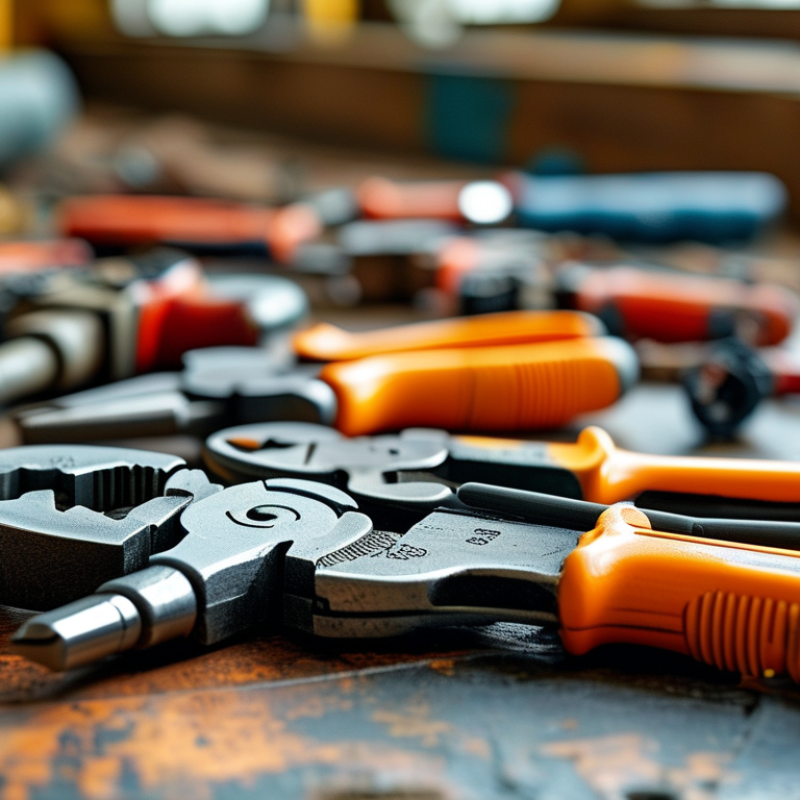
Overview of Wire Crimpers and Their Importance in Projects
When working on various electrical projects, wire crimpers play a crucial role. They ensure that connections are secure and reliable. A good crimper can make all the difference in the outcome of a project. It creates a strong bond between wires and terminals, preventing issues like short circuits or loose connections. This tool is essential for both professionals and hobbyists.
Understanding how these tools work is vital for successful results. A dependable crimper applies correct pressure to connect the wire and terminal effectively. However, it's important to choose the right type based on wire gauge and project needs. The wrong choice can lead to weak connections. Sometimes, users overlook this, resulting in unwanted repairs and frustrations.
Maintenance of wire crimpers is often neglected. Regular inspections and cleaning can prolong the life of the tool. It’s easy to ignore worn-out parts, but this can lead to poor performance. Reflecting on the importance of quality tools is key for any project. A proactive approach to selecting and maintaining wire crimpers ensures your projects will run smoothly and efficiently.
Top 10 Wire Crimpers You Should Consider for Your Projects
| Crimper Type | Material | Crimping Capacity (AWG) | Price Range (USD) | Features |
| Manual Wire Crimper | Steel | 22-10 | 15-30 | Ergonomic handle, spring-loaded |
| Ratchet Crimping Tool | Carbon Steel | 24-12 | 20-50 | Adjustable pressure, locking mechanism |
| Hydraulic Crimper | Aluminum | 6-2 | 100-200 | High pressure, for heavy-duty cables |
| Micro Crimper | Nickel-Plated Steel | 30-24 | 10-25 | Precision crimping, compact design |
| Electrical Connector Crimper | Stainless Steel | 20-14 | 15-35 | Interchangeable die sets, good for connectors |
| Compact Crimper | Plastic and Steel | 22-10 | 10-30 | Lightweight, easy to carry |
| Heavy-Duty Crimper | High-Strength Steel | 10-2 | 50-100 | Long handle for leverage, durable |
| Automatic Crimper | High-Quality Plastic | 22-16 | 100-150 | Fast crimping, battery-operated |
| Specialty Crimper | Varied Materials | 15-10 | 25-80 | Customizable, designed for specific tasks |
| Multi-Function Crimper | Steel Alloy | 22-8 | 20-40 | Multiple features include cutting and stripping |
Key Features to Look for in Quality Wire Crimpers
When selecting a wire crimper for your projects, several key features stand out. Quality crimpers should offer a sturdy grip for better control. Look for ergonomic designs that reduce hand fatigue during use. Some models provide adjustable settings for different wire sizes. This adaptability can save time and effort.
Precision is another aspect to consider. A crimper with aligned jaws ensures consistent results. Misaligned jaws can lead to faulty connections, which may require rework. Additionally, durability is critical. Materials like high-carbon steel exhibit strength and resist wear over time. A quality crimper should withstand repeated use without performance loss.
In practice, some users notice that cheaper crimpers lack the precision needed for tighter connections. Often, the added effort in securing connections leads to frustration. Investing in reliable tools may prevent costly mistakes. Professionals and hobbyists alike should focus on these critical features for successful crimping tasks.
Top 10 Wire Crimpers: A Comprehensive Review of Specifications
Choosing the right wire crimper can greatly enhance project efficiency. A quality crimper ensures secure connections, making your electrical tasks safer. Different crimpers come with unique specifications. This variety caters to various needs, like wire size and type. Some tools work best for thin wires, while others handle heavier gauges. The crimping mechanism is also important. Some tools use a ratchet system for consistent pressure. Others are simpler and more portable.
It's crucial to consider user comfort. An ergonomic design can reduce fatigue during long sessions. Weight matters too. A heavy tool might hinder precision. Look for features like a built-in wire cutter or stripping tool. These extra functions can save time. However, with many options, finding the right one can be overwhelming. You may find tools that meet your needs but lack some advanced features. This is often a trade-off. So, weigh efficiency against capability to make the best choice.
Comparative Analysis: Pros and Cons of Each Recommended Wire Crimper
When selecting wire crimpers, it’s essential to weigh the pros and cons of each option. Some models provide exceptional grip and leverage. They create solid connections that improve the quality of your projects. However, users may find that higher quality often costs more. Budget-friendly options may save money but often compromise on performance. These crimpers might not deliver the same tension or precision.
Another critical aspect is ergonomics. Many crimpers are designed for comfort, handling prolonged use without fatigue. Others can feel cumbersome in hand, making tasks more exhausting than necessary. Additionally, while some crimpers are versatile, accommodating various connector types, others specialize in specific jobs. This limitation can affect workflow and efficiency on diverse projects.
Durability is another factor to consider. Some wire crimpers are made with sturdy materials, ensuring a long lifespan. In contrast, cheaper models may wear out quickly, forcing replacements. A thorough evaluation of these elements will enhance your decision-making. Understanding the trade-offs ensures you select a crimper that aligns with the demands of your projects, ultimately affecting the quality of your work.
Tips for Proper Use and Maintenance of Wire Crimpers for Longevity
Proper use and maintenance of wire crimpers can significantly extend their lifespan. Always choose the right crimper for your project. Different gauges of wire require specific tools. Using the wrong tool can lead to damaging both the crimper and the wire. Ensure that you clean the tools after each use. Dust and grime can affect their performance.
Regularly inspect the crimping surfaces for signs of wear. Over time, dents and scratches can accumulate. These imperfections can lead to poor crimping results. If you notice excessive wear, consider replacing the crimper. This can save you time and frustration on future projects.
Lubrication is essential, but it must be done carefully. Apply a small amount of lubricant to moving parts, avoiding excess. Too much can attract dirt. Always store your crimpers in a dry, cool place. Proper storage not only protects your tools but also keeps them ready for your next task. Frequent checks will keep your tools in good shape.