Top Rubber Screen Panels for Optimal Mining Efficiency?
In the mining industry, efficiency is key to profitability. One innovative solution that has gained traction is Rubber Screen Panels. According to Dr. Emily Johnson, a leading expert in mineral processing, “Rubber Screen Panels significantly enhance material separation and reduce wear.” This technology is pivotal in optimizing mining operations.
Rubber Screen Panels are designed to improve the screening process. They provide better resistance to abrasion and impact compared to traditional materials. This durability not only extends the life of the panels but also lowers replacement costs. However, companies often overlook the importance of selecting the right panel type for specific materials, which can affect performance.
To truly capitalize on the benefits of Rubber Screen Panels, ongoing evaluation is crucial. Industry leaders must consistently assess their screening efficiency. Over time, some might rely too heavily on established practices. This could hinder innovation. Awareness of the potential for improvement is essential to maintaining competitiveness in the mining sector.
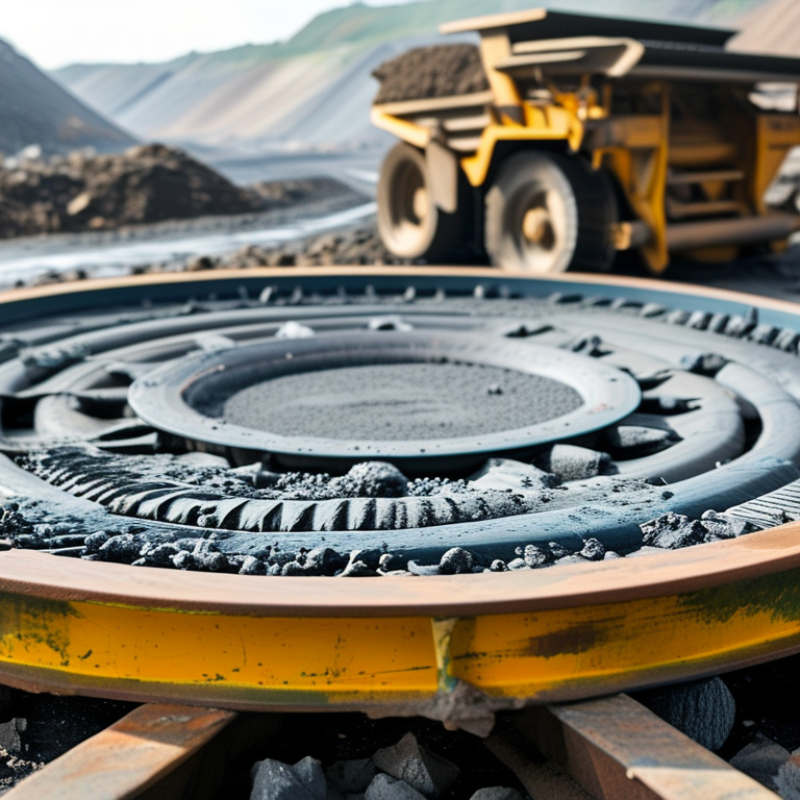
Understanding Rubber Screen Panels in Mining Applications
Rubber screen panels have become crucial in the mining sector. They enhance performance by optimizing material separation. According to industry reports, using rubber panels can improve screening efficiency by up to 30%. This is a significant figure, especially when efficiency directly impacts yield in production.
In mining applications, rubber screens are favored for their flexibility and durability. They can withstand the harsh environments found in mining sites. These panels reduce noise levels and vibrations. These attributes contribute to a more stable operating environment. Furthermore, their lightweight nature allows for easier installation and maintenance.
Tip: Regular inspection of rubber panels can prevent unexpected downtime. Ensure that wear and tear are monitored closely to maintain optimal performance.
Although rubber screens offer many advantages, they are not invincible. Over time, exposure to abrasive materials can degrade their effectiveness. It is essential to balance cost and quality. Investing in high-quality materials ensures longevity.
Tip: Evaluate the specific conditions of your site. Not all rubber panel types will perform equally across diverse environmental challenges.
Top Rubber Screen Panels for Optimal Mining Efficiency
This chart illustrates the effectiveness of different rubber screen panel types in mining applications, measured by their efficiency ratings and maintenance costs.
Key Features of Top Rubber Screen Panels for Efficiency
Rubber screen panels play a crucial role in the mining industry. They enhance efficiency by providing better material handling. The primary features to consider include durability and flexibility. Durable panels resist wear and tear, extending their lifespan. Flexibility ensures they can withstand heavy impacts without cracking. These properties significantly reduce downtime and maintenance costs.
Another important aspect is the design. Innovative designs promote better material flow. Proper sizing increases screening effectiveness. Panels must fit seamlessly within the existing machinery. Poorly fitted panels can lead to material blockage, reducing overall efficiency. This design consideration requires ongoing evaluation during the operation.
Moreover, the surface texture of rubber panels affects performance. A textured surface enhances the grip on materials. This can lead to improved separation and reduced material loss. Experimenting with different textures might yield better results. Understanding the unique requirements of each mining operation is vital. This knowledge helps in selecting the right panel type, which can influence productivity levels.
Comparative Analysis of Rubber vs. Other Screen Materials
When assessing screen materials, rubber panels stand out for their unique properties. Rubber screens provide excellent resistance to wear and tear. They are especially favorable in mining environments where durability is crucial. Unlike metal screens, rubber options reduce noise and vibration, promoting a safer workspace. However, they may not offer the same level of efficiency in high-temperature situations.
Metal screens, on the other hand, excel in certain applications. They can handle higher temperatures and offer rigid support for heavy loads. However, they are prone to rust and require more maintenance. This can affect long-term costs in mining operations. Choosing the right material depends on specific mining conditions and budget constraints.
Tips: Consider the specific demands of your mining operation. Evaluate the types of materials being processed. Rubber panels may work well for softer materials, while metal may be better for heavier rocks. Don’t overlook installation processes, as improper fitting can lead to inefficiencies. Investing in quality screens can significantly impact performance and cost-effectiveness over time.
Choosing the Right Rubber Screen Panel for Specific Mining Needs
When selecting rubber screen panels for mining, understanding specific needs is vital. Different mining operations require tailored solutions. According to recent industry reports, over 30% of mining inefficiencies arise from improper equipment choices. Choosing the right rubber screen panel can significantly enhance material handling and screening efficiency.
Durability plays a critical role in this selection process. High-quality rubber panels withstand abrasive minerals. Reports indicate that using the appropriate materials can reduce wear rates by up to 25%. Additionally, the design of the screen panel should align with material characteristics and production goals. Panel size and mesh type directly impact throughput and recovery rates.
Minerals vary widely in size and shape. Screen panels must be adaptable to these variations. Experts recommend conducting trials with different configurations to identify optimal setups. Regular feedback and adjustments can lead to significant improvements over time. Understanding these facets ensures mining operations maximize output while minimizing costs and downtime.
Top Rubber Screen Panels for Optimal Mining Efficiency
| Screen Panel Type | Material Thickness (mm) | Opening Size (mm) | Screening Efficiency (%) | Application Types |
| High-Temperature Resistant | 10 | 50 | 90 | Coal, Iron Ore |
| Ultra-Flexible Panels | 8 | 30 | 85 | Gravel, Sand |
| Heavy-Duty Panels | 15 | 60 | 95 | Minerals, Aggregates |
| Standard Mesh Panels | 12 | 40 | 80 | Coal, Quarrying |
| Chemical-Resistant Panels | 10 | 35 | 88 | Gold, Silver Processing |
Maintenance Practices for Enhancing Rubber Screen Panel Longevity
Proper maintenance of rubber screen panels is vital for improving mining efficiency. Regular inspection can help detect early signs of wear. Look for cracks, tears, or any irregularities. These issues can lead to larger problems if ignored. Regular cleaning of the panels is also essential. Debris buildup affects performance and lifespan.
Tips for prolonging rubber screen panels include applying a protective coating. This can reduce wear from heavy materials. Ensure that the panels are installed correctly to prevent unnecessary strain. Regularly check the tension and fit. Loose panels can lead to inefficient separation and increased wear.
Don’t overlook the environment where the panels operate. Extreme temperatures and chemical exposures can degrade rubber more quickly. Consider using temperature-resistant materials if you operate in harsh conditions. Keeping an eye on usage patterns can also inform when to replace panels. This proactive approach prevents unexpected downtime and costs.