Top 10 Roller Conveyor Systems for Efficient Material Handling Solutions
In the fast-paced world of logistics and material handling, the efficiency of transportation systems plays a crucial role in streamlining operations and maximizing productivity. Among the various solutions available, roller conveyor systems have emerged as a leading choice for businesses seeking reliable and effective methods to move goods. These systems utilize a series of rollers to facilitate the smooth movement of items, reducing manual labor and increasing throughput in warehouses, manufacturing facilities, and distribution centers.
Roller conveyors offer versatility and adaptability, capable of handling various types of materials and cargo with ease. Their design allows for the seamless integration into existing workflows, making them an ideal solution for companies looking to enhance their operational capabilities. By employing roller conveyor systems, organizations can not only minimize the risk of damage during transport but also ensure that their processes are optimized for speed and efficiency.
In this article, we will explore the top 10 roller conveyor systems that exemplify the pinnacle of material handling solutions. By examining their features and benefits, we aim to provide insights into how these systems can transform your operations, ultimately driving growth and success in an increasingly competitive environment.
Understanding Roller Conveyor Systems: An Overview of Material Handling
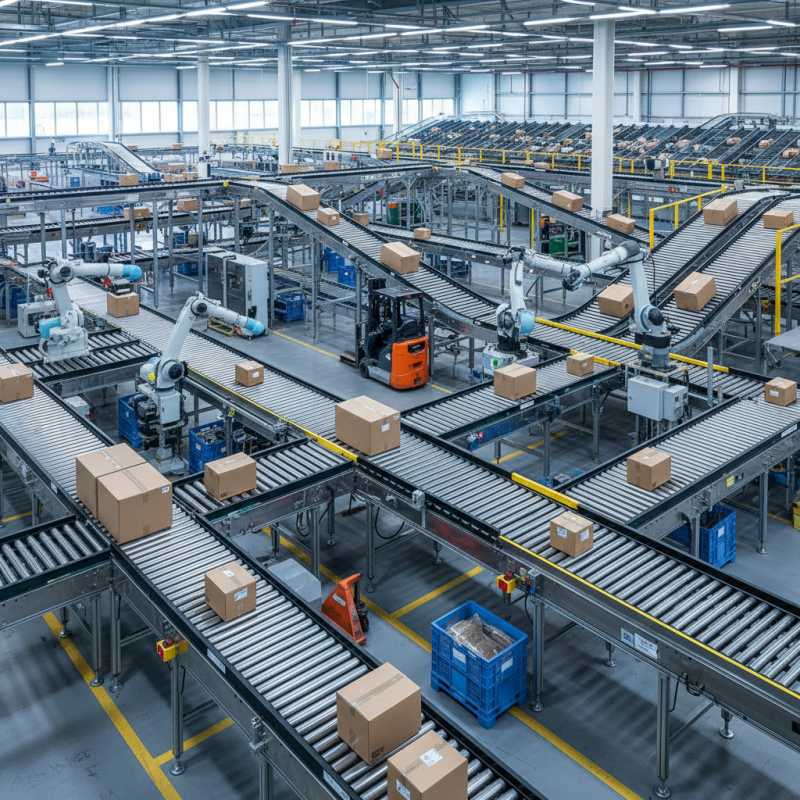
Roller conveyor systems are essential for streamlining material handling processes in various industries, enhancing efficiency and productivity. These systems utilize a series of rollers to transport materials in a controlled manner, allowing for the smooth movement of goods from one point to another. According to a report by the Material Handling Industry of America, the adoption of conveyor systems can lead to a significant increase in operational efficiency, with some facilities reporting up to a 30% reduction in handling time. This efficiency is pivotal in environments where time and productivity are critical, such as warehousing and manufacturing.
Additionally, roller conveyors feature designs that cater to different materials and load types, making them versatile tools in material handling solutions. For instance, heavy-duty roller conveyors can efficiently transport loads exceeding 6,000 pounds, according to industry specifications. Furthermore, integrating automation technologies, such as sensors and control systems, can enhance the functionality of roller conveyors, providing real-time monitoring and reducing the risk of errors. With the growing focus on optimizing supply chain management, companies are increasingly turning to roller conveyor systems to facilitate smoother operations and adaptability to changing production demands.
Key Factors Influencing the Selection of Roller Conveyor Systems
When selecting roller conveyor systems for efficient material handling, several key factors must be considered.
Firstly, the type and weight of the materials being transported play a crucial role in determining the appropriate design and capacity of the conveyor system. Heavier loads require sturdier rollers and a robust framework to prevent damage and ensure smooth movement.
Additionally, the dimensions of the materials, such as length and shape, can influence the spacing and arrangement of the rollers, impacting overall efficiency and functionality.
Another significant factor is the operational environment.
Factors such as temperature extremes, exposure to moisture, and the presence of dust or other contaminants can affect the performance and durability of the conveyor system.
Therefore, selecting materials that are resistant to these conditions is vital for long-term reliability. Furthermore, the layout of the facility should also be considered, as it will dictate the configuration of the roller conveyor system to optimize flow and minimize bottlenecks.
By carefully evaluating these aspects, businesses can ensure they implement a roller conveyor system that maximizes efficiency and meets their specific handling needs.
Top 10 Roller Conveyor Systems: Features and Specifications Comparison
When selecting roller conveyor systems for efficient material handling, understanding the features and specifications is crucial. Roller conveyors are known for their versatility and effectiveness in moving various types of products, ranging from heavy loads to packaged goods. According to recent industry reports, the global conveyor systems market is expected to reach $7.2 billion by 2027, driven by the demand for efficient material handling solutions across various sectors, including manufacturing, retail, and logistics.
Key features to consider when comparing roller conveyor systems include load capacity, speed, and design flexibility. Many systems are designed with adjustable speeds to accommodate different materials, which can enhance productivity. For instance, conveyors with a higher load capacity are essential for heavy-duty applications, where durability and strength are paramount. Additionally, safety features such as emergency stop buttons and guards should also be evaluated to ensure a secure working environment.
Tips: When selecting a roller conveyor system, assess the specific needs of your operation to determine the best fit. Conduct a thorough analysis of the intended application to ensure the selected system meets both current and future needs. Furthermore, consider the ease of maintenance, as it can significantly impact operational efficiency. Regular maintenance schedules ensure longevity and minimize downtime, contributing to overall system effectiveness.
By focusing on robust specifications and innovative features, businesses can maximize their material handling efficiency through the right roller conveyor systems.
Industry Applications of Roller Conveyors: Case Studies and Performance Data
Roller conveyor systems play a crucial role in modern material handling solutions across various industries. Specifically, in the manufacturing sector, case studies illustrate significant efficiency gains attributed to roller conveyor implementation. For instance, a report from the Material Handling Industry of America indicates that integrating automated roller conveyors can boost productivity by up to 30%, reducing manual handling and the associated risks of worker injury. This efficiency not only accelerates production times but also contributes to a more streamlined workflow, showcasing the necessity of these systems in high-demand manufacturing environments.
In the warehousing sector, performance data underscores the advantages of roller conveyors in inventory management. A recent study revealed that facilities utilizing roller conveyor systems experienced a 20% reduction in order picking times. This improvement was linked to enhanced item accessibility and minimized travel distances for workers. Furthermore, roller conveyors facilitate smoother transitions between different stages of the supply chain, showcasing their versatility in handling everything from raw materials to finished products. Such data emphasizes the transformative impact that roller conveyor systems have on operational efficiency, ultimately leading to improved service delivery and customer satisfaction across various sectors.
Efficiency Metrics: How Roller Conveyors Improve Material Handling Processes
Roller conveyor systems are pivotal in enhancing efficiency within material handling processes across various industries. These systems allow for the seamless movement of goods, dramatically reducing manual labor and the time required to transport products. By utilizing gravity or powered rollers, items can be moved effortlessly along the assembly line or through warehouses, minimizing downtime and improving overall throughput. Efficiency metrics relate directly to the speed at which products are transferred, as well as the reduction in potential for human error, which often leads to delays and increased operational costs.
One key advantage of roller conveyor systems is their ability to handle a wide range of products, from lightweight packages to heavy loads. This versatility means businesses can optimize their operations without needing multiple specialized systems. Additionally, the modular design of many roller conveyors allows for easy integration into existing setups and the ability to adapt to changing operational needs. By analyzing efficiency metrics such as throughput rates and energy consumption, companies can recognize the substantial impact that roller conveyors have on streamlining their material handling processes, ultimately leading to cost savings and improved service delivery.
Top 10 Roller Conveyor Systems for Efficient Material Handling Solutions
| Conveyor Type |
Load Capacity (lbs) |
Speed (ft/min) |
Width (in) |
Material |
Energy Consumption (kW) |
Efficiency Rating |
| Heavy-Duty Roller Conveyor |
500 |
100 |
30 |
Steel |
2.0 |
A |
| Medium-Duty Roller Conveyor |
300 |
75 |
24 |
Aluminum |
1.5 |
B |
| Light-Duty Roller Conveyor |
150 |
50 |
18 |
Plastic |
1.0 |
C |
| Modular Conveyor System |
400 |
90 |
30 |
Steel |
2.2 |
A |
| Roller Bed Conveyor |
200 |
60 |
24 |
Aluminum |
1.3 |
B |
| Gravity Roller Conveyor |
250 |
80 |
30 |
Steel |
1.5 |
B+ |
| Flexible Roller Conveyor |
180 |
70 |
20 |
Plastic |
1.2 |
B |
| Pallet Roller Conveyor |
600 |
50 |
36 |
Steel |
2.5 |
A+ |
| Chain Driven Roller Conveyor |
400 |
100 |
30 |
Steel |
2.0 |
A |
| Incline Roller Conveyor |
350 |
60 |
30 |
Aluminum |
1.5 |
B+ |