






Selecting a Boiler Pump manufacturer is not merely a sourcing exercise. Pump reliability affects boiler availability, water circulation, maintenance schedules, and operating costs. Buyers must compare more than catalog capacity. Materials, temperature limits, seal design, service access, and documented testing all matter.
The U.S. Department of Energy’s Improving Pumping System Performance: A Sourcebook for Industry notes that pumping systems account for a substantial share of industrial electricity use. It also highlights the value of evaluating the whole system, not just the pump. That guidance applies to boiler rooms, where an oversized unit can waste energy, while an undersized one may struggle during peak demand. Small differences matter.
Global buyers also need evidence they can verify. Request performance curves, efficiency data, quality-management documentation, and clear warranty terms. Check whether the manufacturer supports commissioning and spare-parts availability in your region. Standards such as ISO 5199 provide useful technical context for centrifugal pump design, but compliance claims should be checked against product-specific documentation. A certificate alone is not the whole story.
This guide introduces Boiler Pump manufacturers serving international markets and outlines practical points for comparing them. It cannot replace engineering review. Site conditions differ, and published figures may not reflect real operating duty. That is an easy detail to overlook. When supplier claims are unclear, ask for test conditions and references from comparable boiler installations before deciding.
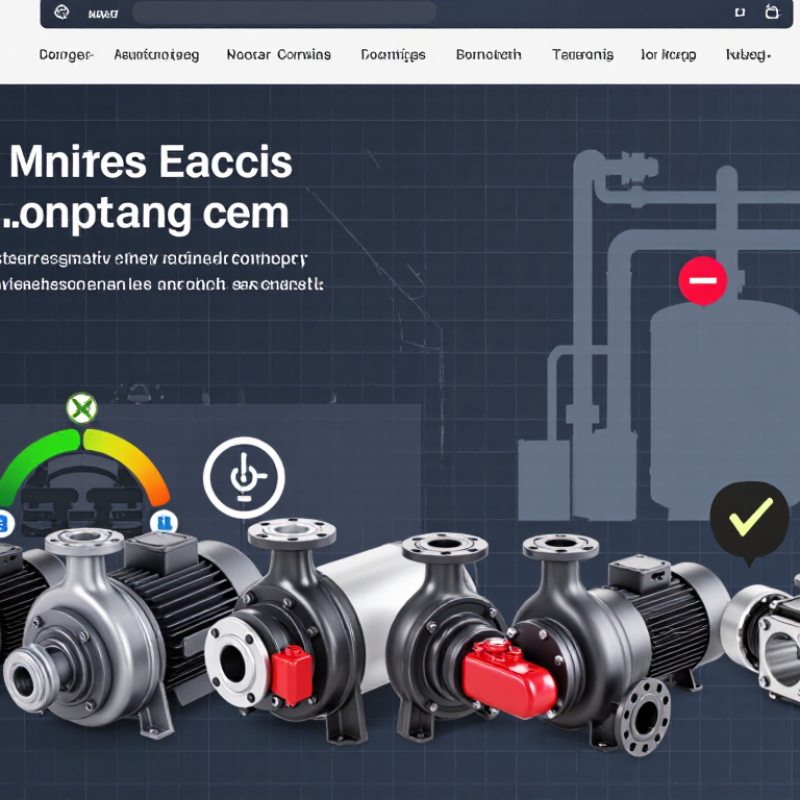
Boiler pumps are mechanical devices that move water through a boiler system. They maintain circulation between the boiler, radiators, heat exchangers, and storage tanks. Without steady flow, heated water may collect in one area, creating uneven temperatures and thermal stress. The pump is small, but its role is not.
A properly selected pump matches the system’s flow rate, pressure resistance, water temperature, and pipe layout. Engineers also check motor efficiency, seal materials, noise levels, and control compatibility. Variable-speed models can adjust circulation as demand changes. This may reduce energy use, although savings depend on correct commissioning. A pump with impressive specifications can still perform poorly when pipes are blocked or valves are partly closed.
For global buyers, reliable manufacturers should provide tested performance curves, material details, installation guidance, and traceable quality records. Technical support matters when voltage, water quality, or local heating practices differ. Regular checks should include vibration, leakage, electrical connections, and unusual sounds. A faint hum is normal; a harsh rattling sound deserves attention. In practice, maintenance teams sometimes replace a pump before checking air locks or incorrect settings. That choice can waste money. Proper diagnosis is less exciting, but usually more dependable.
Boiler pumps move water or condensate through different parts of a boiler system. The right pump depends on its duty, operating pressure and temperature, required flow, water quality, and the system layout.
| Pump Type | Role in the Boiler System | Typical Arrangement | Key Selection Factors | What Buyers Should Verify |
|---|---|---|---|---|
| Boiler feedwater pump | Delivers treated feedwater to the boiler against the pressure in the boiler and the resistance of the feedwater piping. | Centrifugal designs are common; multistage construction may be used where the required discharge pressure is high. | Required flow and discharge pressure, water temperature, suction conditions, materials, control method, and duty cycle. | Confirm the pump duty against the boiler’s operating conditions, including available suction pressure and the temperature of the feedwater. |
| Condensate return pump | Returns collected condensate from a receiver or return system to a feedwater tank or another point in the boiler water cycle. | Often installed as a receiver-mounted or separately mounted pump; configuration depends on the condensate system. | Condensate temperature, flow variation, suction conditions, receiver arrangement, and the required return pressure. | Check that the installation suits the condensate temperature and that suction piping and receiver levels meet the pump’s requirements. |
| Forced-circulation pump | Provides water circulation through boiler heating surfaces in systems designed to use mechanical circulation. | Selected for the system’s circulation path and hydraulic requirements; not every boiler uses a circulation pump. | Required circulation flow, system pressure loss, fluid temperature, materials, and compatibility with the boiler design. | Confirm that the boiler manufacturer or system designer specifies forced circulation and provides the required operating duty. |
| Hot-water boiler circulation pump | Circulates heated water through a closed-loop heating system and back to the boiler. | Usually installed in the heating circuit, with pump location and arrangement determined by the system design. | System flow, circuit resistance, water temperature, fluid compatibility, and whether variable-flow control is required. | Size the pump for the heating circuit’s design flow and pressure loss; do not select it solely by pipe size or motor power. |
| Boiler-system transfer pump | Moves water between tanks or process stages, such as transferring make-up water to a storage or feedwater tank. | May be a centrifugal or other suitable pump type, depending on the liquid and transfer duty. | Liquid properties, transfer rate, lift, pipe losses, temperature, and the possibility of solids or contamination. | Specify the liquid and operating conditions clearly, and check material compatibility and the pump’s permitted operating range. |
| Boiler make-up water pump | Supplies treated replacement water to a tank or system to compensate for water losses and maintain the required inventory. | May operate intermittently or under level control, depending on the plant arrangement. | Required fill rate, source pressure, water treatment arrangement, control signals, and discharge destination. | Coordinate pump capacity and controls with the treatment equipment, storage capacity, and boiler-house operating sequence. |
Buyer note: Pump duty points and construction requirements vary by system. Use the boiler and pump documentation, applicable local codes, and a qualified system designer to confirm final selection.
