Top Automation Systems in China for Global Buyers?
The automation systems landscape in China is evolving rapidly. According to a report by the International Federation of Robotics (IFR), China currently leads the world in the number of industrial robots. In 2021, the country accounted for nearly 40% of global robot installations. This surge highlights China's commitment to enhancing manufacturing productivity.
Chinese automation systems are not only efficient but also cost-effective. Many global buyers are looking to China as a source for high-quality automation solutions. A recent study by McKinsey emphasizes that companies implementing automation can achieve productivity gains of up to 30%. However, navigating this complex landscape can be challenging. Buyers must consider factors such as system compatibility and support services.
Yet, the bustling market presents challenges. Standards and quality may vary significantly among suppliers. Buyers should remain vigilant and conduct thorough due diligence. With the right approach, global buyers can leverage China's automation systems to enhance their operations and stay competitive in an increasingly automated world.
Top Automation Systems Overview in China
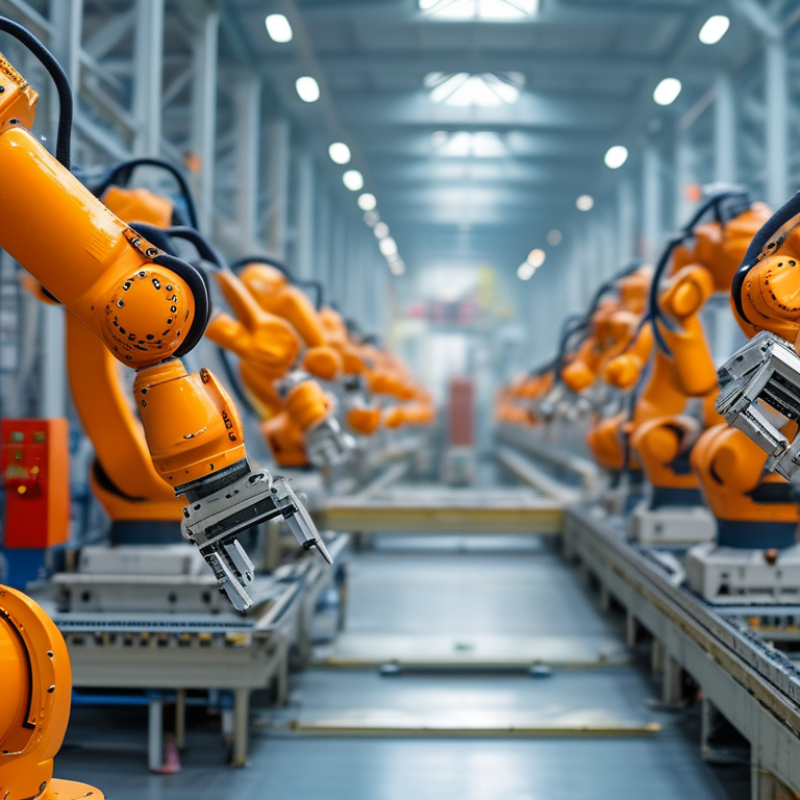
China is emerging as a powerhouse in automation systems. These technologies are crucial for manufacturing efficiency and productivity. Various sectors are leveraging automation solutions, ranging from automotive to electronics. As global buyers explore these options, they encounter a wide range of systems tailored to enhance operations.
A notable trend in China’s automation landscape is the growing adoption of smart factories. These facilities utilize IoT and AI technologies to streamline processes. Robots often handle repetitive tasks, reducing human error and increasing output. However, integration can be challenging. Companies may struggle with outdated systems, requiring careful planning and investment.
Training workers is another critical aspect of successful automation. The workforce needs upskilling to adapt to new technologies. Ensuring that employees are proficient in operating advanced machinery remains a work in progress for many firms. This is an area requiring ongoing attention and investment. Ultimately, China's automation systems offer vast potential but also present complexities that demand thoughtful consideration.
Top Automation Systems in China for Global Buyers
| Category |
System Type |
Applications |
Key Features |
Market Position |
| Industrial Automation |
PLC Systems |
Manufacturing, Process Control |
Real-time monitoring, Flexibility |
High Demand |
| Building Automation |
BMS (Building Management Systems) |
HVAC, Lighting Control |
Energy efficiency, User-friendly |
Growing Market |
| Logistics Automation |
Warehouse Management Systems |
Inventory Management, Order Fulfillment |
Real-time tracking, Optimization |
Highly Competitive |
| Process Automation |
SCADA Systems |
Oil & Gas, Water Treatment |
Centralized control, Data analysis |
Standardized Solutions |
| Robotic Automation |
Robotic Arms |
Assembly, Welding |
Precision, Speed |
Innovative Solutions |
Key Players in China's Automation Industry
China's automation industry is thriving and continually evolving. Key players drive innovations in manufacturing and service sectors. These companies focus on enhancing efficiency and productivity. Their technologies include robotics, artificial intelligence, and process automation. Suppliers are now integrating smart solutions to meet global demands.
Domestic automation firms concentrate on specific markets. They adapt technologies to fit local needs. This customization allows them to compete globally. However, not all companies succeed. Some struggle with adapting to fast market changes. Investment in research and development is crucial for overcoming challenges.
Collaboration is another important aspect. Companies often form partnerships to share expertise. These alliances create a network of innovation. They also enhance the adoption of advanced systems. However, the rapid pace of change can lead to gaps in skills. Continuous training is necessary to keep up. It’s evident that the landscape is exciting yet fraught with complexities.
Features and Technologies in Leading Automation Systems
China has rapidly become a hub for advanced automation systems, attracting attention from global buyers. These systems are marked by their cutting-edge technologies and diverse functionalities. Key features include AI integration, which enhances decision-making processes and increases operational efficiency. Smart sensors and IoT connectivity capture real-time data, providing insights for better resource management.
Moreover, the flexibility of these automation systems allows customization to meet specific industry needs. They can be adapted for various sectors, from manufacturing to logistics. However, the complexity of integration poses challenges. Many companies struggle to implement these systems without extensive training. Experts emphasize the importance of a well-structured approach for successful adoption.
Despite the advancements, there is room for improvement in user interfaces. Some automation systems can be overwhelming, hindering usability. Simplifying controls and enhancing user experience are common feedback points. As the industry evolves, addressing these issues will be crucial for wider acceptance and effectiveness in automation solutions.
Global Market Trends Influencing Chinese Automation Systems
Chinese automation systems are evolving rapidly, driven by global market trends. Many industries globally demand efficient and cost-effective solutions. Consequently, Chinese manufacturers are adapting to meet these needs. The rising emphasis on sustainability is influencing innovations within automation technology. Companies are keen on reducing energy consumption and waste.
Tips: Evaluating system energy efficiency can guide smart choices. Consider manufacturers with a focus on green technologies.
Moreover, the shift toward smart factories is reshaping how automation is approached. Industries are integrating IoT and AI into their systems for better data analytics. This integration provides deeper insights, improving operational efficiency. Yet, navigating these technologies presents challenges. Companies often struggle with data security and system compatibility.
Tips: Ensure robust cybersecurity measures are in place. Opt for modular systems that allow future upgrades and integrations.
As automation systems continue to advance, flexibility becomes crucial. Chinese manufacturers are beginning to offer customizable solutions. This adaptability helps them cater to various sectors, including manufacturing, logistics, and healthcare. However, not all companies can keep pace with this shift. Continuous training for staff is essential to fully leverage new technologies.
Considerations for International Buyers of Chinese Automation Solutions
When considering automation solutions from China, international buyers should assess several key factors. Quality is paramount. Many Chinese manufacturers offer competitive prices, but this does not always guarantee superior products. It is crucial to verify the quality of the automation systems through certifications and third-party evaluations.
Communication can be a challenge. Language barriers can lead to misunderstandings about product specifications or service agreements. Engaging a local intermediary can ease these concerns. Cultural differences also play a role; understanding local business practices can foster smoother negotiations.
Also, consider the scalability of the solutions. Many systems are designed for specific needs, but flexibility is vital for long-term success. Not all products allow for easy upgrades or adjustments. Buyers should inquire about support services and replacement parts availability. This ensures that the chosen automation system can evolve alongside their business needs.
Market Share of Automation Systems in China (2023)