Top Tips for Choosing the Best Electric Infrared Heater?
When selecting the best Electric Infrared Heater, understanding the technology's nuances is crucial. Reports indicate that electric infrared heaters are increasingly popular due to their efficiency. According to the U.S. Department of Energy, these heaters can save up to 50% on energy bills compared to conventional heating. This statistic highlights their effectiveness in providing warmth without excessive energy waste.
Consumers often overlook essential factors in their choices. Quality, safety features, and heating capacity are key aspects to evaluate. Industry standards recommend checking for certifications like UL or ETL, which ensure reliability. Also, it’s worth noting that not all models heat spaces uniformly. Some may leave cold spots, leading to discomfort and dissatisfaction.
Moreover, heating needs vary by room size and insulation. A heater efficient in one setting may struggle in another. As you dive into the selection process, balance features against personal requirements. The ideal Electric Infrared Heater should cater to both efficiency and comfort, prompting a deeper look at available options.
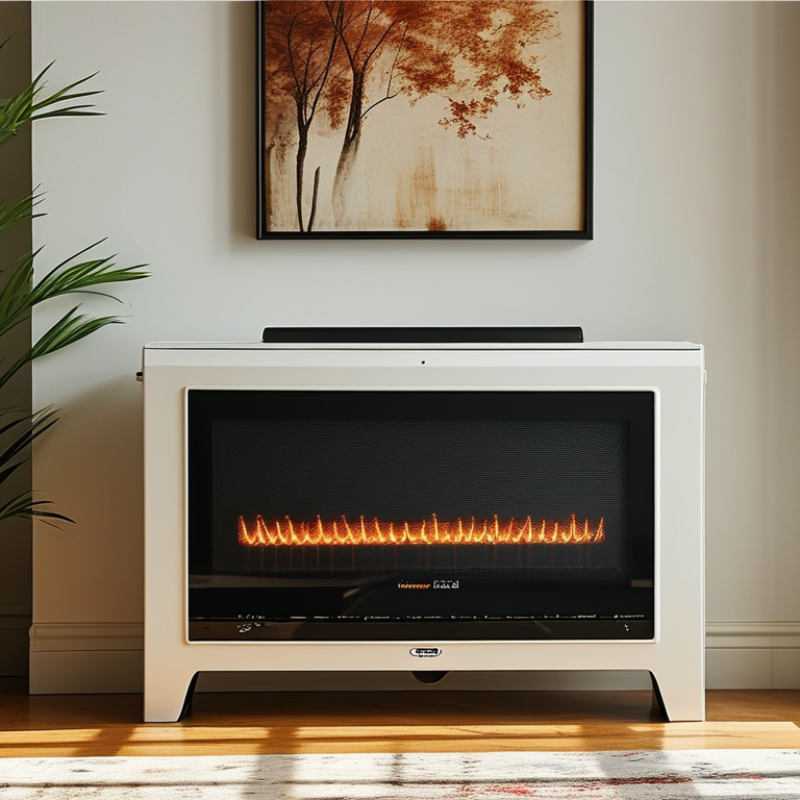
Factors to Consider When Choosing an Electric Infrared Heater
When selecting an electric infrared heater, there are several factors to keep in mind. The size of the space you want to heat is crucial. A heater that is too small will struggle, while an oversized unit may waste energy. Consider the insulation of your room too; poorly insulated areas need more powerful heaters to maintain warmth.
Next, the heater's wattage is essential. Higher wattage often translates to faster heating, but verify that it matches your needs. Different designs affect performance. Some models are portable, allowing you to move them as required. Meanwhile, fixed options provide consistent heating in a specific area. Safety features are also vital. Automatic shut-offs and tip-over protection are crucial for preventing accidents.
Don’t overlook the noise level; some heaters are quieter than others. A low noise level creates a more comfortable environment. You may find it helpful to read reviews or ask for advice. This feedback can offer insights into real-world performance. Remember, each choice has its trade-offs. Reflect on what matters most to you: efficiency, warmth, or design. Aim to choose a heater that best suits your lifestyle and needs.
Top Tips for Choosing the Best Electric Infrared Heater
| Factor | Description | Importance Level |
| Heating Area | Consider the size of the space you need to heat and choose a heater that is appropriately rated for that area. | High |
| Energy Efficiency | Look for models with high energy efficiency ratings to save on electricity bills. | Medium |
| Portability | If you need to move the heater around, opt for lightweight models with wheels or handles. | Medium |
| Safety Features | Select heaters with safety features like tip-over protection and overheat shut-off. | High |
| Type of Infrared Heater | Determine if you prefer a wall-mounted, standing, or patio model based on your needs. | Medium |
| Noise Level | Check reviews for noise levels, especially if you plan to use it in a quiet environment. | Low |
| Cost | Set a budget and find heaters that provide the best value for your needs. | High |
Types of Electric Infrared Heaters and Their Uses
Electric infrared heaters come in various types, each designed for specific uses. One common type is the panel heater, which can be mounted on walls. They provide steady warmth, great for small rooms. According to the National Association of Home Builders, infrared heaters can increase energy efficiency by up to 30%. This makes them a smart choice for homeowners aiming to lower electricity bills.
Another popular option is portable infrared heaters. They are perfect for targeted heating and can be moved from room to room. The U.S. Department of Energy highlights that these heaters can warm up to 1,000 square feet, making them suitable for larger areas. However, their functionality depends on proper placement and insulation in your home.
Outdoor infrared heaters are ideal for patios and gardens. These heaters create a comfortable environment even in colder months. The Outdoor Power Equipment Institute notes that when used effectively, they can extend outdoor living spaces by months. While these heaters are efficient, they also require careful selection to ensure they fit the outdoor area and climate conditions.
Energy Efficiency Ratings for Infrared Heaters
When selecting an electric infrared heater, energy efficiency ratings play a critical role. Government studies indicate that infrared heaters can be up to 50% more energy-efficient than traditional heating methods. This efficiency translates into noticeable savings on electric bills over time, which is essential for environmentally conscious consumers. Look for models with ENERGY STAR labels, as they meet strict energy efficiency guidelines set by the U.S. Environmental Protection Agency.
To maximize energy savings, consider the heater's wattage and size in relation to your space. A heater that is too small will work harder and consume more energy, while an oversized unit can lead to unnecessary energy waste. An effective strategy is to calculate the required wattage. A rule of thumb suggests needing about 10 watts per square foot for heating purposes.
It's worth noting that infrared heaters provide instant warmth, making them an appealing choice. However, reflect on your usage habits. If you frequently move between rooms, a portable model might be best. If your needs fluctuate, programmable settings can optimize heating schedules. Being mindful of these factors will ensure you choose an infrared heater that combines efficiency with your lifestyle.
Safety Features to Look for in Electric Infrared Heaters
When selecting an electric infrared heater, safety should be a primary consideration. Many heaters on the market today offer various safety features that can help prevent accidents. Look for models with overheat protection, which automatically shuts off the heater if it reaches unsafe temperatures. According to a report by the Electrical Safety Foundation International, approximately 3,000 fires occur each year due to overheating appliances. This statistic highlights the importance of safety features in your choice of heater.
Additionally, consider the presence of tip-over protection. Heaters can be unstable, and if knocked over, they might pose a fire risk. A study from the National Fire Protection Association indicates that nearly 50% of heating-related fires involve portable heaters. Devices that switch off automatically when tipped over can significantly reduce this risk. Furthermore, ensure the unit has a cool-touch exterior. This feature prevents burns, especially in homes with children or pets, creating a safer environment.
Keep in mind that not all safety features are created equal. Conducting thorough research is vital. Look for heaters that comply with safety certifications from recognized organizations. This could mean the difference between a secure heating experience and potential hazards. Always weigh safety along with efficiency when making your decision.
Maintenance Tips for prolonging the Life of Your Heater
Maintenance is crucial for extending the life of your electric infrared heater. Regularly checking the power cord is essential. Look for any fraying or damage. This can prevent safety hazards. Keeping the heater clean is vital too. Dust and dirt can accumulate, which affects performance. Wiping down the surface with a damp cloth often ensures better heating efficiency.
Another important aspect is proper placement. Ensure the heater is positioned away from flammable materials. Maintain a clear space around it. This not only safeguards your home but also helps the heater work efficiently. Additionally, avoid using the heater continuously for long hours. Giving it breaks can prevent overheating and damage.
Inspecting the heater regularly is key. Be mindful of strange noises or changes in operation. These can be signs that something needs attention. If you notice any issues, address them promptly. It can save you from costly repairs later. Proper maintenance goes a long way in ensuring your heater works effectively and lasts longer.