How to Succeed in Automation Engineering for Your Career Growth?
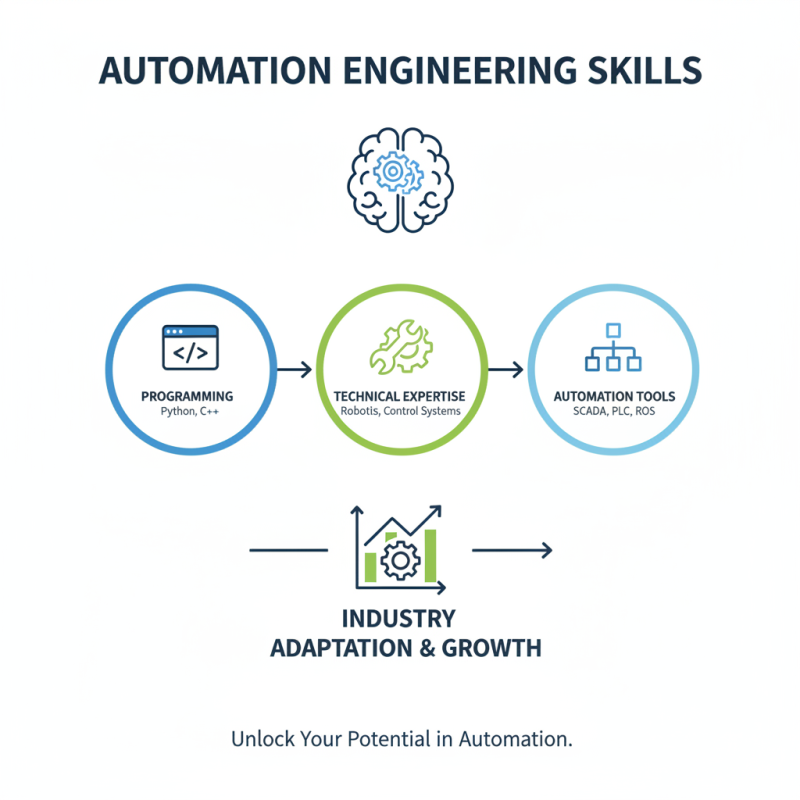
In the fast-evolving field of automation engineering, achieving career growth requires a combination of technical skills and strategic thinking. Renowned automation expert Dr. Emily Sanders emphasizes, "Success in automation engineering comes from an unyielding commitment to learning." Her words highlight the importance of continuous improvement in this competitive landscape.
Automation engineering is not just about mastering software or tools. It's about understanding systems and processes. Engineers often face challenges such as keeping up with emerging technologies. The need for adaptation is crucial. Mistakes often arise from a lack of timely knowledge or poor planning. This reality demands reflection and proactive measures.
Networking and mentorship are pivotal. Engaging with industry professionals can open doors. However, many engineers overlook the power of relationships. Building connections can lead to unexpected opportunities. A successful career in automation engineering rests on technical prowess and the willingness to evolve.

How Automation Engineering Drives Career Growth in Today's Market
Automation engineering has become a crucial driver for career growth in today’s job market. According to a report by the World Economic Forum, automation will create 97 million new jobs globally by 2025. This trend highlights the increasing demand for skilled professionals in automation engineering. Many industries are adopting automation to enhance efficiency and reduce costs.
For instance, manufacturing companies are deploying robotics to streamline production lines. This shift opens various opportunities for engineers.
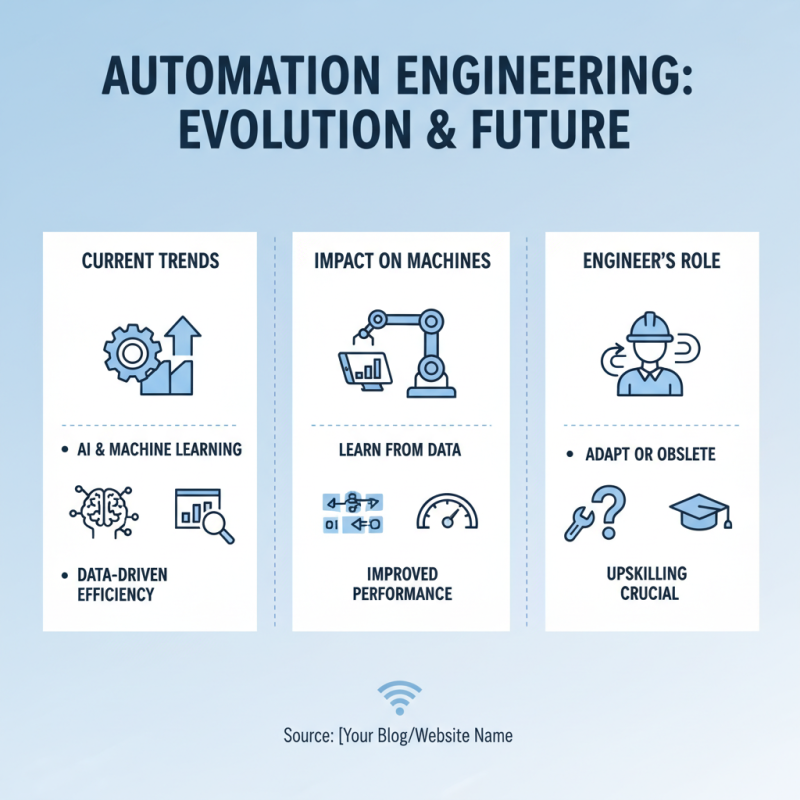
Job postings in automation engineering have surged, reflecting a workforce eager for new skills. A survey by LinkedIn indicates that roles in this field have grown by 30% in recent years. However, many professionals struggle to keep up with the rapid technological changes. Upskilling is crucial, but not everyone is prepared for it. The complexity of automation systems can be daunting. Engineers must embrace continuous learning to stay relevant.
Soft skills are equally important in automation engineering. Effective communication is key when collaborating with cross-functional teams. Engineers often face challenges in explaining technical concepts to non-technical stakeholders. This gap can hinder project success. Balancing technical expertise with interpersonal skills is essential. The market rewards those who can bridge this divide.
Impact of Automation on Job Opportunities and Salary Expectations
The landscape of job opportunities in automation engineering is rapidly evolving. According to a report by the World Economic Forum, automation is expected to displace 85 million jobs globally by 2025. However, it will also create 97 million new roles. This indicates a net positive impact on job availability, particularly in engineering, data analysis, and IT sectors. Those equipped with automation skills are likely to find more job prospects.
Salary expectations in this field are also promising. The Bureau of Labor Statistics reports that automation engineers earn a median salary of around $90,000 annually. With the increasing demand for automation skills, professionals in this sector can see their salaries rise significantly. However, competition is fierce. Many candidates are upskilling to meet industry demands. This shift makes continuous learning essential.
Not everyone adapts to these changes quickly. Some engineers may struggle with emerging technologies. A lack of proficiency in programming or data analysis can hinder career advancement. It's crucial for professionals to seek training opportunities and stay informed about industry trends. Embracing lifelong learning may be the key to thriving in this dynamic environment.
Building a Professional Network in the Automation Engineering Sector
Building a solid professional network in automation engineering is crucial for career growth. Meeting people in the industry opens doors to new opportunities. Attend conferences, workshops, and webinars to connect with like-minded professionals. Make genuine connections; don't just hand out your business card. Follow up with new contacts afterward. A simple message can go a long way.
Engage with online platforms dedicated to automation engineering. Join relevant groups on professional networking sites or forums. Share your insights and ask questions. Remember, listening is just as important as speaking. Seek feedback on your ideas, and be open to suggestions. This can lead to more significant collaborations.
Tips for effective networking include being proactive. Offer your help to others without expecting anything in return. You never know when these connections might benefit you. Showcase your achievements, but remain humble. Reflecting on your experiences shapes your growth. Networking can sometimes feel overwhelming, but consistent effort shows results. Keep nurturing those relationships over time.
Career Growth in Automation Engineering: Key Skills and Their Importance