How to Source Pulp Molding Products at the 2026 Canton Fair?
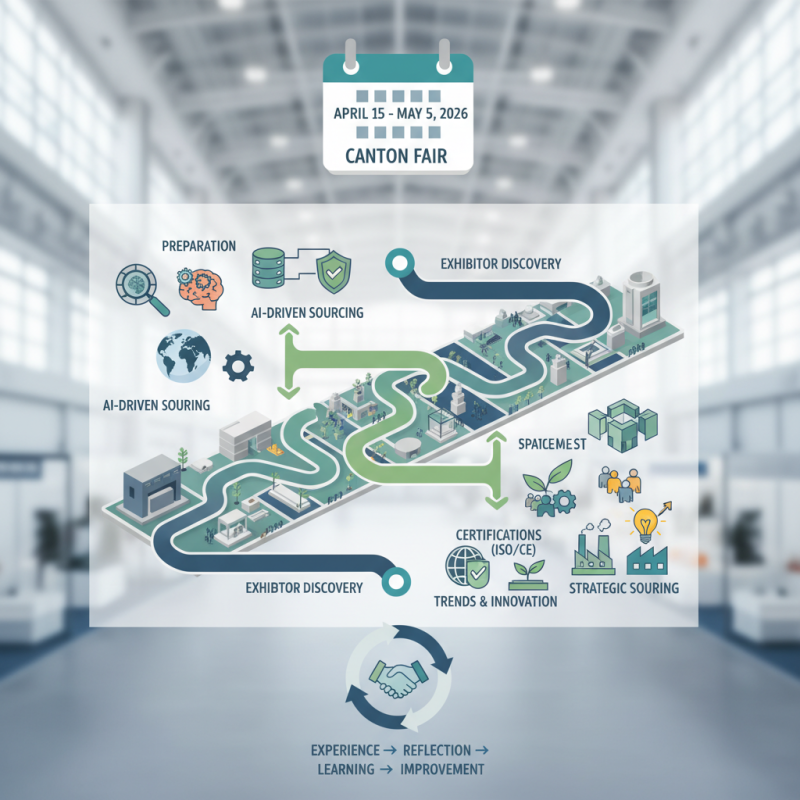
As the 2026 Canton Fair approaches, sourcing pulp-molding products offers unique opportunities. Experts like Dr. Jane Smith, a leader in the pulp-molding industry, emphasize, "The evolving market demands innovative solutions and strategic sourcing." This fair, held from April 15 to May 5, will host a diverse range of exhibitors focusing on advanced manufacturing and sustainable materials.
The introduction of AI-driven search and navigation will enhance the sourcing experience. Buyers can now find suppliers that meet specific certifications like ISO and CE. This efficiency is critical in a space that spans 1.55 million square meters. Yet, despite technological advancements, navigating this vast event can still feel overwhelming.
It's essential to come prepared. Understanding the latest trends in pulp-molding will give a competitive edge. However, it's easy to get sidetracked or overlook key suppliers. Reflection on past experiences can guide better decision-making this year. Being open to learning from mistakes is crucial in this dynamic industry.
Understanding Pulp Molding Products and Their Benefits
Pulp molding products are becoming increasingly popular in various industries. They are made from recycled paper pulp, which makes them eco-friendly. This sustainable approach not only reduces waste but also offers versatility in design and usage. You can find these products in packaging, tableware, and even floral arrangements. Their lightweight nature makes them easy to transport and use, yet they still provide durability.
One significant benefit of pulp molding is its biodegradability. Unlike plastic, these products break down naturally over time. This quality is especially appealing to environmentally-conscious consumers. However, companies should be aware that pulp molding products can sometimes be costlier than traditional materials. Balancing environmental benefits with budget constraints can be challenging. Understanding the needs of your target market is crucial.
Attending the 2026 Canton Fair will provide valuable insights into pulp molding options. You can connect with manufacturers, learn about new innovations, and explore a variety of designs. It's an opportunity worth considering, even if it feels overwhelming at first. The fair will showcase many suppliers, but navigating these choices requires careful reflection on your brand's values and goals.
Understanding Pulp Molding Products and Their Benefits
Key Factors to Consider When Sourcing at the Canton Fair
When sourcing pulp molding products at the 2026 Canton Fair, several key factors come into play. It’s crucial to identify potential suppliers ahead of time. Research exhibitors and understand their product ranges. Create a shortlist of companies that match your needs. This preparation can save you valuable time.
Effective communication is essential during the fair. Consider language barriers that may arise. Use simple and clear language when discussing requirements. Take notes on product specifications and pricing details. This approach helps avoid misunderstandings later. Be prepared to negotiate, as prices may vary significantly.
Quality control is vital. Ask for samples before making commitments. Inspect the products closely. Are they meeting your standards? This can reveal production issues and help you make informed choices. Trust your instincts, but also check references. This could prevent future disappointments.
Remember, sourcing is not just about finding the cheapest option. It's about building long-term relationships. Some suppliers may promise low prices but compromise on quality. Reflect on what matters most for your business success.
Step-by-Step Guide to Navigating the Canton Fair for Pulp Molding
Navigating the Canton Fair in 2026 can be a rewarding experience for sourcing pulp molding products. Prepare yourself with a solid plan before attending. Start by researching exhibitors that specialize in pulp molding. Make a list of key booths. This will help you maximize your time at the fair.
Once at the venue, be open to exploring. Not every innovative product is found in the main hall. Some gems may hide in smaller booths. Engage with exhibitors. Ask questions about their manufacturing processes and sustainability practices. This information can influence your purchasing decisions.
Take notes during your conversations. Jot down product details, pricing, and potential collaborations. However, be mindful of what you learn. Not every product will meet your quality standards. Reflect on your initial impressions versus the information gathered. Sometimes, what seems appealing at first may not hold up under closer scrutiny.
Identifying Reliable Suppliers for Pulp Molding Products
When sourcing pulp molding products, identifying reliable suppliers is crucial. Statistics show that the global market for pulp molding is projected to reach $2.5 billion by 2025. This growth highlights the increasing demand for eco-friendly packaging. However, not all suppliers meet quality standards.
Look for suppliers with certifications like ISO 9001. This ensures they maintain consistent quality. Some reports indicate that around 70% of manufacturers claim to have these certifications, but verification is essential. Check their production capabilities. Some suppliers may promise high volumes but lack the necessary equipment.
Examine product samples carefully. Poorly made products can lead to customer dissatisfaction. Misalignment in production can happen if the supplier doesn't understand your specifications. Always request detailed information on their production process. Transparency can help build trust. Not every supplier will meet your expectations. It’s a challenge, but investing time in research pays off in the long run.
How to Source Pulp Molding Products at the 2026 Canton Fair? - Identifying Reliable Suppliers for Pulp Molding Products
| Supplier Type | Product Range | Location | Minimum Order Quantity | Lead Time | Payment Terms |
| Manufacturer | Cup, Tray, Container | Guangdong, China | 500 | 30 days | 30% deposit, 70% before shipment |
| Wholesaler | Plate, Bowl | Zhejiang, China | 1000 | 45 days | Cash on delivery |
| Distributor | Custom Shapes, Biodegradable Products | Fujian, China | 300 | 20 days | 50% upfront, 50% on delivery |
| Exporter | Eco-friendly Packaging | Shanghai, China | 250 | 60 days | Letter of credit |
Ensuring Quality Control and Compliance in Pulp Molding Sourcing
Sourcing pulp molding products at the 2026 Canton Fair requires careful attention to quality control and compliance. According to a recent industry report, nearly 30% of businesses face challenges in ensuring product quality in sourcing. This underscores the need for diligence when selecting suppliers.
Inspect your suppliers’ certifications. Many reliable producers will hold ISO certifications, indicating their commitment to quality. Conducting factory audits ensures that production standards are met. Not all suppliers may maintain consistent quality, so it’s wise to establish strong relationships with those who do.
Tips: Always request samples before final orders. This helps you assess the product firsthand. Look into their sourcing materials, too. Quality pulp can significantly impact the final product's durability. Occasionally, suppliers might cut corners. Make sure you check for transparency in their production processes.
Compliance with local regulations is vital. Many countries have strict guidelines on packaging materials and environmental impact. Failure to comply can result in costly delays. Research regulatory requirements in your market to avoid surprises later.