How to Source Opp Plastic Packaging at the 139th Canton Fair?
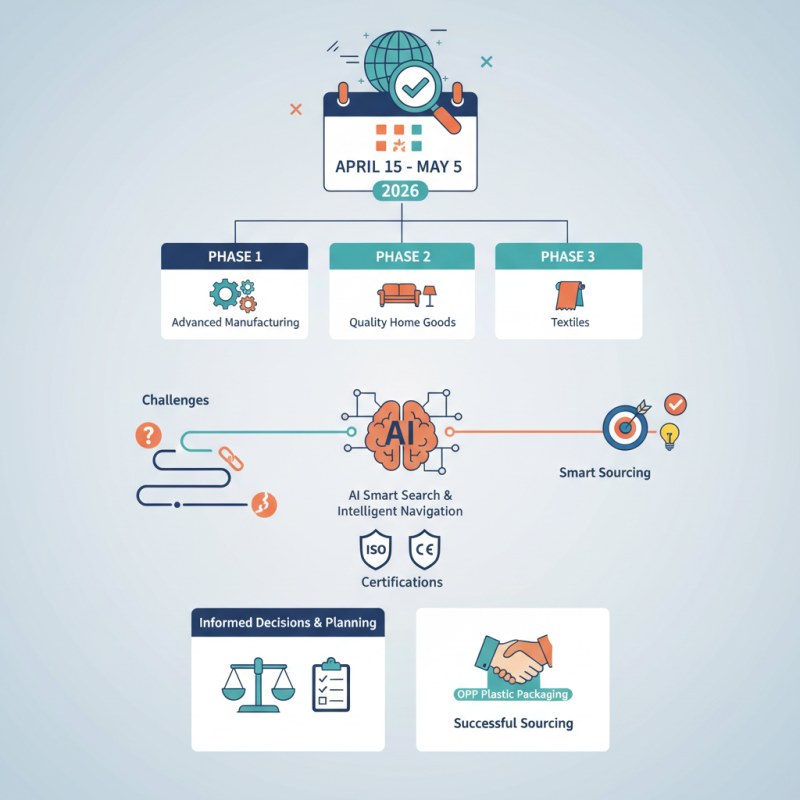
Attending the 139th Canton Fair offers a unique opportunity to source Opp Plastic Packaging. This event is crucial for anyone looking to expand their product offerings. The fair runs from April 15 to May 5, 2026, with specific focus areas across three phases. Advanced manufacturing, quality home goods, and textiles are central themes of this year's fair.
Navigating a large venue can be daunting. The introduction of AI smart search and intelligent navigation simplifies this process. Buyers can quickly find suppliers who meet their requirements, such as ISO and CE certifications. This can drastically reduce time spent searching through 1.55 million square meters of exhibition space.
However, sourcing Opp Plastic Packaging is not without challenges. It requires diligence and proper planning. Not all suppliers may meet quality standards. Buyers should consider their specific needs and keep track of potential risks. Making informed decisions is key to a successful sourcing experience at the Canton Fair.
Understanding the Importance of OP Plastic Packaging in Global Trade
OP plastic packaging plays a vital role in global trade. It is lightweight yet durable, making it ideal for transporting goods. This type of packaging protects products from moisture and physical damage during shipping. Many industries rely on OP plastic to maintain product integrity. Understanding its benefits can enhance your sourcing strategy.
Tips for sourcing OP plastic packaging at the Canton Fair:
- Identify your needs clearly. Are you looking for specific sizes or colors? Knowing what you want saves time.
- Network with suppliers. Engage in conversations. Discuss their production processes and quality control measures. Genuine suppliers will be open about their methods.
- Evaluate samples meticulously. Take the time to assess the quality. Check for flexibility and strength. These details can impact your product presentation.
Consider the
sustainability aspect as well. Many manufacturers are now focusing on eco-friendly options. Ask about their materials and recycling processes. It shows your commitment to
environmentally responsible sourcing.
Ultimately, sourcing OP plastic packaging effectively requires careful thought. It is not just about finding a supplier; it’s about building lasting relationships and ensuring quality.
Identifying Key Suppliers of OP Plastic Packaging at the Canton Fair
At the 139th Canton Fair, sourcing OP plastic packaging can be an insightful experience. Many suppliers showcase innovative solutions. According to market reports, the global demand for plastic packaging is projected to reach over $500 billion by 2025. This growth highlights the importance of finding reliable partners in this sector.
Visitors should look closely at supplier booths. Details matter—product samples and material compositions are crucial. Industry studies indicate that sustainable packaging options are becoming significant. A surprising 30% of buyers now prioritize eco-friendly solutions when selecting suppliers. Observing trends at the fair can help inform future decisions.
Networking is vital at trade shows. Building relationships with suppliers creates opportunities for collaboration. However, not all suppliers meet quality standards. Careful evaluation is necessary to avoid pitfalls. Conversations with multiple vendors can provide insights into their reliability and product offerings. Neglecting this step may lead to unexpected challenges later.
How to Source Opp Plastic Packaging at the 139th Canton Fair?
| Supplier Type | Location | Annual Production Capacity | Certifications | Minimum Order Quantity | Lead Time |
| Manufacturer | Guangdong | 500 tons/month | ISO 9001, ISO 14001 | 1000 units | 30 days |
| Exporter | Zhejiang | 750 tons/month | BRC, FDA | 500 units | 20 days |
| Wholesaler | Shanghai | 300 tons/month | CE, SGS | 300 units | 15 days |
| Distributor | Beijing | 400 tons/month | ISO 22000 | 800 units | 25 days |
Evaluating Sustainable Practices in OP Plastic Packaging Manufacturing
Sustainability in OP plastic packaging is becoming essential. The demand for eco-friendly solutions is rising. According to a recent industry report, 60% of consumers prefer sustainable packaging. This trend impacts manufacturers significantly. They must adapt quickly to meet changing preferences.
Evaluating sustainable practices in OP plastic manufacturing involves several factors. Many producers look to reduce carbon emissions. A 2022 study found that utilizing recycled materials can cut emissions by up to 30%. However, sourcing high-quality recycled materials remains a challenge. Quality varies greatly, affecting overall product integrity.
Moreover, transparency in supply chains is crucial. Many manufacturers struggle with tracking sustainable practices. A lack of standardized metrics complicates evaluation. While some companies implement innovative techniques, others lag behind. This disparity highlights a need for industry-wide commitment.
Sustainable growth requires ongoing reflection and adaptation.
Navigating Pricing Trends for OP Plastic Packaging in 2023
Navigating the pricing trends for OP plastic packaging in 2023 can be a complex task. As the market evolves, understanding cost fluctuations is crucial. Many factors influence these trends. Supply chain disruptions and raw material price changes are significant contributors. In recent months, some prices have stabilized, but uncertainty remains.
Tips to keep in mind:
Monitor global oil prices. These directly impact plastic production costs. A small change can lead to significant price adjustments. Also, consider suppliers’ location. Shipping costs vary widely, affecting overall pricing.
Be aware of seasonal demand. Certain periods see heightened interest in packaging materials. This can lead to spikes in pricing. Are you ready to negotiate? Transparent communication with suppliers can yield better deals. However, do not overlook the importance of quality. Sometimes, cheaper options come with hidden costs.
Pricing trends can be a double-edged sword. While lower prices may seem attractive, it is essential to assess the long-term implications. Stay informed and adapt to changes swiftly.
Pricing Trends for OP Plastic Packaging at the 139th Canton Fair
Tips for Effective Negotiation with OP Plastic Packaging Suppliers
When sourcing OP plastic packaging at the 139th Canton Fair, effective negotiation with suppliers is crucial. Know your needs clearly before engaging. Understand market prices and have a budget in mind. This will give you leverage when discussing terms.
Tips for effective negotiation include building rapport with suppliers. A friendly conversation can go a long way. Don’t rush through discussions; take your time. Ask questions about products and their production processes. This will show your interest and may lead to better deals.
Be prepared for haggling. Suppliers expect some back-and-forth. If a price feels too high, don't hesitate to negotiate. Point out competitors' prices if necessary. Have a clear idea of what you want, but remain flexible. Sometimes, the best offers come from understanding and patience. Keep an open mind throughout the process.