How Process Automation is Transforming China Top Supply Chains?
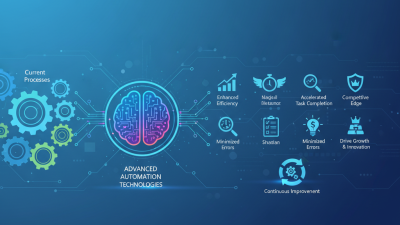
In recent years, process automation has emerged as a pivotal force in transforming supply chains in China. The rapid adoption of advanced technologies is reshaping traditional logistics. Companies are increasingly integrating robotics and AI to enhance efficiency. This shift not only streamlines operations but also boosts productivity. As a result, businesses are experiencing significant reductions in operational costs.
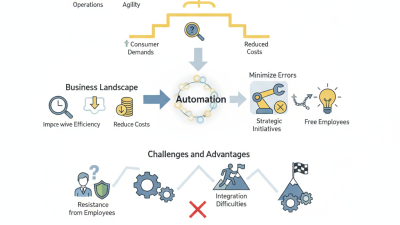
However, the transition to process automation is not without its challenges. Many firms struggle with technology adoption and employee training. Concerns about job displacement are also prevalent. These hurdles highlight the need for careful planning and implementation strategies. Effective communication within organizations can alleviate resistance and promote a smoother transition.
The impact of process automation goes beyond mere efficiency gains. It fosters innovation and enables companies to respond quickly to market changes. Enhanced data analytics empower supply chain managers to make informed decisions. Ultimately, embracing this trend can provide a competitive edge in the dynamic Chinese market. However, a balanced approach is crucial to ensure long-term sustainability.
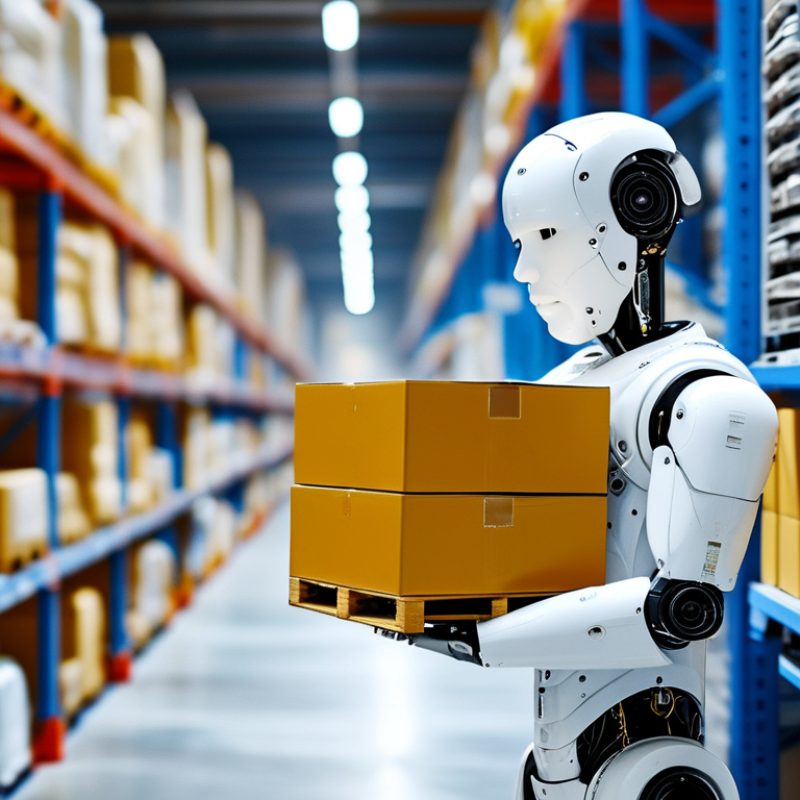
The Role of Process Automation in Enhancing Supply Chain Efficiency
Process automation is significantly reshaping supply chain efficiency in China. According to a report by McKinsey, companies that adopted automation saw a 30-50% reduction in logistics costs and a 20% increase in order accuracy. This transformation is essential, as supply chains face increasing complexity due to global demand fluctuations and market uncertainties. Implementing automation can streamline operations, reduce manual errors, and improve response times.
Using process automation tools helps businesses manage inventory more effectively. These tools enable real-time tracking and forecasting, reducing excess stock and stockouts. A study by Deloitte revealed that organizations using advanced analytics and automation could reduce inventory levels by up to 25%. However, the transition can be challenging. Training staff to adapt to new technologies is crucial. Technical glitches and integration issues often arise, requiring careful planning and oversight.
Investing in automation not only enhances efficiency but can elevate overall productivity. Companies often experience lower operational risk and higher adaptability. Yet, some firms hesitate due to initial costs and potential disruptions. It’s vital to analyze ROI critically. Conducting pilot programs can provide insights before full implementation. Emphasizing incremental changes allows businesses to learn and adapt gradually.
Current Trends in Automation Technologies Used in Chinese Supply Chains
Process automation is reshaping supply chains in China, particularly in manufacturing and logistics. Robotics and artificial intelligence are at the forefront. According to a 2023 report by McKinsey, over 60% of Chinese companies have implemented some form of automation, targeting efficiency and cost reduction. This shift is vital as consumer demand continues to rise.
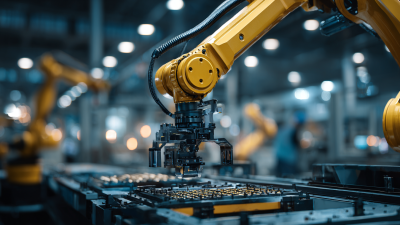
Recent data reveals that automation technologies can reduce operational costs by up to 30%. Automated warehouses are increasingly common, utilizing robotic systems for quick inventory management. However, challenges remain. Many companies struggle with the integration of new technologies. Transitioning to automation requires significant investment in training and infrastructure. Nearly 50% of organizations report difficulties in adopting these technologies effectively.
Automation also enhances visibility in supply chains. Real-time data analytics provides better decision-making tools. Yet, reliance on technology introduces risks, such as cybersecurity threats. Companies must remain vigilant to protect their data. Balancing automation and human oversight is crucial to sustain productivity and resilience in these systems.
Case Studies: Successful Implementation of Automation in Top Chinese Firms
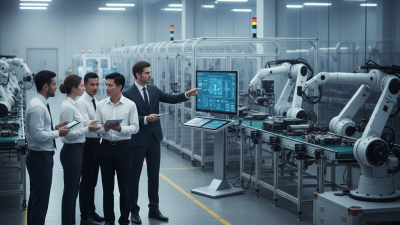
Process automation is reshaping supply chains across China. Various leading firms are integrating advanced technologies into their operations. One company revamped its inventory management system, using AI to predict demand. This change minimized waste while ensuring that products were always available. The adoption of smart robotics on assembly lines also streamlined production, reducing labor costs.
Another example involves a logistics firm that implemented automation in its delivery processes. With GPS tracking and automated scheduling, the company improved its delivery efficiency significantly. They faced challenges, especially with workforce training. Transitioning employees to new roles required time and investment. Despite initial hurdles, the firm achieved faster delivery times and higher customer satisfaction.
These case studies illustrate both the potential benefits and the obstacles of automation. Not every attempt has led to success. Some companies struggled with integration issues and employee pushback. Reflecting on these experiences helps businesses understand that careful planning and employee engagement are crucial for effective implementation.
Challenges and Solutions in Adopting Automation in Supply Chains
The adoption of process automation in China's supply chains presents significant challenges amid rapid technological advancements. One major hurdle is the initial investment cost. A report by Deloitte highlights that up to 30% of organizations view budget constraints as a key barrier. Smaller businesses often struggle to allocate funds for automation technologies. This leads to a disparity where only larger firms can effectively leverage automation.
Moreover, there is a skills gap in the workforce. A survey conducted by McKinsey found that nearly 50% of companies encountered difficulties in finding talent skilled in automation technologies. The lack of training programs further exacerbates this issue, as many workers are not prepared for shifts brought about by automation. Companies need to invest in upskilling their staff to fully realize automation's potential.
Integrating automated systems also poses technical challenges. Many supply chains in China are still reliant on legacy systems that are incompatible with modern technology. A report from PwC indicates that about 40% of supply chain leaders noted integration issues as a barrier. This situation demands a critical evaluation of current infrastructures and a phased approach to technology adoption. Close collaboration with tech providers can help ensure smoother transitions.
Future Prospects: The Evolution of Supply Chains in China with Automation
The evolution of supply chains in China is undergoing significant transformations due to process automation. A report by McKinsey indicates that automation could boost productivity in supply chains by up to 30% by 2030. This shift is critical as companies face rising costs and seek greater efficiency. Robotics and AI technology streamline operations, reduce human error, and enhance responsiveness to market demands.
Challenges also persist. Implementing automation requires substantial investment and skilled talent, areas where many firms still lag. A recent study by PwC highlights that only 25% of businesses in China have a comprehensive automation strategy. Without proper planning, companies may struggle to adapt, losing their competitive edge in a rapidly evolving market.
Automation opens up new opportunities too. The development of smart factories can lead to enhanced collaboration across the supply chain. Real-time data analytics allows for better inventory management and forecasting. However, organizations must remain cautious. Transitioning to heavily automated environments can disrupt existing workflows and employee morale. Balancing automation with human input is essential.
The takeaway for companies exploring automation in supply chains is to start small. Pilot projects can provide valuable lessons without overwhelming the workforce. Continuous training and gradual integration can yield smoother transitions while minimizing risks. Establishing a clear strategy will help in navigating the complexities of this technological evolution.