10 Packaging Automation Tips to Streamline Your Operations?
In today's fast-paced manufacturing landscape, packaging automation has become essential for efficiency. According to recent reports from the Packaging Automation Alliance, nearly 70% of companies find that automated packaging systems reduce operational costs significantly. Automation doesn't just save money; it also enhances speed and accuracy.
However, businesses must not rush into automation blindly. Many companies faced setbacks due to inadequate integration. A staggering 40% of organizations reported challenges when implementing new systems. This highlights the importance of careful planning. Even with the right tools, failure can occur without a clear strategy.
Furthermore, consumer expectations are shifting. Customers now demand faster delivery and sustainable packaging. Companies that neglect these preferences face potential losses. Striking a balance between automation and maintaining quality remains a challenge. Employing the right packaging automation techniques can help streamline operations while adapting to evolving market needs.

Understanding the Importance of Packaging Automation in Operations
Packaging automation plays a crucial role in enhancing operational efficiency. Automating packaging processes reduces time spent on manual tasks. For instance, robotic arms can speed up the filling and sealing of containers. This leads to faster product turnaround, which is vital for meeting customer demand.
Moreover, packaging automation minimizes errors that often occur with manual labor. Mislabeling can create confusion and delay shipments. Automated systems ensure consistency and accuracy, reducing the risk of costly mistakes. However, implementing such systems requires upfront investment and careful planning. Companies must assess their unique needs before diving into automation.
While automation brings many benefits, it's not without its challenges. Employees may need retraining to adapt to new technologies. Change can be met with resistance. Additionally, maintenance of automated machines is crucial to avoid downtime. Regular checks can mitigate unexpected failures. It’s vital to balance automation with human oversight to ensure smooth operations.
Choosing the Right Packaging Equipment for Your Business Needs
When selecting packaging equipment, it’s essential to align choices with your unique business needs. Each operation is distinct. Consider your product dimensions and weight. Think about the speed required for your production line. The right equipment can significantly enhance efficiency and reduce costs.
Explore options that offer flexibility. Specialized machines can adapt to different products but may cost more initially.
However, not all companies know what they need. Sometimes, businesses overestimate their requirements. A flashy machine looks appealing but may not be practical.
Analyze your output volume and growth projections. Investing in too much machinery can lead to wasted resources. Moreover, maintenance and operator training require additional time and budget.
Take into account the total cost of ownership. This involves not just the purchase price but also upkeep. Sometimes, older technologies are more reliable and cheaper to maintain. Meanwhile, some businesses ignore the importance of user-friendly equipment. If employees struggle to operate machines, productivity declines. Regularly reassess your equipment decisions. Flexibility in choice ensures that you adapt in a changing market. Choose wisely; every detail matters.
Implementing Integrated Software Solutions for Seamless Operations
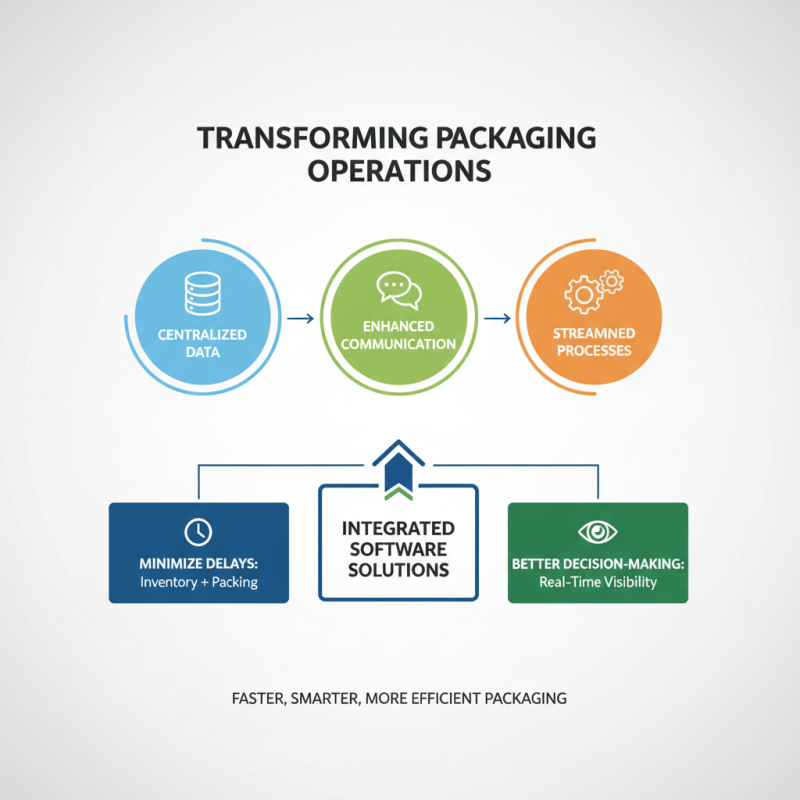
In today’s fast-paced market, implementing integrated software solutions can transform packaging operations. This approach centralizes data and enhances communication among teams. For instance, integrating inventory management with packing processes minimizes delays. Real-time visibility allows for better decision-making.
One essential tip is to choose software that supports your specific needs. Not all solutions are designed equally. Consider functionality, scalability, and user-friendliness. It’s also vital to ensure smooth integration with your existing systems. A mismatch can create confusion rather than solve it.
Another tip is to provide adequate training for your team. Even the best software won’t yield results if users struggle to adapt. Ongoing support and a feedback loop can help address issues. This ensures everyone is on the same page, reducing errors. Thoughtful implementation makes a significant difference. In packaging, the smallest tweaks can yield remarkable efficiency.
Training Your Staff to Maximize the Benefits of Automation
Training your staff is vital for maximizing automation benefits. A comprehensive training program should cover both the technology and the processes involved. In practice, regular hands-on sessions allow employees to familiarize themselves with new equipment. They learn to troubleshoot minor issues quickly and safely. This prevents delays in production and builds confidence in their roles.
Creating a feedback loop is also essential. Employees can share their challenges and successes, fostering a culture of continuous improvement. It might be beneficial to allow staff to voice their opinions on the automation tools. Some may find certain features useful, while others might struggle with specific processes. This insight can guide further training sessions. Their feedback could inform adjustments that enhance workflow.
Monitoring performance post-training is necessary. Track key metrics to see if automation is indeed streamlining operations. If not, reflect on the training program. Are employees utilizing the tools effectively? Perhaps the pace of training needs adjustment. Training is never truly complete; it evolves with technology and operational changes.
Measuring Success: Key Metrics for Packaging Automation Efficiency
Measuring the success of packaging automation requires clear metrics. Efficiency rates can reflect improvements. According to recent industry reports, companies can see efficiency gains of up to 30% after implementing automated solutions. It isn't just about speed; consistency also matters. Variability in pack sizes and fill levels can impact customer satisfaction.
Tracking waste is crucial. A study found that reducing waste in packaging can lead to savings of 20% in material costs. Real-time data collection helps identify problems quickly. This agile approach can prevent costly errors. Metrics like downtime, output rate, and return on investment provide essential insights.
Yet, obtaining accurate metrics can be challenging. Various factors influence performance. Seasonal fluctuations in demand can skew results. Moreover, employee training affects output. Without proper skills, even the best automation systems may underperform. Balancing these elements is key for a successful strategy. Continuous evaluation and adjustment are necessary for sustained improvement.
10 Packaging Automation Tips to Streamline Your Operations
| Tip Number |
Tip Description |
Expected Efficiency Gain (%) |
Implementation Difficulty (1-5) |
| 1 |
Conduct an automated equipment audit |
15 |
3 |
| 2 |
Invest in smart labeling systems |
20 |
4 |
| 3 |
Optimize your layout for workflow |
10 |
2 |
| 4 |
Utilize robotics for packing processes |
25 |
5 |
| 5 |
Implement real-time monitoring systems |
18 |
4 |
Measuring Success: Key Metrics for Packaging Automation Efficiency
| Metric |
Current Value |
Target Value |
Improvement (% of current) |
| Overall Equipment Effectiveness (OEE) |
65% |
80% |
23% |
| Packaging Cycle Time |
3 minutes |
2 minutes |
33% |
| Production Downtime |
10% |
5% |
50% |
| Material Waste |
8% |
3% |
62.5% |
| Labor Cost per Unit |
$0.50 |
$0.30 |
40% |