Why is Offset Printing Inspection Crucial for Quality Control?
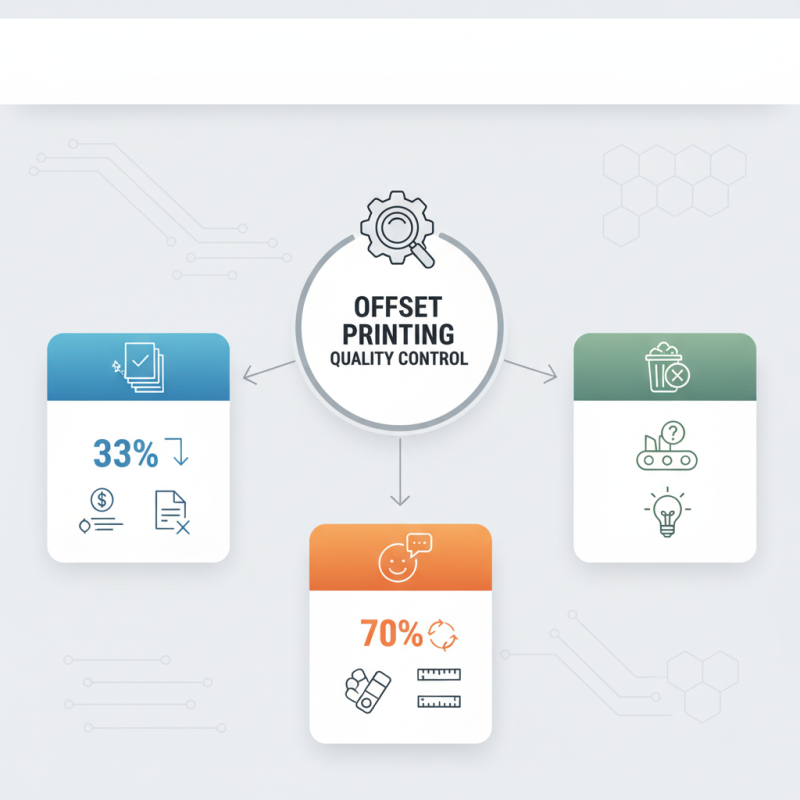
Offset printing remains a cornerstone in the printing industry, valued for its high-quality output and efficiency. As businesses strive for excellence, "Offset Printing Inspection" has emerged as a critical component of quality control. According to the industry report by Smithers Pira, approximately 33% of print production costs can be attributed to defects and reworks. This statistic underscores the need for rigorous inspection processes.
The importance of Offset Printing Inspection lies not only in ensuring print fidelity but also in enhancing customer satisfaction. Research indicates that 70% of customers switch brands after experiencing poor print quality. Effective inspection measures help identify discrepancies in color accuracy and print alignment, which can significantly impact the final product.
Despite the technology available, many printers still overlook the necessity for thorough inspection. This can lead to unintentional errors in production, resulting in increased waste and dissatisfied clients. Reflecting on these challenges prompts the industry to reevaluate inspection protocols continually, ensuring the standard of excellence in offset printing.
The Importance of Offset Printing in the Publishing Industry
Offset printing plays a pivotal role in the publishing industry. It delivers high-quality images and text, making it the preferred method for books, magazines, and newspapers. According to the Printing Industries of America, offset printing accounts for approximately 40% of all printing operations in the US. This process guarantees consistent quality, crucial for maintaining reader engagement and trust.
Quality control in offset printing is essential. During production, minute errors can lead to significant discrepancies. Research shows that 70% of print defects arise from improper color management and registration issues. Regular inspection of the printing plates and paper stock ensures that the final product meets industry standards. Additionally, businesses that invest in quality control see a 30% reduction in waste and reprints, according to a recent industry report.
Even with advanced technologies, defects still occur. It’s vital to address these challenges head-on. Inspecting the printing process not only catches errors early but also fosters continuous improvement. Publishers must recognize that overlooking these inspections can lead to unsatisfactory print runs. Maintaining quality in offset printing is an ongoing effort that ultimately affects the credibility and visibility of published works.
Understanding the Basics of Offset Printing Technology
Offset printing is a widely used method in the printing industry, known for its precision and efficiency. This technology involves transferring ink from a plate to a rubber blanket, then to the printing material. According to the Printing Industries of America, offset printing accounts for about 40% of all printed materials due to its ability to produce high-quality images consistently. Each step in the offset printing process requires close monitoring to ensure the final output meets quality standards.
One challenge in offset printing is maintaining color accuracy. A report from Smithers Pira indicates that inaccuracies in color reproduction can lead to significant waste, with up to 30% of prints being discarded for failing quality checks. Effective inspection systems can minimize these issues by verifying color consistency throughout the print run. This emphasizes the importance of implementing quality control measures in offset printing, from pre-press setup to final output inspection.
Understanding the fundamentals of offset printing technology allows for better quality assurance practices. Training staff on best practices in monitoring and inspection can lead to improved print results. Investing in advanced inspection technology can help detect flaws early in the process, thereby ensuring a high-quality final product. However, many print houses still struggle with effective quality assurance, indicating a need for reflection and improvement in this area.
Key Components of Quality Control in Offset Printing
In offset printing, quality control is vital. It ensures that each print run meets specific standards. One key component of quality control is color consistency. Colors must match the design precisely. Minor shifts in ink formulation can lead to significant differences. Regular color checks and calibration of printing machines are essential.
Another critical aspect is registration accuracy. Poor registration leads to blurry images. Inspecting the alignment of colors prevents these issues. It requires thorough monitoring throughout the printing process. If misalignment occurs, it can compromise the entire project.
Additionally, substrate quality cannot be overlooked. The paper or material used affects the final result. Each type of substrate reacts differently with ink. Understanding these interactions is crucial. Testing samples before full production may help identify potential problems. However, often manufacturers overlook this step, which can lead to wasted resources and time. Quality control in offset printing demands diligence and critical assessment at every stage.
Offset Printing Quality Control Metrics
Methods of Inspection Used in Offset Printing
In offset printing, quality control is paramount. Inspection methods ensure that printed materials meet industry standards. Various techniques can be utilized to uphold this quality. Visual inspection remains a staple. Trained operators examine prints for color consistency and defects, detecting variations before large-scale runs. According to industry reports, ineffective inspections account for 30% of print waste, stressing the importance of this task.
Another method is automated inspection. Advanced systems use cameras to scan each print for errors. These machines can quickly identify misalignments, color discrepancies, or ink density issues. Studies show that automation reduces inspection times by up to 50%, thus improving efficiency. Yet, reliance on technology can lead to oversight of more subtle defects. Manual checks are crucial here to ensure high standards.
Tips: Regular training for staff on inspection techniques enhances their ability to spot issues. Implementing a dual-layer inspection process, combining manual and automated checks, leads to better results. Additionally, establishing a feedback loop helps refine inspection processes, ensuring continuous improvement in print quality.
Impact of Inspection on Final Product Quality and Customer Satisfaction
Offset printing inspection plays a vital role in ensuring high-quality outcomes. It directly impacts the final product quality and overall customer satisfaction. When defects occur, they can lead to disappointment among clients. The inspection process helps to catch these issues early, preventing costly reprints and wasted materials.
Attention to detail is essential in offset printing. Even subtle misalignments or color variations can affect the product's appearance. Regular inspections ensure that every print meets the specified standards. This commitment to quality enhances brand reputation, and customers are more likely to return for future projects.
Although inspection processes are essential, they are not foolproof. Occasionally, defects slip through the cracks, surprising both printers and clients. Continuous improvement in inspection methods can help minimize these occurrences. Open communication with customers about quality expectations is necessary. It fosters trust and allows for adjustments, meeting the evolving needs of the market.
Why is Offset Printing Inspection Crucial for Quality Control?
| Inspection Method | Impact on Final Product Quality | Impact on Customer Satisfaction | Frequency of Inspection |
| Visual Inspection | Identifies visible defects and color consistency issues | Increases likelihood of customer satisfaction due to visible quality | At every print run |
| Color Matching | Ensures accurate color reproduction | Enhances brand consistency, improving long-term customer loyalty | Every 1000 prints |
| Print Density Checks | Ensures text and images are legible and visually appealing | Mitigates customer complaints about clarity and visibility | Hourly during production |
| Physical Sample Testing | Confirms that finished products meet specifications | Boosts confidence in the product's quality | At the end of production batches |