What is Molded Fiber Packaging Benefits and Uses for Buyers?
Molded Fiber Packaging is gaining traction in the sustainable packaging industry. This eco-friendly material, primarily made from recycled paper and pulp, offers substantial benefits for various sectors, including food service and electronics. According to a report by Smithers Pira, the molded fiber packaging market is expected to grow by 5.3% annually, reflecting a shift towards greener alternatives.
Experts emphasize its importance. Dr. Sarah Thompson, a packaging sustainability specialist, states, "Molded Fiber Packaging is not just a trend; it's a necessary evolution in our quest for sustainability." This packaging solution minimizes waste and reduces the carbon footprint.
However, there are nuances to consider. While molded fiber is biodegradable, it may not always meet the specific needs of every product. The challenge lies in balancing cost-effectiveness with environmental benefits. For buyers, being well-informed about the specific applications and limitations of Molded Fiber Packaging can lead to more sustainable choices.
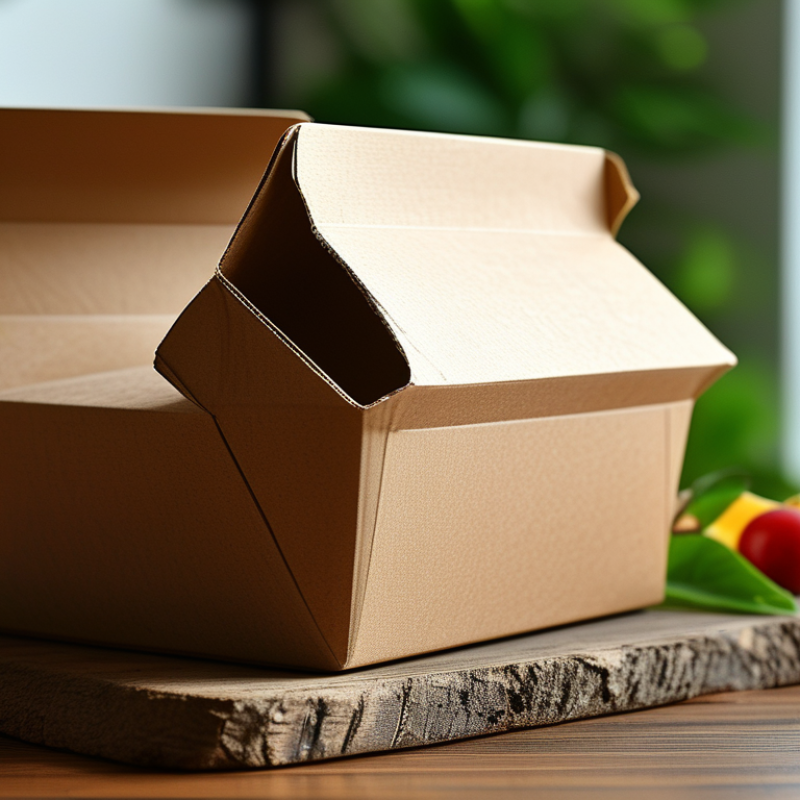
Benefits of Molded Fiber Packaging for Eco-Conscious Consumers
Molded fiber packaging has gained traction among eco-conscious consumers. This packaging type is made from recycled paper products. It is biodegradable and compostable, making it an excellent alternative to plastic. By choosing molded fiber, consumers can reduce their environmental impact significantly.
One of the key benefits is its durability. Molded fiber can withstand a variety of conditions. It performs well during shipping and storage. The material is also safe for food contact, which is a major advantage for the food industry. This means consumers can trust that their food is packaged responsibly.
Here are a few tips for choosing the right molded fiber packaging: Look for certifications that confirm its eco-friendly status. Check if the packaging is made from post-consumer waste. Ensure that the supplier follows sustainable practices in their production. This ensures that the molded fiber you choose is genuinely helping the environment, rather than just being marketed as green.
Understanding the production process can also deepen your commitment. Not all molded fiber packaging is created equal. Some manufacturers may use chemicals that affect its sustainability. Reflect on the source of your packaging and its overall impact on the environment before making a choice.
Benefits and Uses of Molded Fiber Packaging for Eco-Conscious Consumers
| Benefit/Use | Description | Eco-Friendly Aspect |
| Sustainability | Made from recycled materials, biodegradable, and compostable. | Reduces landfill waste and carbon footprint. |
| Product Protection | Provides excellent cushioning and protection for fragile items. | Minimizes damage during shipping, reducing waste. |
| Lightweight | Lighter than traditional materials, reducing shipping costs. | Less fuel consumption during transportation. |
| Versatility | Can be molded into various shapes for different products. | Customizable design reduces the need for additional plastic packaging. |
| Consumer Appeal | Attracts eco-conscious consumers looking for sustainable options. | Enhances brand image as a green company. |
Common Uses of Molded Fiber Packaging Across Different Industries
Molded fiber packaging is gaining traction across various industries due to its versatility and eco-friendliness. In the food industry, it excels as a sustainable alternative to plastic. Food trays made from molded fiber provide sturdiness and can hold a variety of products. They are also biodegradable, making them a great option for environmentally conscious companies. This packaging keeps items fresh while reducing environmental impact.
In the e-commerce sector, molded fiber packaging is becoming more popular for its protective qualities. It cushions fragile items well, reducing damage during transit. This packaging material is lightweight, which helps lower shipping costs too. Many businesses appreciate its ability to be shaped according to specific products. This adaptability can lead to better customer experiences.
Despite its benefits, molded fiber packaging has limitations. Some users may find its aesthetic appeal lacking compared to plastic alternatives. There is also the challenge of production costs, which can be higher than conventional materials. However, as more companies prioritize sustainability, embracing molded fiber might be a smart move. This could lead to a shift in consumer preferences in the long run.
Comparison of Molded Fiber Packaging with Traditional Packaging Materials
Molded fiber packaging stands out against traditional materials like plastic and foam. It is made from recycled paper products, making it environmentally friendly. This packaging can be molded into various shapes, offering flexibility. Unlike plastic, it is biodegradable and compostable, reducing waste in landfills.
A key difference lies in durability. Molded fiber can absorb shock better than foam, providing safer transport for fragile items. Traditional materials often fail under heat or moisture, while molded fiber remains stable. Buyers can trust this option for both lightweight and robust packaging needs.
For those considering a switch, here are some thoughts. Evaluate the impact on the environment and your brand. Choosing molded fiber can enhance your sustainability image. Also, think about the cost implications. Initial expenses may be higher, but savings arise from fewer damaged products during transit. Always weigh the long-term benefits of using greener materials against conventional options. Embrace change with an open mind.
Cost-Effectiveness of Molded Fiber Packaging for Buyers
Molded fiber packaging is gaining traction for its cost-effectiveness. For buyers, the initial investment in molded fiber can seem higher than traditional materials. However, this packaging offers long-term savings. It is made from recycled materials, reducing raw material costs. Since it’s biodegradable, disposal costs are also minimized. Buyers can save on waste management in the long run.
Another vital aspect is the durability of molded fiber. It protects products efficiently during shipping. This reduces damage, leading to lower replacement costs. For businesses, fewer returns mean higher customer satisfaction. The lightweight nature of molded fiber also contributes to lower shipping expenses.
Despite the advantages, companies must evaluate their specific needs. Sourcing quality molded fiber from reliable suppliers is critical. Not all products may fit this form of packaging perfectly. There may be limitations in terms of design customization compared to plastic. Experimenting with prototypes can help in finding the right balance. A thoughtful approach will ensure that the benefits outweigh any potential drawbacks.
Sustainability Impact of Molded Fiber Packaging on the Environment
Molded fiber packaging is becoming popular due to its sustainable benefits. This eco-friendly packaging is made from recycled paper pulp. It is biodegradable and compostable, reducing waste in landfills. Molded fiber packaging helps preserve resources by using a renewable material. This shift towards sustainability is crucial in today's world.
The environmental impact of molded fiber packaging is significant. It has a low carbon footprint compared to plastic packaging. Manufacturing processes for molded fiber use less energy. As a result, this type of packaging supports greener production methods. Buyers can reduce environmental harm by choosing molded fiber over traditional packaging.
Tips for making an eco-friendly choice include understanding the lifecycle of products. Researching the source of the materials used is essential. Choosing local suppliers can also minimize transportation emissions. Consider the end-of-life options for packaging. Opting for products that offer composting or recycling options can enhance sustainability. The more informed the buyer, the greater the positive environmental impact.
Molded Fiber Packaging Benefits and Uses for Buyers