2025 How to Maximize Process Automation for Business Efficiency
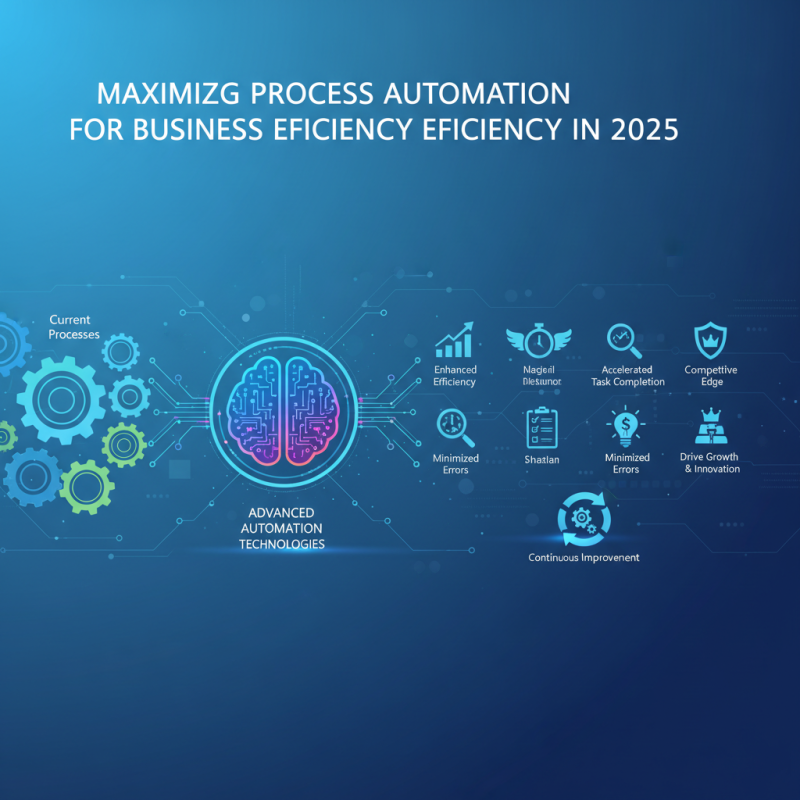
In today's fast-paced business landscape, organizations are increasingly turning to process automation as a strategy to enhance efficiency and productivity. As we look towards 2025, the importance of integrating advanced automation technologies into everyday operations cannot be overstated. Process automation not only streamlines workflows by reducing manual intervention but also minimizes errors and accelerates task completion. By leveraging automation, businesses can free up valuable human resources, allowing teams to focus on more strategic initiatives that drive growth and innovation.
To fully maximize the benefits of process automation, organizations must adopt a holistic approach that involves analyzing current processes, identifying areas ripe for automation, and implementing the right tools and technologies. This journey requires a commitment to continuous improvement and agility, ensuring that businesses can adapt to changing market conditions and evolving customer expectations. Embracing process automation will undoubtedly play a crucial role in achieving sustainable operational efficiency and maintaining a competitive edge in the coming years. As we delve deeper into the strategies for optimizing automation, it becomes clear that the future of business lies in harnessing the power of technology to enhance every aspect of operational excellence.
Understanding Process Automation and Its Importance for Businesses
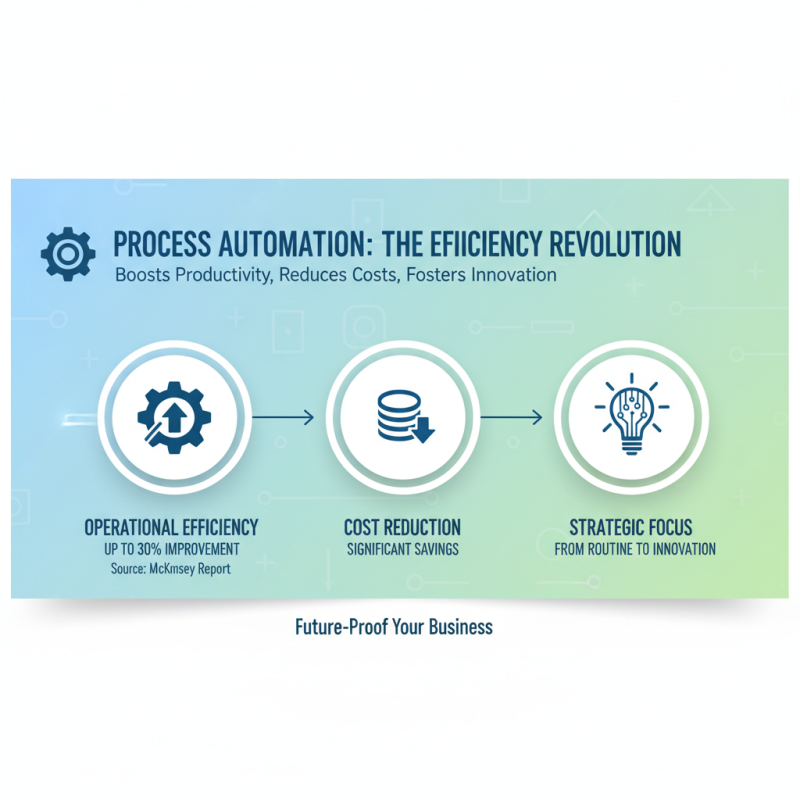
Process automation has emerged as a pivotal strategy for businesses aiming to enhance efficiency and productivity. As companies continue to face growing pressures to reduce costs and optimize operations, the adoption of automated solutions becomes increasingly vital. According to a report by McKinsey, organizations that implement automation can improve their operational efficiency by up to 30%, enabling them to redirect focus from mundane tasks to strategic decision-making. This shift not only streamlines workflows but also fosters a culture of innovation, allowing businesses to stay competitive in a rapidly evolving marketplace.
Understanding the importance of process automation goes beyond just cutting costs; it involves recognizing the impact on overall business agility. A study from Deloitte revealed that 53% of companies believe that automation significantly enhances their responsiveness to customer needs. By effectively integrating automation tools, businesses can adapt to market changes more swiftly and deliver better customer experiences. Moreover, process automation contributes to data accuracy and reliability, reducing the likelihood of human errors that can jeopardize operational integrity. As organizations gear up for the future, investing in process automation is essential for driving not only efficiency but also sustainable growth.
Key Technologies Driving Process Automation in 2025
In 2025, the landscape of process automation is being significantly shaped by several key technologies that enhance business efficiency. One of the most influential is artificial intelligence (AI). By leveraging machine learning algorithms, businesses can analyze vast amounts of data to identify patterns, predict outcomes, and make informed decisions with minimal human intervention. This not only streamlines operations but also helps organizations respond faster to market changes, ultimately driving productivity.
Additionally, robotic process automation (RPA) continues to evolve, allowing companies to automate repetitive tasks across various departments. By integrating RPA with AI, organizations can achieve a higher level of automation where bots not only execute predefined tasks but also learn and adapt to new processes over time. This synergy reduces operational costs and frees up employees to focus on more strategic initiatives. Furthermore, the adoption of cloud computing facilitates scalability, enabling businesses to deploy automation solutions without the need for extensive on-premises infrastructure. As these technologies converge, they pave the way for a more efficient and agile business environment in 2025, setting the stage for sustainable growth and innovation.
2025 How to Maximize Process Automation for Business Efficiency - Key Technologies Driving Process Automation in 2025
| Technology |
Description |
Impact on Efficiency (%) |
Adoption Rate (%) |
Projected Growth (2025) |
| Robotic Process Automation (RPA) |
Automation of repetitive tasks using software robots. |
30 |
75 |
40% |
| Artificial Intelligence (AI) |
Utilizing machine learning algorithms to enhance decision-making. |
25 |
60 |
50% |
| Business Process Management (BPM) |
Analyzing and optimizing business processes for better performance. |
20 |
65 |
30% |
| Cloud Computing |
Delivering computing services over the internet for scalability. |
15 |
80 |
35% |
| Internet of Things (IoT) |
Connecting devices to share and analyze data automatically. |
35 |
70 |
45% |
Identifying Processes Suitable for Automation to Enhance Efficiency
Identifying processes suitable for automation is crucial for businesses aiming to enhance efficiency and streamline operations. The first step in this selection process is to analyze the current workflows within the organization. By mapping out each stage of the business process, companies can identify repetitive tasks that consume valuable time and resources.
Tasks such as data entry, invoice processing, and customer support inquiries are often prime candidates for automation. These processes usually involve predictable, rule-based steps that can be easily replicated by software, allowing human employees to focus on more strategic activities that require critical thinking and creativity.
Once potential automation candidates are identified, the next step is to evaluate their impact on overall business efficiency. This involves assessing the volume of work, the frequency of tasks, and the time taken to complete them manually. Moreover, organizations should consider the potential return on investment (ROI) by estimating how much time and money can be saved through automation.
Prioritizing processes that not only enhance productivity but also improve accuracy and reduce errors is essential. By implementing automation in these selected areas, businesses can significantly boost efficiency, leading to faster turnaround times and improved customer satisfaction, ultimately positioning themselves for greater success in a competitive environment.
Strategies to Implement and Scale Process Automation Successfully
As businesses strive for greater efficiency, the implementation and scaling of process automation have become essential strategies in 2025. A report by McKinsey & Company estimates that automating just 30% of the tasks in various business functions could lead to productivity gains as high as 2.8 trillion dollars annually across the global economy. This underscores the necessity for organizations to integrate automation in a way that aligns with their specific operational workflows and long-term objectives.
When considering the adoption of process automation, it is vital to start with a clear assessment of current processes. Identify repetitive tasks that consume significant time and resources. Prioritize areas where automation can create the greatest impact, such as data entry and report generation. A Lean Six Sigma approach can help in refining these processes before automation, ensuring a smoother implementation.
Tips: Start small—initiate automation in one department to measure impact before rolling it out company-wide. It’s crucial to involve employees in the automation journey; their insights can reveal potential challenges and enhance acceptance. Additionally, ongoing training and support will ensure that staff can effectively collaborate with new automated systems, fostering an environment of innovation and reducing resistance to change.
Measuring the Impact of Process Automation on Business Performance
The impact of process automation on business performance has become increasingly quantifiable, highlighting its crucial role in enhancing operational efficiency and driving growth. According to a recent report by McKinsey, companies that have embraced automation can increase their productivity by up to 30%. This improvement stems from the ability of automated processes to streamline repetitive tasks, reduce human error, and expedite decision-making. With automation technology evolving rapidly, organizations that implement these solutions are often witnessing measurable benefits in areas such as throughput and customer satisfaction.
Further emphasizing this trend, a survey conducted by Deloitte indicates that 47% of organizations are using automation technologies to improve their workflows. This not only leads to cost savings but also facilitates better allocation of human resources towards more strategic and creative tasks. As the data suggests, businesses that measure the impact of automation through key performance indicators (KPIs) such as turnaround time, operational costs, and employee satisfaction are better positioned to adapt and thrive in a competitive market. By harnessing the power of process automation effectively, companies can not only enhance efficiency but also foster long-term sustainable growth.