How to Leverage Automation Technology for Business Efficiency?
In today's fast-paced business environment, automation technology is no longer optional. According to a recent report by McKinsey, companies that adopt automation can boost productivity by up to 30%. This trend is reshaping industries and creating new opportunities. Yet, many organizations still struggle to implement these technologies effectively.
Automation technology offers solutions in areas such as manufacturing, logistics, and customer service. For instance, AI-driven chatbots can handle inquiries, saving human agents for complex tasks. Despite the clear benefits, a study by Deloitte highlights that 40% of businesses face challenges in integrating automation processes. This gap suggests a need for strategic planning and ongoing evaluation.
Companies should consider both immediate gains and long-term sustainability. The initial investment in automation technology may deter some, yet the potential for streamlined operations is significant. Continuous learning and adaptation in using these tools are crucial. Reflecting on these factors can empower businesses to harness automation effectively and improve overall efficiency.

Understanding the Basics of Automation Technology in Business
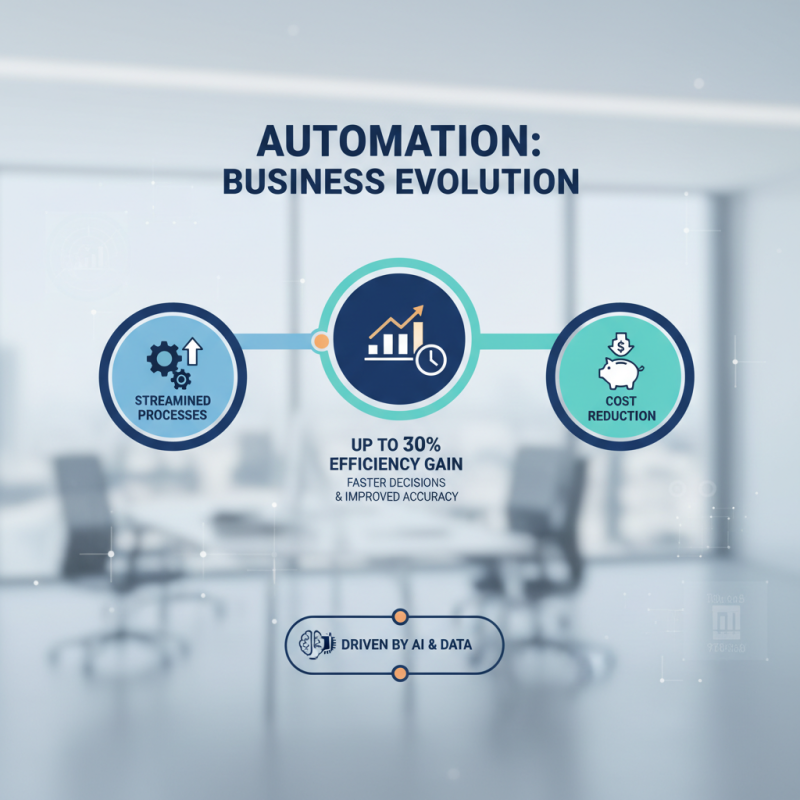
Automation technology is transforming the way businesses operate. Many organizations are adopting these tools to streamline processes and cut costs. According to a recent report, companies can increase operational efficiency by up to 30% with proper automation. This shift is driven by the need for faster decision-making and improved accuracy.
Understanding automation basics is crucial. Simple tasks, like data entry and reporting, can be automated. This frees employees to focus on strategic initiatives. Yet, not all automation efforts succeed. A study found that 50% of automation projects fail to deliver expected results. It’s essential to assess existing workflows before implementation. Over-automation can lead to confusion and errors.
The landscape is competitive. Companies leveraging automation can gain an edge. However, failures can teach valuable lessons. An investment in training and clear goal setting is vital. Employees must adapt to new tools and processes. Ignoring this aspect often leads to resistance and lower morale. Balancing innovation with human elements requires thoughtful planning.
Selecting the Right Automation Tools and Solutions
Selecting the right automation tools and solutions is essential for improving business efficiency. Research from McKinsey shows that companies can increase productivity by 20% to 30% through effective automation. Yet, many organizations struggle to identify the best tools for their needs. It’s easy to get overwhelmed by the variety of options available.
Businesses should assess their specific requirements first. A tool that works well for one operation may not fit another. Many reports indicate that 70% of automation initiatives fail. This often stems from poor tool selection and lack of alignment with business processes. For instance, if a customer service operation chooses a chatbot without understanding typical customer queries, the outcome could be frustrating for users.
Another aspect to consider is the integration capability of automation tools. A survey from Gartner reveals that 45% of organizations face challenges integrating new automation solutions with existing systems. Critical systems must work seamlessly with new technologies. Otherwise, businesses may find themselves with siloed processes that complicate rather than streamline operations. Always evaluate how well a tool will mesh with current workflows before major investments.
Business Efficiency Through Automation Technology
Implementing Automation: Best Practices and Strategies
Implementing automation in business can significantly enhance efficiency. A report by McKinsey indicates that automation can boost productivity by up to 30%. However, firms often struggle with integration. Many companies overlook the importance of clear goals. This leads to misalignment between automation efforts and business objectives.
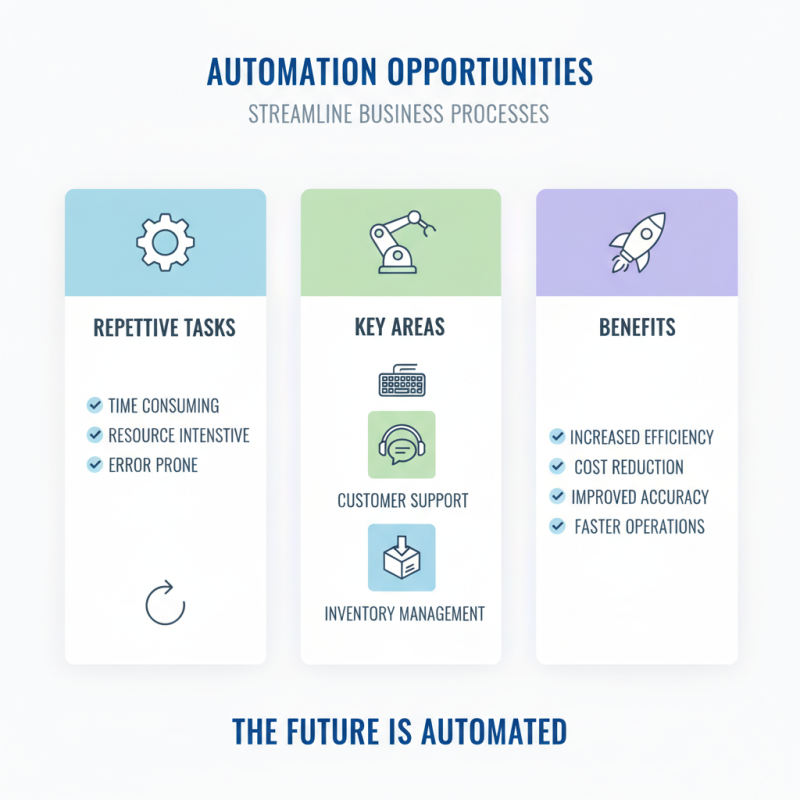
Identify processes ripe for automation. Repetitive tasks such as data entry are prime candidates. According to a study from PwC, 45% of all jobs could be automated, but not all are equally beneficial. Some businesses fail to assess the impact of automation on their workforce. Employee training is crucial. If employees resist change, the automation implementation might falter.
Consider starting small. Test automation in one department first. This allows for adjustments and reduces risk. Firms can utilize feedback loops for continuous improvement. Yet, some companies rush into scaling without sufficient testing. This often leads to unexpected issues. Reflecting on initial trials can provide invaluable insights for future projects, ultimately fostering a culture of adaptability.
Measuring Success: Evaluating the Impact of Automation on Efficiency
Evaluating the impact of automation on business efficiency involves looking at both quantitative and qualitative measures. Companies often focus on metrics like time saved, cost reduction, and increased output. But it’s essential to consider employee satisfaction too. If people feel overwhelmed by machines, the gains might not be as significant.
To measure success effectively, set clear goals before implementing automation. For instance, you might want to reduce processing time by 30%. After automation is in place, collect data to assess progress. Are you hitting those targets? Are employees engaging positively with the new system? Regular feedback is crucial. It helps identify pain points and areas needing adjustment.
Sometimes, initial implementations don’t yield expected results. Maybe the technology isn’t user-friendly, or it disrupts existing workflows. It’s vital to revisit and refine automation strategies. Gather insights from your team and make adjustments as needed. This process can improve overall efficiency and ensure that automation enhances both productivity and workplace morale.
How to Leverage Automation Technology for Business Efficiency? - Measuring Success: Evaluating the Impact of Automation on Efficiency
| Automation Tool |
Business Function |
Before Automation (Time Spent in Hours/Week) |
After Automation (Time Spent in Hours/Week) |
Efficiency Improvement (%) |
| Email Automation Tool |
Marketing |
10 |
3 |
70% |
| Customer Support Chatbot |
Customer Service |
20 |
5 |
75% |
| Project Management Software |
Project Management |
30 |
15 |
50% |
| Accounting Automation Software |
Finance |
25 |
10 |
60% |
| Sales CRM Automation |
Sales |
35 |
14 |
60% |