How to Improve Industrial Automation Efficiency and Reduce Costs?
In the rapidly evolving field of industrial automation, efficiency is paramount. As noted by Dr. Emily Carter, a leading expert in the industry, “Embracing advanced technologies can reshape operational dynamics.” Industries are under increasing pressure to optimize processes and minimize costs.
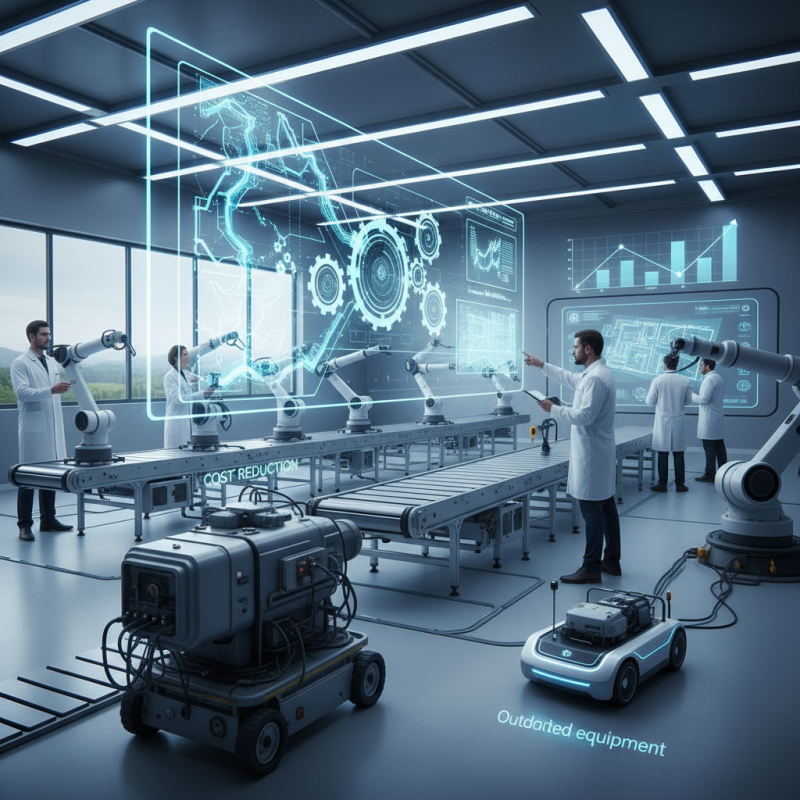
Challenges arise when integrating new systems. Companies often grapple with outdated equipment, leading to inefficiencies. The journey towards seamless automation isn’t always smooth. Many organizations face skill gaps in workforce training. Addressing these issues is critical for maximizing the potential of industrial automation.
Moreover, the investment in automation technology can be daunting. Many businesses hesitate, fearing the costs outweigh the benefits. Yet, with thoughtful analysis and strategic planning, companies can find pathways to improve efficiency. Recognizing these hurdles is the first step to overcoming them.
Identifying Key Areas for Efficiency Improvement in Automation
Identifying key areas for improving industrial automation efficiency is crucial. One common area is equipment maintenance. Machines require regular check-ups and monitoring. A lack of this can lead to unexpected downtimes. Optimizing predictive maintenance strategies can minimize these risks. Using sensors to collect data on equipment health is a practical approach. However, many companies overlook this aspect, resulting in wasted resources and high operational costs.
Another area involves process optimization. Streamlining workflows can enhance efficiency significantly. Analyze production lines to identify bottlenecks. Simplifying tasks can reduce processing times. Yet, some teams may resist changing established routines. This resistance can hinder progress. Encouraging a culture of openness and adaptability is essential for improvement.
Lastly, employee training cannot be ignored. Automation tools are only as effective as the individuals operating them. Regular training sessions can keep skills updated. Some organizations fall short in this aspect. Employees may feel underprepared, leading to mistakes or reduced productivity. Providing adequate support and resources is vital for enhancing overall efficiency.
Improving Industrial Automation Efficiency
Implementing Advanced Technologies for Cost Reduction
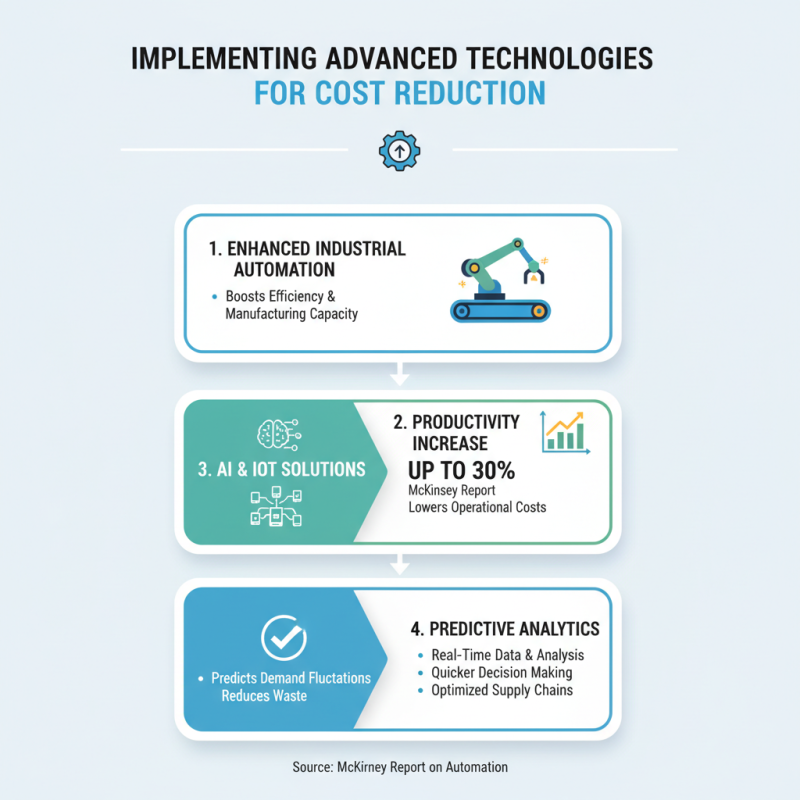
Advanced technologies play a crucial role in enhancing industrial automation efficiency. According to a report from McKinsey, companies that invest in automation can see productivity increases of up to 30%. This growth not only boosts manufacturing capacity but also significantly lowers operational costs. Implementing AI and IoT solutions, for example, allows for real-time data collection and analysis, facilitating quicker decisions. Such systems can optimize supply chains by predicting demand fluctuations.
However, there's a catch. Many industries still struggle to integrate these technologies effectively. A survey by Deloitte found that only 22% of manufacturers fully leverage digital technologies. This indicates a gap between technology availability and practical application. Companies may also face challenges in training their workforce. Resistance to change and fear of job losses can hinder progress. Therefore, fostering a culture of innovation is essential. Organizations should invest in employee upskilling to ensure technology adoption is met with an eager workforce.
Further, the costs associated with implementing advanced technologies can initially seem daunting. A report from PwC highlights that organizations may need to allocate between 4% to 10% of total revenue for digital transformation. This investment can be overwhelming, especially for smaller firms. Nonetheless, the long-term savings often outweigh the upfront costs. By prioritizing targeted investments, companies can achieve substantial improvements in productivity and cost efficiency.
Enhancing Workforce Training for Better Automation Utilization
Improving workforce training is vital for maximizing automation efficiency. A recent study indicates that well-trained employees can boost automation performance by 30%. Investing in training can significantly reduce operational costs. Companies that prioritize skill development alone see a 25% reduction in errors related to automated systems.
Focus on practical training sessions. Simulation labs can help employees practice in a controlled environment. This hands-on experience increases confidence and reduces mistakes when using automated machines. Integrate feedback from your workforce to refine training programs. Employees often have insights that can enhance learning frameworks.
Tip: Encourage continuous learning. Small, regular workshops can keep skills fresh and relevant. Consider implementing a mentorship program. More experienced employees can guide newer staff, fostering a culture of learning. Address gaps in knowledge frequently to ensure everyone is aligned with the latest technologies.
Evaluating and Upgrading Existing Automation Systems for Optimal Performance
Evaluating and upgrading existing automation systems is critical in today’s industrial landscape. Assessing current processes helps identify inefficiencies. Many companies overlook aging equipment. These machines may not integrate well with newer technologies. This can lead to bottlenecks and increased operational costs.
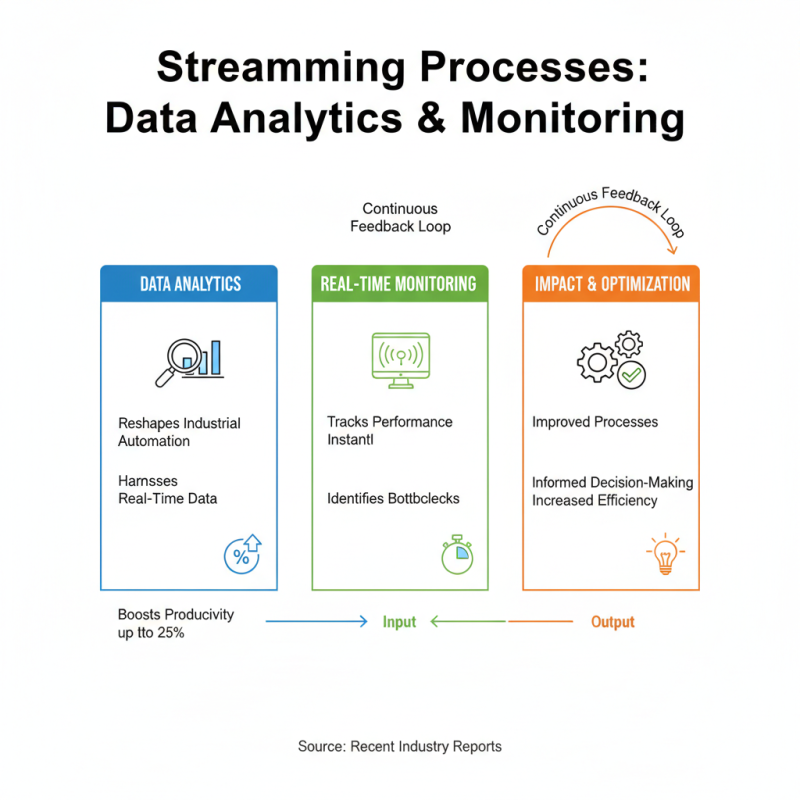
Investing time in a thorough evaluation is essential. Sometimes, a minor tweak can yield significant improvements. For example, integrating sensors can provide real-time data. This data helps teams make more informed decisions. Yet, many businesses hesitate to invest in upgrades. The fear of disruption often outweighs potential gains.
An ongoing reflection is necessary during this process. Are the new technologies being effectively utilized? Are employees adequately trained? These are questions every organization must address. Additionally, upgrades should not be a one-time event. Regular reviews ensure that the systems remain efficient and cost-effective. This ongoing commitment will drive sustainable improvements in industrial automation.