Why is Automation Engineering Essential for Modern Industries?
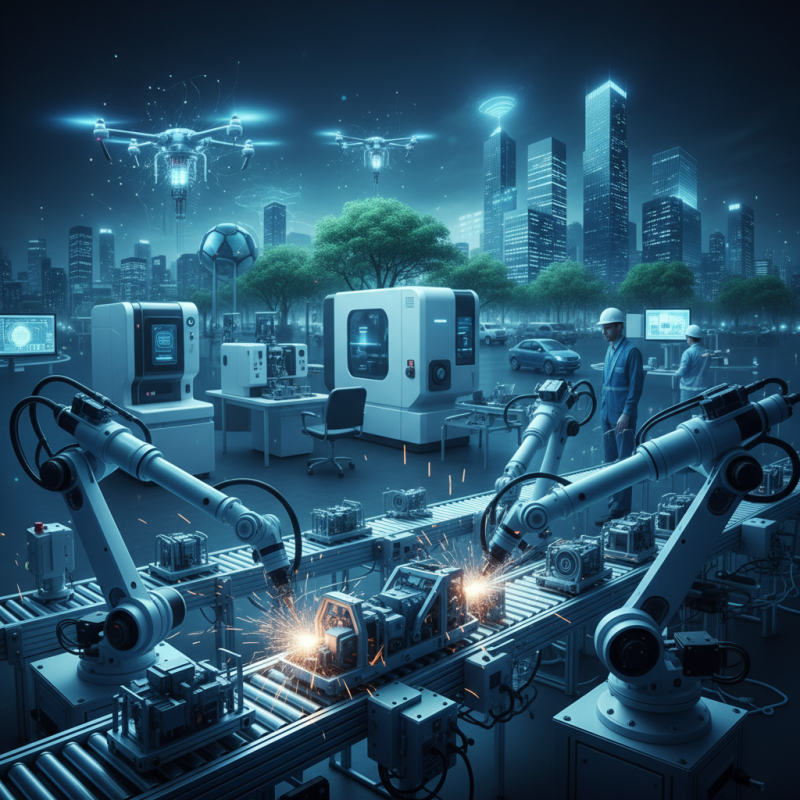
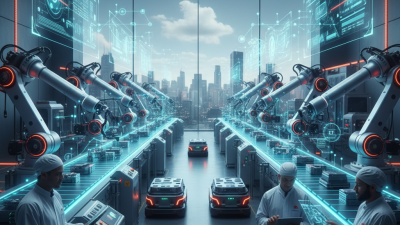
Automation engineering plays a crucial role in modern industries. It enhances efficiency and reduces human error. Companies now rely on automation to streamline operations. This technology impacts various sectors, from manufacturing to healthcare.
The integration of automation engineering has transformed traditional workflows. Machines perform tasks faster and more accurately than humans. This shift can lead to concerns about job displacement. It's essential to reflect on how automation affects the workforce and society.
Despite its many benefits, challenges arise. Not all industries adopt automation at the same rate. Issues like high initial costs and training bottlenecks persist. Yet, the importance of automation engineering in driving innovation cannot be overstated.
The Definition and Scope of Automation Engineering in Modern Industries
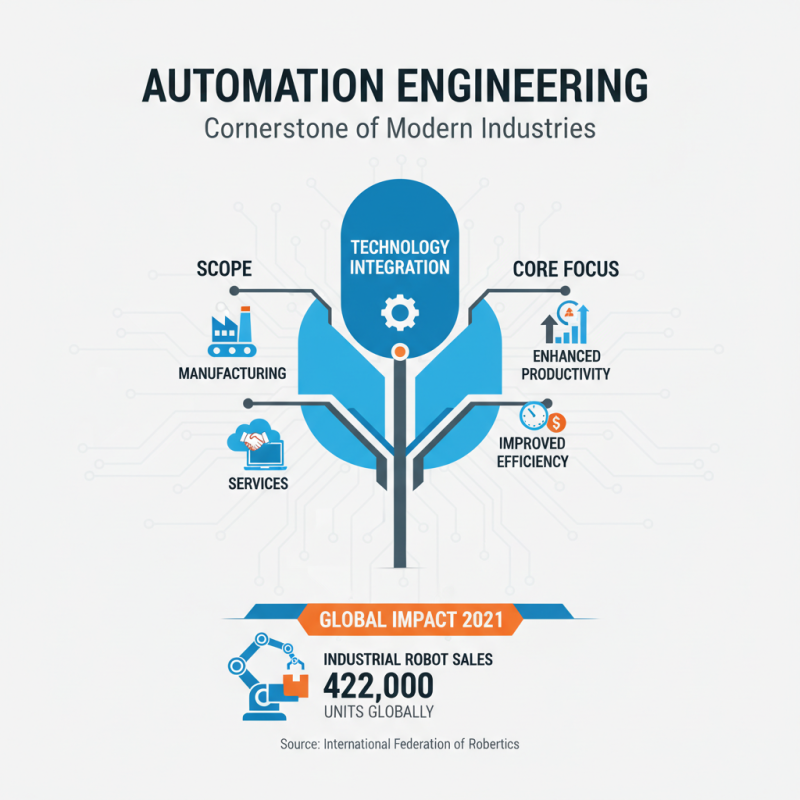
Automation engineering has become a cornerstone of modern industries. It's the integration of technology to improve processes. The scope of automation engineering extends from manufacturing to services. This field focuses on designing systems that enhance productivity and efficiency. According to a recent report by the International Federation of Robotics, industrial robot sales reached a record 422,000 units globally in 2021. Such high adoption showcases the growing reliance on automation.
Despite its advantages, automation comes with challenges. Not all automation projects lead to success. In fact, studies show that around 70% of automation initiatives do not fully meet their desired goals. This highlights the need for proper planning and execution. The scope also includes managing human-robot collaboration. As machines take on more tasks, the demand for skilled workers who can manage these technologies rises. Data from the World Economic Forum predicts that by 2025, 85 million jobs may be displaced, but 97 million new roles could emerge.
Understanding these dimensions is crucial for industries. Automation engineering must evolve continuously with technology. Companies must address security, maintenance, and integration issues. A well-thought-out automation strategy is essential. However, the potential pitfalls require careful navigation. As industries embrace automation, the learning curve remains steep. This ongoing challenge makes the field dynamic and ever-evolving.
Key Benefits of Automation Engineering for Operational Efficiency
Automation engineering plays a crucial role in enhancing operational efficiency across various industries. According to a report by McKinsey, companies implementing automation can achieve productivity gains of 20-25%. This shift not only speeds up production but also reduces human error. A recent study found that organizations that embraced automation saw a 30% decrease in operational costs. This means resources can be allocated to more strategic initiatives instead of daily tasks.
However, automation isn't always a seamless process. Transitioning to automated systems can be complex. Some organizations report significant challenges in integrating new technologies with legacy systems. Training staff to adapt to these changes can also take time and resources. Moreover, the initial investment might deter some businesses from pursuing automation despite its benefits. Not all industries are equally ready for such advancements, leading to uneven implementation across sectors.
Embracing automation can provide a competitive edge. Yet, companies must remain vigilant about potential pitfalls. Regular assessments and adjustments are necessary. The journey toward full automation is not straightforward, but the potential rewards justify the effort. Managing this transition effectively is vital for long-term success.
The Role of Automation Engineering in Enhancing Product Quality
Automation engineering plays a vital role in enhancing product quality across various industries. It streamlines production processes and reduces human error. Automated systems monitor parameters closely, ensuring that each product meets strict standards. Precision tools ensure consistency, leading to fewer defects. Less variability in production results in higher quality outputs.
However, not all automation implementations yield perfect results. Some systems may fail to adapt to changes. Maintenance issues can arise unexpectedly, disrupting productivity. A company must continuously assess its automation strategies. They should engage employees to provide feedback. This could help identify blind spots in the system. Involving the workforce can lead to better solutions and improved quality.
Quality assurance is improved through data analytics as well. Automation systems collect vast amounts of data. Analyzing this data helps detect trends and anomalies. Organizations can make informed decisions that positively impact product quality. Yet, over-reliance on data may lead to overlooking context. Balancing data-driven insights with human experience is crucial. This harmony can elevate product quality to new heights.
Emerging Technologies in Automation Engineering and Their Impact
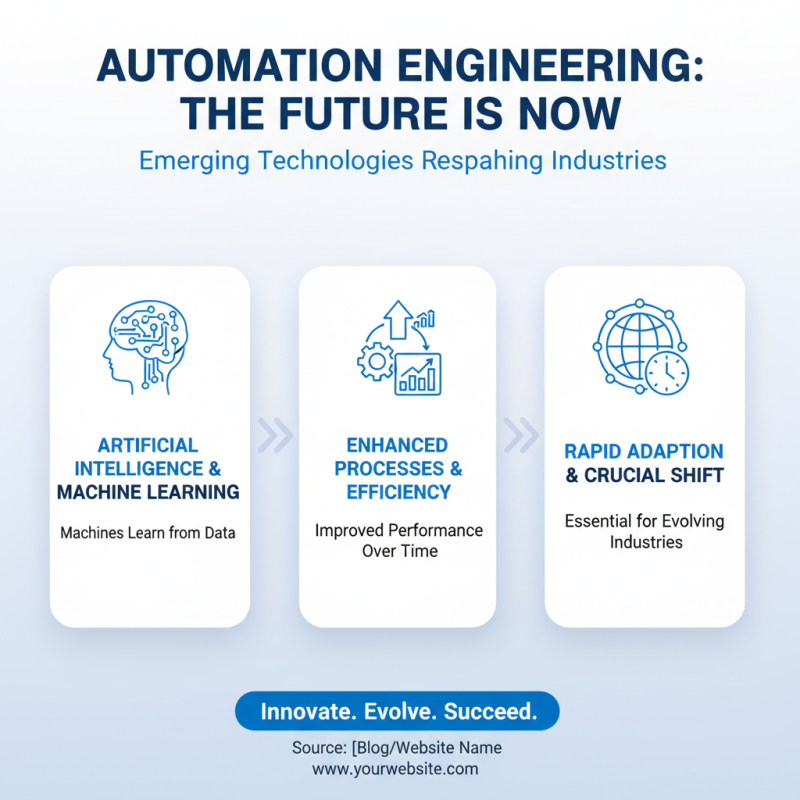
Emerging technologies are reshaping automation engineering. Innovations like artificial intelligence and machine learning are enhancing processes. They allow machines to learn from data and improve efficiency over time. This shift is crucial for industries needing rapid adaptation.
Robotics is another key player. Advanced robots can now collaborate with humans. They handle repetitive tasks, allowing workers to focus on complex issues. However, this transition isn’t without challenges. There is a learning curve for integrating these systems. Some workers may resist change, fearing job loss.
Furthermore, the Internet of Things (IoT) plays a significant role. IoT devices collect and analyze data in real-time. This connectivity improves decision-making and resource management. But, the reliance on technology raises security concerns. Protecting sensitive data is critical. As we embrace these changes, it’s vital to address these potential pitfalls.
Challenges and Future Trends in Automation Engineering for Industries
Automation engineering is gaining traction as industries evolve. However, it faces notable challenges. Many organizations struggle with integrating new technologies. Upgrading legacy systems can be complex and costly. Employees may resist change, fearing job losses. This creates a climate of uncertainty that hinders progress.
Future trends hold promise but require careful navigation. Adaptive technologies like AI and machine learning can enhance automation. These tools can optimize processes and improve efficiency. However, the workforce needs upskilling to handle these innovations. Organizations must invest in training programs to facilitate this transition. Without proper guidance, employees may feel overwhelmed, leading to setbacks.
Moreover, ethical considerations will shape the field. As automation reduces human involvement, critical questions arise. How do we ensure fairness in automated decisions? Industries must address these issues proactively. Transparency in algorithms can build trust. Balancing innovation with responsibility will be key to successful automation engineering in the future.
Impact of Automation Engineering on Different Industries (2023)