How to Implement Effective Process Automation in Your Business?
In today's fast-paced business environment, process automation is becoming essential. Companies strive to increase efficiency and reduce errors. Yet, implementing these systems effectively can be challenging. Many businesses encounter obstacles that hinder their progress.
Understanding the nuances of process automation is key. It involves selecting the right tools and training staff adequately. It's important to avoid common pitfalls, such as rushing the automation process without proper analysis. Every decision should be backed by data.
Refining and adapting automation strategies will yield better results over time. Learn from past mistakes and continuously adjust processes. Engaging employees and seeking their feedback will foster a culture of improvement. By prioritizing thoughtful execution, businesses can leverage process automation to thrive in a competitive landscape.
Identifying Processes Suitable for Automation in Your Business
Identifying processes suitable for automation is crucial for maximizing efficiency in any business. Start by analyzing repetitive tasks. These tasks often consume valuable time without adding significant value. For instance, data entry, invoice processing, or inventory management are prime candidates. They require limited human intervention but can drain resources if done manually.
Consider employee feedback as well. Engage staff members to pinpoint pain points in their daily routines. They can highlight processes that frustrate them or slow down productivity. Use this insight to create a list of potential automation projects.
Examine the complexity of these processes. Automation works best with standardized tasks. However, nuanced processes may require human oversight, complicating automation efforts. Evaluate the cost versus benefit of automating these tasks. Sometimes, a hybrid approach is more effective, blending automation with human input. Allowing some flexibility can enhance the overall process.
Identifying Processes Suitable for Automation in Your Business
Assessing the Costs and Benefits of Process Automation Implementation
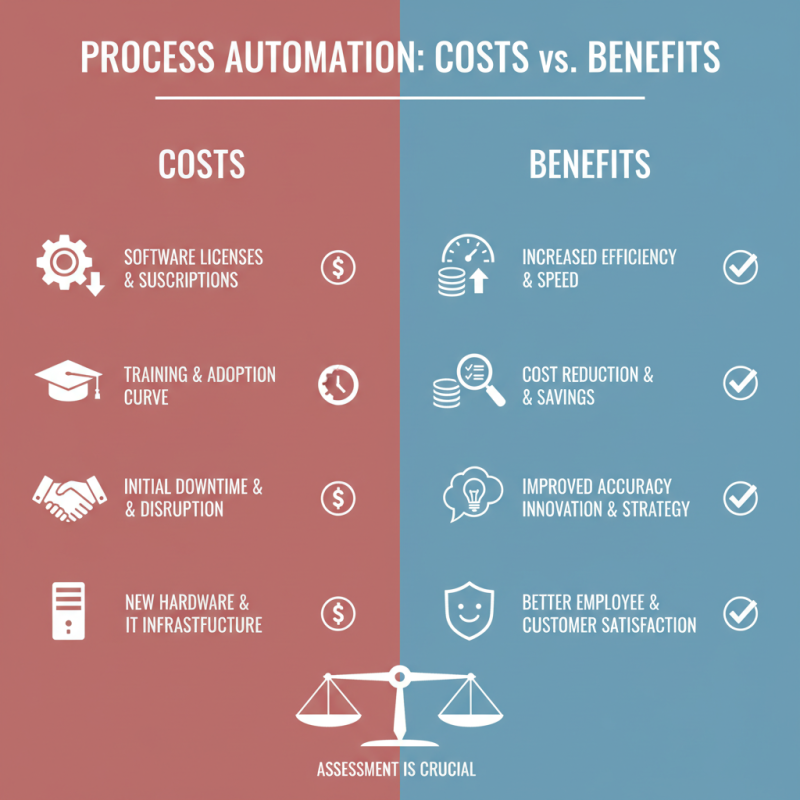
Implementing process automation can seem like a daunting task for many businesses. Accurately assessing costs versus benefits is crucial. The initial setup costs may include software, training, and potential downtime. You might need to hire consultants or purchase new hardware. These expenses can add up quickly, affecting small budgets.
However, the long-term benefits can be significant. Automated processes often lead to increased efficiency and reduced errors. By streamlining operations, employees can focus on higher-value tasks. This shift can improve company morale and boost productivity. But the transition is not always smooth. Some employees may resist change, fearing job loss or increased oversight. Communication and training are essential to mitigate these concerns.
It's essential to evaluate your specific needs. Not every process is suitable for automation. Analyzing which tasks yield the highest returns will help prioritize efforts. Be ready for adjustments along the way. Automation is not a one-size-fits-all solution; it requires ongoing assessment and fine-tuning. The goal should be to enhance operations without compromising the workforce's engagement.
Choosing the Right Automation Tools and Technologies for Your Needs
Choosing the right automation tools and technologies is crucial for your business success. Start by identifying the tasks that consume time and resources. These tasks are prime candidates for automation. Look for tools that are user-friendly and can integrate with your existing systems. A good automation tool should streamline your processes, making things more efficient.
When selecting automation tools, consider your team's skill set. Not all users will be tech-savvy. A tool that requires extensive training may not be the best choice. Instead, opt for tools with intuitive interfaces. This can minimize disruptions and encourage adoption within your team.
Tip: Evaluate software options through trials. This allows you to assess features and usability. Gather feedback from team members who will use the tool. Their insights are invaluable.
Another aspect is data security. Choose tools that prioritize data protection and compliance. Reliability in automation tools can save you from potential headaches. You want to avoid disruptions that come from questionable technology.
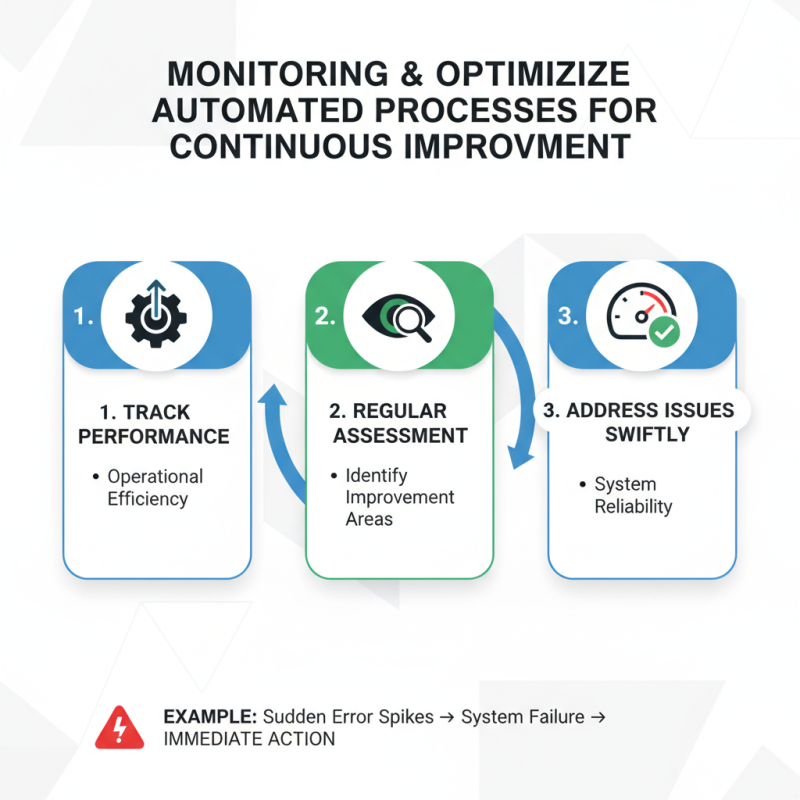
Tip: Monitor the automation process regularly. Misalignment can occur, and a periodic check helps maintain efficiency. Reflect on areas for improvement, as automation is an ongoing learning journey.
Designing an Effective Workflow for Automated Processes
Designing an effective workflow for automated processes involves careful planning. Start by identifying repetitive tasks within your operations. Look for areas that consume time and resources. For example, data entry or report generation might be ideal candidates for automation.
Once you've pinpointed these tasks, map out the current workflow. Use flowcharts for clarity. Visualizing steps helps identify bottlenecks. Gather feedback from team members as they often know pain points. This input is invaluable for refining processes.
Next, integrate automation tools that align with your needs. These tools should be easy to use and reliable. However, it’s essential to test them thoroughly before full implementation. Look for potential issues and address them early. Every business is unique. Therefore, expect some trial and error during automation. Not every solution will yield immediate success. Adapting your approach based on ongoing evaluation is vital.