






Choosing the right Plastic Wheel starts with the job it must do. A wheel carrying a quiet office chair faces different demands from one rolling a loaded cart over rough concrete. Load, floor type, speed, noise, moisture, and temperature all matter. A wheel that looks sturdy may still flatten, skid, or leave marks.
Grand View Research’s Caster Wheels Market report offers useful context on the broader caster sector, including material and application categories. However, broad market totals do not establish which plastic wheel will perform best in a specific workplace. Buyers still need to compare the manufacturer’s load rating, wheel diameter, tread material, and test conditions. Check whether stated capacity applies to one wheel or a full set.
Small details matter.
I can’t verify a named Plastic Wheel industry expert’s quotation from the material provided, so I won’t invent one. Design researcher Don Norman offers a relevant, broader reminder: “Good design is actually a lot harder to notice than poor design.” In wheel selection, that can mean a smoother push, fewer floor marks, or less vibration—not just a lower purchase price. Treat those outcomes as things to test, not promises to assume. Roll a sample across the actual floor, with the intended load. Listen for rattling. Check for heat, debris, and uneven wear after repeated trips. One practical limitation: test results from a clean showroom floor may not predict performance on a gritty warehouse aisle.
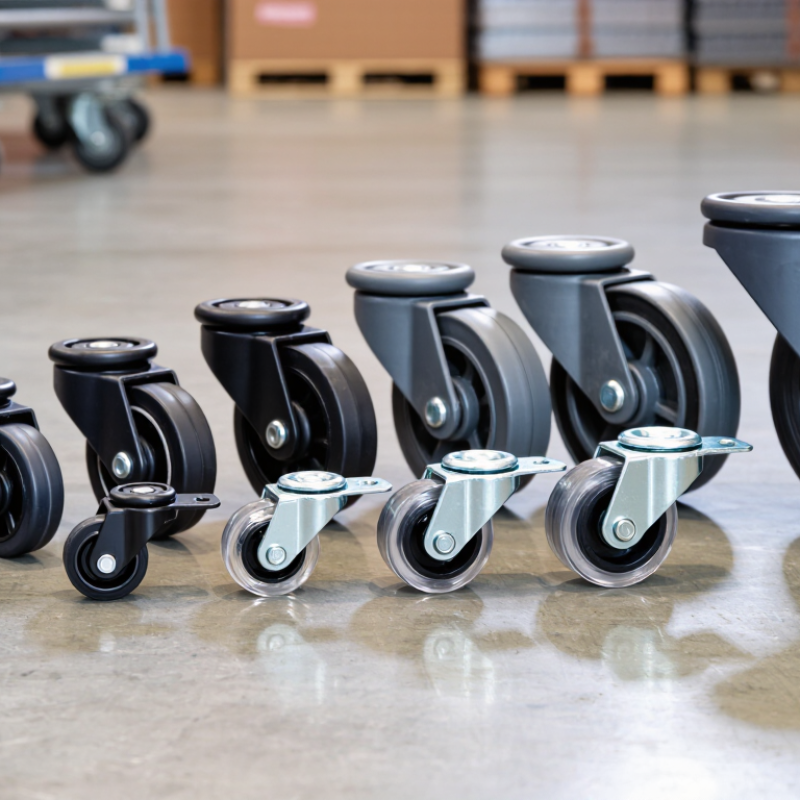
Start with the job. What must the wheel carry, and where will it travel? A cart moving boxes across smooth warehouse concrete has different needs from a display rack rolling over tile joints. Note the total load, number of wheels, travel distance, and how often the equipment moves. Unevenly shared weight can overload one wheel, even when the total load seems acceptable.
Check the operating environment, too. Dust, moisture, cleaning agents, and temperature changes can affect plastic performance. Measure floor gaps and thresholds; a larger wheel may cross them more smoothly, while a softer tread may reduce noise. Consider speed, turning frequency, and whether the wheel needs a brake or swivel mount. Small details matter.
Match the wheel material and hardness to those conditions, then confirm its load rating and mounting dimensions with the supplier’s specifications. A common mistake is choosing by diameter alone. That can miss a narrow fork clearance or a floor seam that causes repeated jolts. No checklist captures every surface perfectly, so test a sample on the actual route with a realistic load. Even a short trial may reveal vibration, flat spots, or difficult steering that a catalog description cannot.
| How to Choose the Right Plastic Wheel for Your Needs? - Identify the Application and Operating Requirements | |||||
|---|---|---|---|---|---|
| Application | Typical Operating Requirements | Suggested Wheel Material | Load and Movement Considerations | Floor and Environment | Selection Checks |
| Light-duty carts and storage bins | Occasional movement at low speed, usually indoors and on smooth floors. | Polypropylene (PP) or a suitable general-purpose plastic. | Match the rated capacity to the maximum loaded weight. Divide the total load by the number of wheels, allowing for uneven load distribution. | Generally suited to smooth concrete, tile, or similar indoor surfaces. Hard wheels may be noisy on rough floors. | Check wheel diameter, mounting type, load rating, and whether the wheel must swivel or roll in a fixed direction. |
| Warehouse trolleys and material-handling equipment | Frequent travel, repeated starts and stops, and potentially sustained loads. | Nylon for high load capacity and low rolling resistance on suitable floors; polyurethane where quieter, more floor-friendly rolling is needed. | Consider both static and dynamic loads. Larger wheels generally roll more easily over joints and small floor obstacles. | Nylon is hard and can be noisy or mark some floors. Polyurethane is typically more forgiving on floors but may require more pushing effort. | Confirm load capacity at the intended speed and duty cycle, plus resistance to impact, abrasion, and floor debris. |
| Equipment used in wet or washdown areas | Exposure to water, frequent cleaning, or occasional contact with cleaning solutions. | Polypropylene or another plastic specifically rated for the chemicals and cleaning conditions involved. | Check that the wheel, hub, bearings, and mounting hardware are all suitable for moisture exposure. | Plastic wheels may resist water, but chemical compatibility depends on the exact material, concentration, temperature, and exposure time. | Verify chemical resistance with the supplier; inspect for water ingress, corrosion of metal parts, and reduced traction on wet floors. |
| Quiet indoor carts on finished floors | Regular movement where noise and floor protection are important. | Polyurethane tread on a suitable wheel core, or a softer thermoplastic elastomer (TPE) where appropriate. | Choose a tread and wheel size that support the load without excessive deformation or rolling resistance. | Softer treads are generally quieter and gentler on floors than hard nylon or polypropylene, but may wear faster under some conditions. | Check floor compatibility, tread hardness, resistance to cuts and abrasion, and whether the wheel can leave marks on the surface. |
| Outdoor carts and garden equipment | Movement over uneven surfaces, outdoor debris, and changing weather conditions. | Polyurethane or another impact- and weather-suitable wheel material; select based on the surface and load. | A larger diameter can help the wheel pass over small obstacles. Confirm the load rating for the actual terrain and speed. | Consider exposure to sunlight, moisture, dirt, and temperature changes. Hard plastic wheels may perform poorly on loose or rough ground. | Assess tread shape, traction, wheel diameter, axle and bearing protection, and resistance to the specific outdoor conditions. |
| Precision equipment or clean indoor work areas | Controlled movement, low contamination risk, and consistent rolling performance. | A cleanable plastic wheel material selected for the required load, floor, and cleanliness standard. | Use a load rating with an appropriate safety margin and consider vibration or noise sensitivity of the equipment. | Confirm suitability for the cleaning process and any required hygiene or cleanroom procedures; wheel material alone does not determine compliance. | Check surface shedding, lubricant requirements, bearing type, cleanability, and any applicable facility specifications. |
