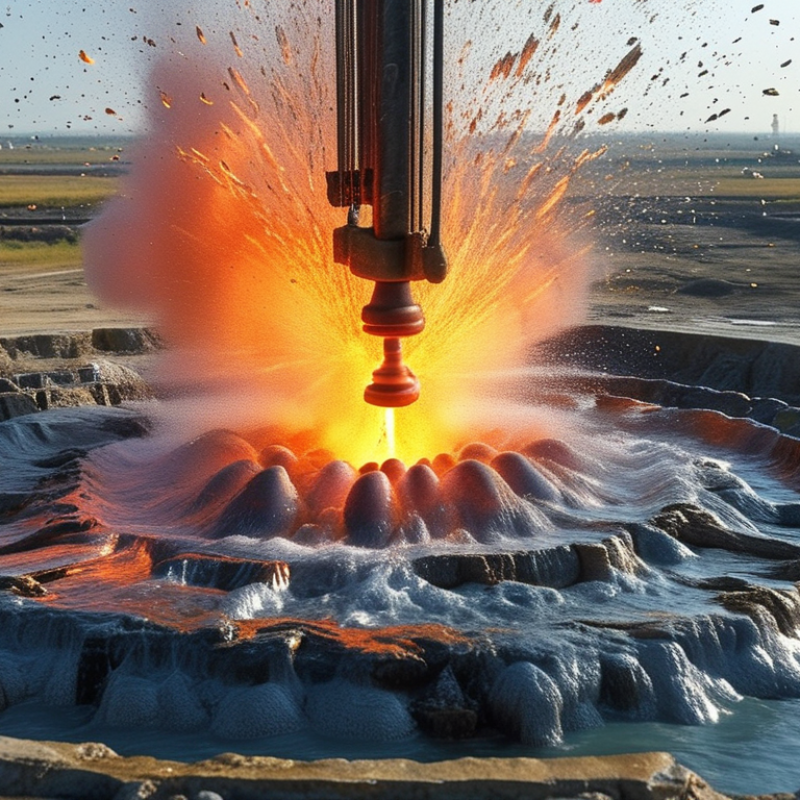
How to Use Explosive Perforating for Oil and Gas Extraction?
Explosive Perforating is a critical technique in oil and gas extraction. It involves creating holes in well casings to allow hydrocarbons to flow into the wellbore. This technique uses explosives to precisely penetrate various formations. Implementing it can significantly enhance production rates.
Understanding the nuances of Explosive Perforating is vital. The selection of explosive types and the timing of detonation are crucial for optimal results. Improper execution can lead to poor penetration or environmental issues. Engineers must make careful choices based on geological data and reservoir characteristics.
While it has proven effective, challenges remain. The right balance of energy and placement matters. Inexperienced personnel may overlook crucial factors, leading to inefficiencies. Technological advancements continue to evolve, but continuous learning is essential. Each operation offers lessons for improvement.
Overview of Explosive Perforating in Oil and Gas Extraction
Explosive perforating is a critical technique in oil and gas extraction. It creates pathways for hydrocarbons to flow from rock formations into the wellbore. The process typically involves using explosive charges to puncture well casing and rocks, enhancing reservoir permeability. According to industry studies, successful perforation can increase oil and gas production rates by up to 50%.
In a well-designed perforation strategy, selecting the right explosive type is essential. For example, shaped charges effectively deliver energy to penetrate hard formations. However, improper charge placement can lead to ineffective perforation and reduced productivity. Regularly evaluating the well conditions is crucial, as they can change due to reservoir pressure and fluid characteristics.
Tips: Always conduct thorough pre-job analyses. This helps identify optimal perforation zones. Consider running simulation models to predict outcomes. Remember, the balance between safety and efficiency is vital. Crude oil prices can fluctuate, impacting the viability of your operations. Performing a detailed cost-benefit analysis before implementing explosive perforating strategies can pay off significantly.
Principles of Explosive Perforating Technology
Explosive perforating is a vital technique in oil and gas extraction. This method creates pathways in the rock, allowing hydrocarbons to flow more efficiently. The process utilizes shaped charges, which are carefully designed to penetrate the well casing and the surrounding formation. The detonation creates holes that vary in size and depth, depending on the charges used.
The principles of explosive perforating hinge on energy transfer. When detonated, the explosive generates a jet of gas that travels at high speed. This jet not only penetrates the casing but also disrupts the surrounding rock. The quality of these perforations can directly influence production rates. Inconsistent results can lead to poor extraction efficiency or damaged wells.
Despite its effectiveness, explosive perforating requires precision and expertise. Operators must carefully calculate the placement and type of charges. Even minor mistakes can lead to ineffective perforations. Continuous evaluation and adjustment of techniques are necessary to maximize efficiency and safety. The learning curve is steep, and mistakes can come with high costs. Acknowledging these challenges is essential in refining the technology and ensuring successful oil and gas extraction.
Step-by-Step Process of Executing Explosive Perforating
Explosive perforating is essential in oil and gas extraction. The process involves creating holes in the casing of the well to allow hydrocarbons to flow. Here’s a step-by-step guide to executing explosive perforating effectively.
Begin with site evaluation. Understanding the geological conditions can impact perforation effectiveness. Ensure safety protocols are followed during this phase. Select the right type of explosive based on the formation and desired hole size. The placement of charges is crucial for efficiency. Proper spacing affects the flow rate.
Once everything is set, initiate the detonation. This should be done with precise timing to maximize impact. After perforating, conduct a flow test to assess the results. This testing phase helps identify any issues. You might find that not all perforations yield desired outcomes. Adjustments may be necessary.
Tips: Always conduct regular maintenance on equipment. This minimizes the risk of malfunctions during the process. Engage with experienced professionals to ensure best practices are followed. Reflect on the outcomes of each perforation job. Learning from both successes and failures enhances future performances.
Advantages and Disadvantages of Explosive Perforating Methods
Explosive perforating is a method used in oil and gas extraction. It involves using explosives to create holes in the well casing and into the surrounding rock. This technique has distinct advantages and disadvantages that can impact its effectiveness.
One advantage is the efficiency of creating pathways for oil and gas. The process allows for multiple holes to be formed simultaneously. This can increase production rates significantly. Additionally, explosive perforating can penetrate hard rock formations that other methods might not reach. However, the method also has drawbacks. The use of explosives can risk damage to the casing, leading to costly repairs. Environmental concerns are also present, as detonations can create vibrations affecting nearby ecosystems.
Another point of consideration is safety during the operation. While trained professionals manage the process, the inherent risks cannot be ignored. For instance, unpredicted explosions or miscalculations can lead to accidents. Thus, companies must weigh the benefits against potential hazards. This balance is crucial to ensure both operational success and environmental stewardship.
How to Use Explosive Perforating for Oil and Gas Extraction? - Advantages and Disadvantages of Explosive Perforating Methods
| Aspect | Details |
| Method Description | Explosive perforating involves creating holes in the casing of a well using explosives to allow oil and gas to flow. |
| Advantages | - Effective stimulation of production zones.
- Quick access to the reservoir.
- Allows for deeper penetration compared to other methods.
|
| Disadvantages | - Potential for formation damage due to shock waves.
- Risk of safety hazards during execution.
- Environmental concerns related to explosives usage.
|
| Typical Applications | Used in various environments, including offshore and onshore oil fields, where high productivity is crucial. |
| Safety Measures | Training for personnel, proper handling and storage of explosives, and usage of protective equipment during operations. |
| Regulatory Compliance | Adheres to local, state, and federal regulations regarding explosive materials and drilling operations. |
Safety Measures and Environmental Considerations in Perforating Operations
Explosive perforating is crucial for effective oil and gas extraction. However, it comes with notable safety and environmental concerns. During perforating operations, high-pressure gases and debris can be released. These pose risks to personnel and surrounding ecosystems. According to a report from the Society of Petroleum Engineers, nearly 50% of workplace accidents in oil extraction are tied to improper safety measures.
When conducting perforation, adhering to safety protocols is non-negotiable. Operators must use advanced monitoring systems to track pressure fluctuations. Equipment maintenance is essential to preventing failures. Furthermore, training personnel in emergency response measures can significantly reduce accident rates. The U.S. Occupational Safety and Health Administration emphasizes the need for proper protective gear, which can mitigate injuries.
Environmental considerations are equally vital. Explosive perforating can lead to groundwater contamination if not managed correctly. A study published in the Journal of Petroleum Technology found that 70% of environmental incidents in extraction were linked to perforating methods. Mitigating these risks involves using biodegradable explosives and careful planning of percussive zones. Ensuring the ecological safety of land and water is essential for sustainable operations.