How to Ensure Quality in Book Printing Inspection?
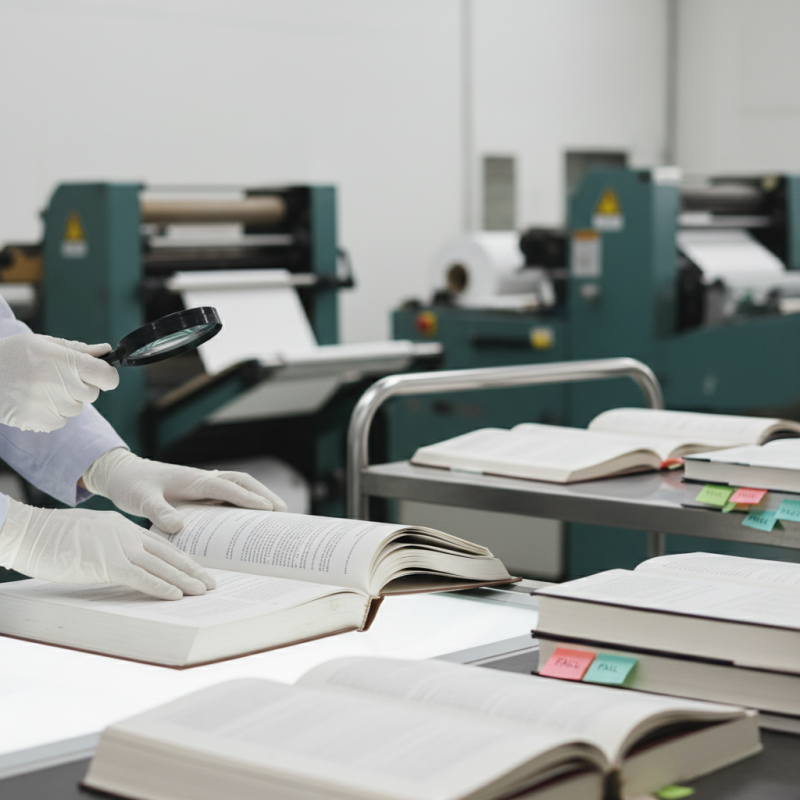
The process of Book Printing Inspection is critical for ensuring quality. This step often gets overlooked in the rush to meet deadlines. However, without proper inspection, printing errors can lead to significant issues.
Quality in book printing inspection involves multiple elements. Each detail, from text alignment to color accuracy, matters. Even minor flaws can diminish a reader's experience. It's essential to have trained personnel examine each copy. Mistakes can occur, but the goal should be to minimize them.
Failure to conduct thorough inspections can result in subpar products. This affects not only customer satisfaction but also the reputation of publishers. Thoughtful inspection methods are necessary to identify potential issues early. Regularly revisiting these methods ensures continuous improvement in the printing process.
Understanding the Importance of Quality in Book Printing
Quality in book printing is crucial for conveying messages effectively. A well-printed book enhances the reader's experience. Poor quality can distract or create confusion. Every aspect, from paper choice to ink density, impacts the final product. Quality assures readers of the care taken in production. When a book feels and looks good, it creates trust.
Tips: Always check the paper quality. Thin or rough paper can affect readability. Assess the color consistency throughout the pages. Variations can suggest poor printing techniques.
Another consideration is binding. A well-bound book holds together through many readings. Weak binding leads to pages falling out. Inspect the spine for durability and strength. A book that doesn’t stay intact can frustrate readers.
Tips: Look for any misalignments in text or images. This could indicate setup issues in printing. Ask for sample prints before the full run; adjustments can prevent larger problems later. Quality assurance requires constant attention and occasional reflection on your processes.
Key Factors Affecting Quality in Book Printing
In book printing, several key factors significantly affect quality. The choice of paper is crucial. A study indicates that 40% of readers judge a book by its cover. Low-quality paper can deter potential readers. It may impact print clarity and the overall feel of the book. For instance, coated paper enhances color vibrancy, while uncoated paper offers a more tactile experience.
Another critical element is printing technology. Advanced printers provide higher resolution and better color accuracy. A report by the Printing Industries of America states that 80% of printing errors are linked to faulty equipment or improper settings. Regular maintenance and calibration can mitigate these issues. Quality inspection processes should be integrated at every stage of production.
Ink quality is equally vital for achieving vibrant prints. Poor quality ink affects color consistency. Reports show that 35% of print defects arise from ink-related problems. Moreover, color management is essential. Inconsistent colors can break a reader's trust in a brand. These factors highlight the importance of thorough inspection and adherence to quality standards throughout the printing process.
How to Ensure Quality in Book Printing Inspection? - Key Factors Affecting Quality in Book Printing
| Quality Factor | Description | Impact Level |
| Paper Quality | Type of paper used, thickness, and finish. | High |
| Color Accuracy | How closely the printed colors match the intended design. | Critical |
| Binding Quality | Durability and neatness of the binding. | High |
| Print Consistency | Uniformity in printing across all pages. | Medium |
| Finishing Touches | Additional processes such as lamination or foiling. | Medium |
| Preflight Checks | Verifying files before printing to ensure there are no errors. | Critical |
| Environment Control | Temperature and humidity levels in the printing area. | High |
Essential Inspection Techniques for Book Printing
Quality assurance in book printing is crucial. Effective inspection techniques can significantly impact the final product. One key method is the color match check. Inspectors should evaluate color consistency across pages. This includes ensuring that text and images maintain the same hues throughout. A difference of even a few shades can be noticeable.
Another vital technique is the alignment check. Pages should align correctly without any misprints or shifts. Inspectors often use tools to measure this. Sometimes, it can be difficult to catch every misalignment at a glance. Consistent re-evaluation of printing processes can enhance accuracy over time.
Additionally, binding inspection is essential. It ensures pages are securely attached and don’t fall out easily. Inspectors should also look for any signs of wear or damage. A book with loose pages or uneven binding doesn’t meet quality standards. Continuous improvement in these inspection techniques can help achieve better results.
Common Defects and How to Identify Them in Printed Books
When inspecting printed books, identifying common defects is crucial. Look for issues like misalignment, color inconsistencies, and smudges. Misalignment can disrupt the reading experience. Check the margins; they should be equal on both sides. If the pages are uneven, it signals a problem.
Color discrepancies can be more subtle. Examine images closely. Brightness may vary between pages or sections. A sudden shift in color can be distracting. Use a color guide to assess consistency. Pay attention to any unwanted marks or stains. These can occur during production and may go unnoticed.
Tips for effective inspection: Always use good lighting when examining books. This helps reveal any flaws. Create a checklist of common defects to streamline the process. Finally, do not rush. Take your time to ensure every flaw is addressed. If you find defects, reflect on the possible causes. Each inspection is a learning opportunity.
Quality Inspection in Book Printing: Common Defects
Best Practices for Maintaining Quality in Book Printing Processes
Quality in book printing is essential. Effective inspection techniques can help maintain high standards. Industry reports show that 30% of printed books have some form of defect. This alarming statistic highlights the need for robust quality assurance practices.
Implementing a thorough inspection process is vital. Regular checks during various stages of production can catch issues early. According to recent data, approximately 25% of print errors are not detected until after the product is completed. This is where proactive quality measures play a significant role.
Attention to detail is crucial. Staff training on quality standards reduces human error. However, even the best-trained staff may overlook small defects. Integrating technology, like automated inspection systems, can complement human efforts. It is important to reflect on continuous improvement. Only through consistent evaluation can true quality be achieved in book printing.