Eco Friendly RFID PET Card Benefits for Global Buyers?
The Eco-Friendly RFID PET Card is transforming the way global buyers approach sustainability in their operations. These cards, made from recycled materials, offer a green alternative that meets the rising demand for environmentally responsible products. With an increased focus on reducing carbon footprints, organizations are seeking solutions that not only benefit their efficiency but also support sustainability initiatives.
Beyond their environmental advantages, Eco-Friendly RFID PET Cards provide reliability and durability. They are fully compatible with existing systems, ensuring that businesses do not compromise on functionality while making greener choices. This innovative technology not only enhances brand image but also meets consumer expectations for sustainability. However, companies must reflect on their overall impact and the materials used in their supply chains.
The shift toward eco-friendly solutions is commendable, yet buyers should continuously evaluate the performance and durability of these cards. Balancing sustainability with operational needs can be challenging, forcing companies to think critically about their environmental commitments. As the market evolves, the Eco-Friendly RFID PET Card represents a step toward a more sustainable future, but thoughtful consideration is necessary to achieve lasting improvements.
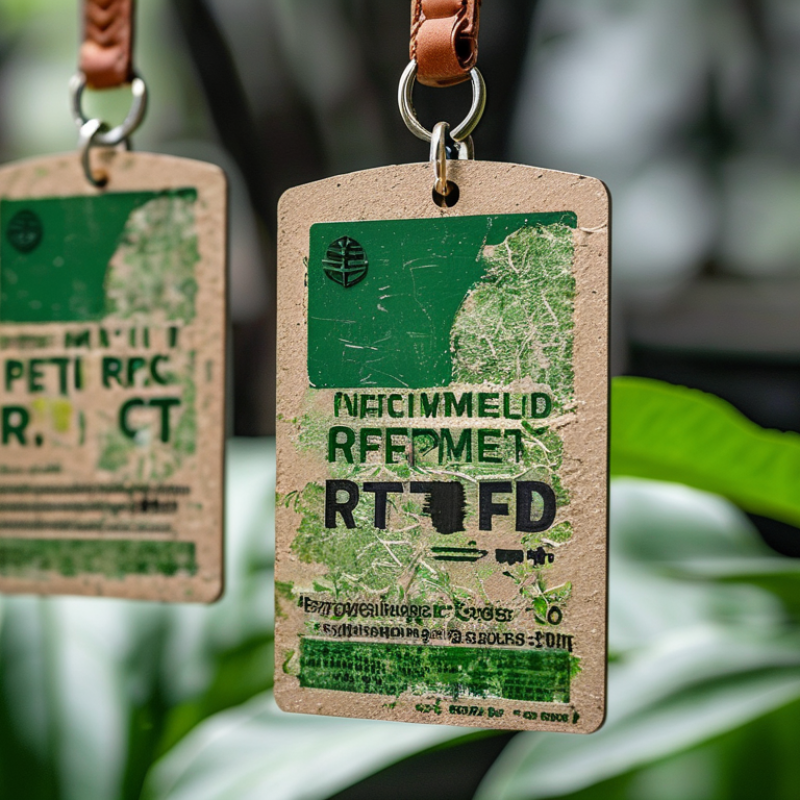
Advantages of Eco Friendly RFID PET Cards for Sustainable Businesses
Eco-friendly RFID PET cards are gaining traction among businesses seeking sustainable solutions. These cards can significantly reduce plastic waste by using recycled materials. Studies show that replacing traditional PVC cards with PET cards can lower carbon emissions by up to 40%. This is particularly crucial as companies strive to meet stringent environmental regulations and consumer demands for greener alternatives.
In addition to being environmentally friendly, RFID PET cards offer durability and efficiency. They can withstand various environmental conditions, making them suitable for outdoor uses. A report from the Environmental Protection Agency emphasizes that using recycled materials can decrease energy consumption by 30% in manufacturing processes. This translates to lower costs for businesses in the long term. However, some businesses may hesitate due to initial investment costs and the need for staff training on new RFID technologies.
Adopting eco-friendly RFID PET cards also aligns with corporate social responsibility goals. Many consumers today prioritize products that reflect their values. According to the Nielsen Global Corporate Sustainability Report, 66% of consumers are willing to pay more for sustainable brands. While the transition may require effort and adjustment, embracing this change can enhance brand loyalty and attract a growing demographic of environmentally-conscious consumers.
Eco Friendly RFID PET Card Benefits for Global Buyers
| Benefit | Description | Sustainability Impact | Global Market Relevance |
| Biodegradable Material | Made from PET, which is recyclable and biodegradable. | Reduces plastic waste in landfills and oceans. | Increasing demand in eco-conscious markets. |
| Durability | Resistant to wear and tear, ensuring longer lifespan. | Promotes reuse rather than disposability. | Valued by consumers seeking longevity in products. |
| Cost-Effectiveness | Competitive pricing compared to traditional plastic cards. | Encourages businesses to switch to greener alternatives. | Appealing to budget-sensitive, eco-conscious buyers. |
| Customizable Designs | Easily printed with various designs and logos. | Encourages brands to highlight their sustainability efforts. | Enhances brand visibility in a green marketplace. |
| RFID Technology | Integrates advanced tracking and identification features. | Improves resource management and tracking. | In-demand across various industries globally. |
Understanding the Materials Used in Eco Friendly RFID PET Cards
Eco-friendly RFID PET cards are gaining popularity in various industries. These cards are made from recycled PET plastic, which helps reduce environmental impacts. This material is lightweight and durable, making it ideal for frequent use. The production process also emits fewer greenhouse gases compared to traditional PVC cards. However, it is essential to consider the limitations of recycled materials, such as availability and quality consistency.
The transition to eco-friendly materials offers significant benefits. However, there might be concerns regarding the lifecycle and recycling processes of these cards. While they are designed to be more sustainable, users should ensure proper disposal methods are in place. An informed approach can help mitigate potential drawbacks. Leveraging eco-friendly RFID PET cards can contribute positively to corporate sustainability goals while enhancing efficiency.
Adopting these cards supports a greener future. Nonetheless, businesses must also focus on the complete supply chain. Every step matters, from sourcing raw materials to their eventual disposal. Quality control should be a priority, as not all suppliers adhere to the same standards. Effective collaboration can drive innovation and lead to better solutions.
Cost-Effectiveness of Eco Friendly RFID PET Cards for Global Buyers
Eco-friendly RFID PET cards are revolutionizing the way businesses approach sustainability. These cards are made from recycled materials, making them a greener alternative to traditional plastic cards. For global buyers, the cost-effectiveness of these cards is a significant advantage. Reduced production costs often translate into lower prices for consumers.
Manufacturers of eco-friendly RFID PET cards have optimized their processes to ensure high-quality products that do not compromise performance. By sourcing materials responsibly, companies effectively reduce their carbon footprint. This aspect resonates with environmentally conscious buyers looking to make a positive impact.
While the initial investment may seem higher for eco-friendly options, long-term savings can be evident. Durability means fewer replacements, resulting in lower overall costs. However, some companies may still be hesitant to switch, fearing the reliability of new materials. It's crucial to weigh these concerns against the growing demand for sustainable practices. Global buyers must consider both immediate costs and the broader benefits of adopting eco-friendly solutions.
Environmental Impact Comparison: RFID PET Cards vs. Traditional Cards
The shift towards eco-friendly solutions is crucial in today's world. RFID PET cards, made from recycled materials, offer a sustainable alternative to traditional plastic cards. Unlike PVC cards, which take hundreds of years to decompose, PET cards are more environmentally friendly. Their production process emits fewer harmful pollutants, contributing to cleaner air and less waste.
Despite these advantages, challenges remain. The recycling infrastructure for PET is not uniformly available worldwide. Transitioning to RFID PET cards requires investment in new technologies and processes. Some manufacturers may find it easier to stick to conventional materials rather than adopt new practices. Education on recycling options for consumers is also lacking, leading to potential misuse.
Cost effectiveness is another area of concern. While PET cards can be cheaper in the long run, their initial price may discourage some buyers. It's essential for companies to weigh immediate costs against the long-term environmental benefits. This reflection on sustainability should drive the industry forward, focusing on creating a greener future.
Applications of Eco Friendly RFID PET Cards Across Various Industries
Eco-friendly RFID PET cards are gaining popularity across various industries. They are made from recycled materials, making them a sustainable option. Many companies are looking for greener alternatives. These cards are not only durable but also lightweight. Businesses can use them for a range of applications.
In retail, eco-friendly RFID cards streamline inventory management. They enhance customer experience by reducing checkout times. In logistics, these cards support tracking and monitoring. They help companies maintain efficient supply chains. The transportation sector benefits as well, using these cards for ticketing systems.
Healthcare institutions are adopting eco-friendly RFID technology too. These cards can improve patient identification and medication tracking. However, transitioning to eco-friendly options isn't without its challenges. Some industries may hesitate due to initial costs. But the long-term benefits often outweigh the upfront investment. Companies should carefully evaluate their needs and consider making the switch to sustainable solutions.