How to Choose the Best CNC Router for Your Business Needs?
Choosing the right CNC Router for your business is crucial. With so many options on the market, it's easy to feel overwhelmed. Industry expert John Smith says, "Selecting the right CNC Router can make or break your production efficiency." This highlights the importance of informed decision-making.
A CNC Router is more than just a machine; it’s an investment in your business’s future. Understanding your specific needs is vital. Different materials, production volumes, and precision requirements can influence your choice. Without careful consideration, you may end up with a model that doesn't meet your demands.
Take time to evaluate your options. Visit trade shows or reach out to vendors for demonstrations. A direct experience can clarify which CNC Router aligns best with your objectives. Reflect on the features you prioritize. Is it speed, precision, or versatility? Making a well-informed decision now can save you from costly mistakes later.
Understanding CNC Routers and Their Applications in Business
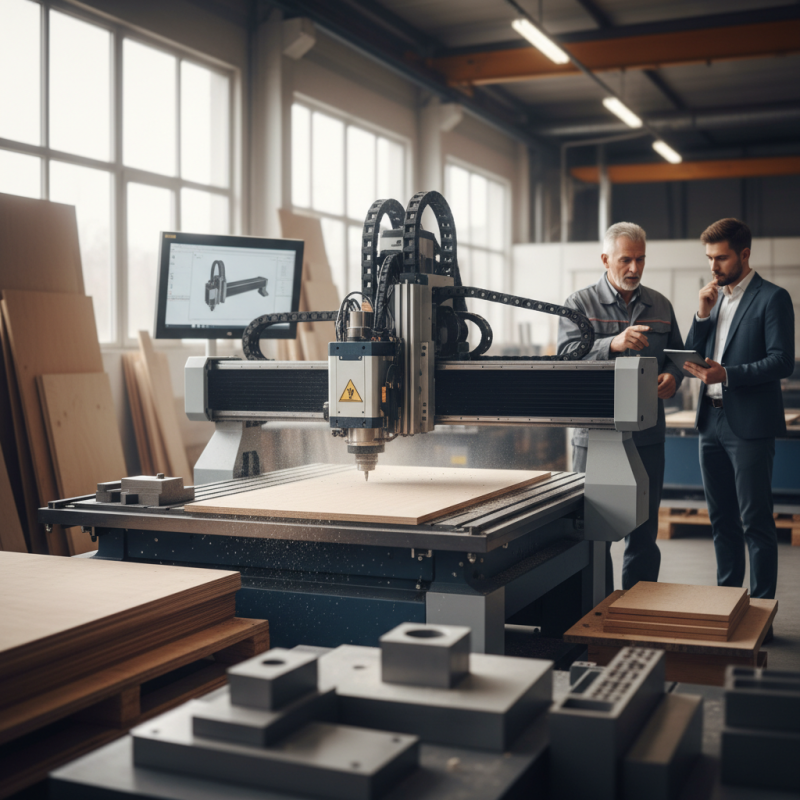
CNC routers are vital tools for various industries, from woodworking to metal fabrication. These machines provide precision and efficiency for cutting, engraving, and shaping materials. Understanding their applications is crucial for businesses looking to invest in CNC technology. According to a report by MarketsandMarkets, the global CNC router market is projected to reach $5.65 billion by 2026, with a compound annual growth rate of 6.2%. This growth highlights the increasing reliance on CNC routers across sectors.
For woodworking, CNC routers enable the production of intricate designs. They reduce manual labor and enhance productivity. In metalworking, precision is paramount. A study published in the Journal of Manufacturing Science found that CNC routers improve accuracy by 30%. This advantage is significant for industries that require detailed work, such as aerospace and automotive sectors. However, businesses must evaluate their specific needs, as not all CNC routers fit every application.
Furthermore, while investing in a CNC router provides many benefits, challenges exist. The initial setup can be complex, requiring skilled operators who understand both the technology and the material. Misalignment or programming errors can lead to costly mistakes. Data from the Bureau of Labor Statistics indicates that skilled CNC operators can command higher wages, emphasizing the need for proper training. Choosing the right CNC router involves balancing these factors carefully to ensure alignment with business objectives.
How to Choose the Best CNC Router for Your Business Needs?
| Feature | Description | Ideal Application | Price Range | Recommended Material |
| Wood CNC Router | Designed for carving and cutting wood materials. | Furniture, Signage, Decor | $2,000 - $10,000 | Plywood, MDF, Solid Wood |
| Metal CNC Router | Capable of cutting and engraving metal surfaces. | Manufacturing, Tooling | $10,000 - $50,000 | Aluminum, Steel, Brass |
| Foam CNC Router | Ideal for cutting soft materials such as foam. | Prototyping, Display Models | $1,500 - $7,000 | EPS Foam, Polyurethane Foam |
| Composite CNC Router | Versatile for various composite materials. | Aerospace, Automotive Parts | $5,000 - $30,000 | Carbon Fiber, Fiberglass |
| Laser CNC Router | Uses laser technology for cutting and engraving. | Art, Custom Signs | $3,000 - $20,000 | Acrylic, Wood, Leather |
Key Features to Consider When Selecting a CNC Router
When selecting a CNC router, it’s essential to focus on several key features. Spindle power is crucial; it determines the cutting capability. A powerful spindle allows for faster production and can handle thicker materials. Consider the size of the work area as well. It should accommodate your largest projects comfortably. This can drastically affect your workflow, so choose wisely.
Another important aspect is the control system. User-friendly software maximizes efficiency and reduces training time. Look for systems with intuitive interfaces, as they can greatly enhance productivity. Precision matters too. A router with high accuracy reduces waste and improves the quality of your finished products. Remember, even small discrepancies can lead to significant errors in large-scale projects.
Durability and maintenance are often overlooked. Routine maintenance can be a time drain, so selecting durable materials and easy-to-maintain components is wise. Look for routers that have positive reviews regarding longevity. These machines can represent a substantial investment, and you want to ensure they serve you well over time. Reflect on your specific needs and consider how often you’ll run the machine to decide on the ideal features.
Assessing Your Business Needs and CNC Router Requirements
Assessing your business needs is vital when selecting a CNC router. Each business has unique requirements. Are you crafting intricate designs or mass-producing goods? The purpose of the router influences machine specifications. Consider the materials you'll often use. Wood, plastic, and metal each require different types of routers. A deep understanding of your material can help narrow choices effectively.
Next, evaluate your production volume. If you anticipate high demand, investing in a more robust model pays off. Higher accuracy and faster speeds may become necessary for larger operations. On the other hand, a startup may opt for a more cost-effective choice. Reflect on your budget constraints. Would it be wiser to lease initially? Sometimes, the financial commitment of high-end machines isn't justified at the start.
As you assess these factors, consider future growth. Will your business scale up? Will you need additional features later on? Addressing such questions early avoids potential pitfalls. Picking a CNC router is not merely about immediate needs. It’s about aligning with your long-term vision. Ensure that your choice today suits your ambitions tomorrow.
Comparing Different CNC Router Brands and Models
When selecting a CNC router, comparing brands and models can be overwhelming. The market offers numerous options, each with unique features. Reports indicate that the CNC router industry is expected to grow by around 5.2% annually, reflecting its importance in manufacturing. Flexibility in design and scalability are crucial factors when assessing models.
Evaluate the precision and speed of different routers. Higher precision often leads to less material waste, impacting overall cost efficiency. Many users find that a model with adjustable speeds enhances production capabilities. Keep in mind that not all brands excel in customer support, which can affect your long-term satisfaction.
Tip: Consider reading user reviews for hands-on insights.
Focus on the software compatibility of various models. A CNC router that integrates smoothly with your existing software can streamline your processes. However, some brands may have limitations regarding software updates or compatibility with new technologies. Assessing these factors ensures your investment remains relevant.
Tip: Test the model before purchase, if possible.
Evaluating Budget and Long-Term Costs for CNC Routers
When evaluating budget and long-term costs for CNC routers, understanding the total cost of ownership is crucial. Reports indicate that businesses often overlook maintenance costs, which can significantly impact the bottom line. A CNC router may have a low initial purchase price, but its upkeep can accumulate over time. For example, planned maintenance typically costs about 10-15% of the initial investment annually.
Additionally, software and tooling expenses can add up quickly. If a router requires specialized software, it may cost thousands of dollars upfront and ongoing fees. Businesses must consider this alongside training costs for employees. Studies show that companies can spend up to 20% of their CNC router budget on training alone. This expense is often underestimated but is vital for optimizing performance.
Another factor to consider is energy consumption. Industry data suggests that CNC machines account for about 6-8% of total manufacturing energy usage. Choosing an energy-efficient model could lead to significant savings in the long run. Still, many businesses may hesitate to invest extra initially. It's essential to weigh these long-term savings against immediate costs to ensure sound financial planning. There is no one-size-fits-all solution, but understanding these aspects can lead to better decision-making.