How to Choose the Best Auxiliary Wheels for Your Needs?
When it comes to selecting the best Auxiliary Wheels, understanding their impact is crucial. Reports indicate that over 70% of professionals encounter challenges related to handling equipment. This highlights the importance of effective support systems. Auxiliary Wheels are vital for enhancing mobility and reducing strain on operators. In industries like logistics and manufacturing, choosing the right wheels can significantly improve efficiency.
Selecting the correct Auxiliary Wheels is not just a matter of preference; it requires careful consideration. According to industry studies, the right wheels can increase load capacity by up to 30%. However, many users overlook key factors such as wheel material, size, and durability. Poor choices can lead to equipment failure and safety hazards. Professionals must reflect on their unique needs to find the optimal solution.
Additionally, the landscape of Auxiliary Wheels is diverse. Factors like terrain and purpose influence the decision-making process. A wheel designed for smooth surfaces may not perform well on rough terrain. Many users may underestimate the complexity involved in selecting Auxiliary Wheels. Striking a balance between functionality and reliability is essential for achieving long-term satisfaction and performance.
Understanding the Different Types of Auxiliary Wheels Available
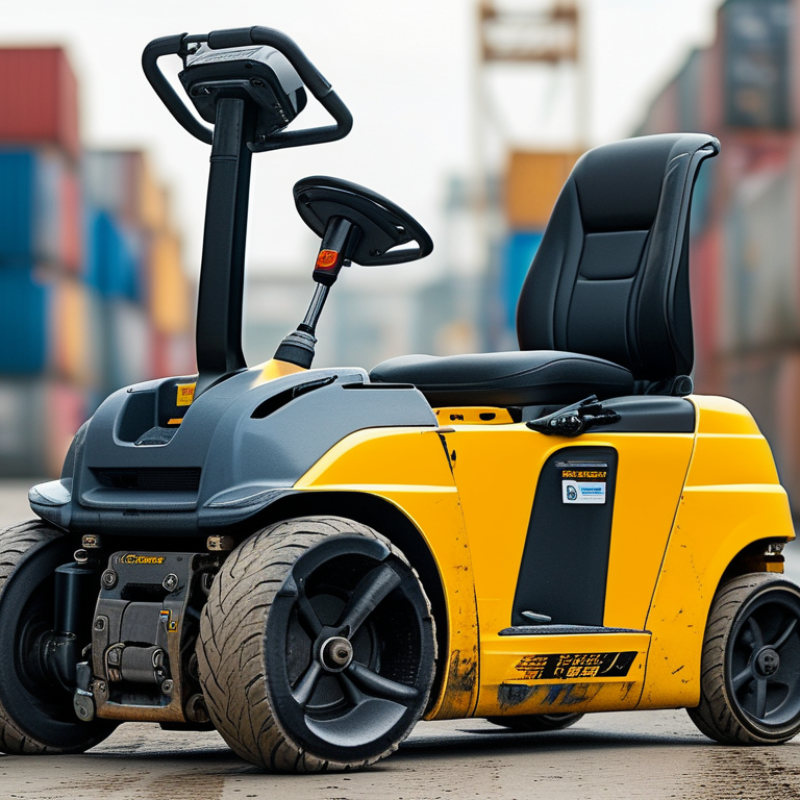
When selecting auxiliary wheels, understanding the different types is crucial. Auxiliary wheels come in various designs, each tailored for specific applications. For instance, solid rubber wheels are durable and provide excellent traction on smooth surfaces. They are ideal for industrial settings where heavy loads are common. In contrast, inflatable wheels offer cushioning and are perfect for uneven terrains. Their ability to absorb shocks makes them suitable for outdoor use.
Research from industry reports indicates that the demand for high-performance auxiliary wheels has increased by over 30% in the last five years. This rise is driven by the construction and logistics sectors, where efficiency is paramount. Heavy-duty wheels made from composite materials have gained popularity due to their lightweight yet strong characteristics. A common oversight is not considering load capacity when choosing wheels. Selecting wheels that do not match the load can lead to safety issues and increased maintenance costs.
Users often underestimate the importance of wheel size. Larger wheels may provide easier maneuverability but could also compromise stability. It’s essential to balance these factors based on intended use. Many organizations neglect this balance, leading to operational challenges. Engaging in thorough research and evaluating specific needs will greatly enhance performance and reliability in various applications.
Key Factors to Consider When Choosing Auxiliary Wheels
When selecting auxiliary wheels, it's crucial to consider several key factors that can significantly affect performance. The wheel size is one of the primary elements. Wheels range from 4 inches to over 10 inches in diameter, impacting stability and load capacity. A 2021 study by the International Wheel Association found that larger wheels handle rough terrains better, offering improved traction and durability.
Weight capacity is another important consideration. Auxiliary wheels need to support your unique load requirements. Research indicates that wheels with a higher weight rating tend to have a longer lifespan and can handle demanding environments. Assessing the specific weight limits based on your tasks is essential for optimal performance.
Material is also a defining factor in wheel performance. Common materials include rubber, plastic, and metal. Each has distinct properties that affect durability and comfort. For instance, rubber wheels provide better shock absorption on uneven surfaces, while metal wheels can provide strength in heavy-duty applications.
Check compatibility with your equipment before purchasing. Ensure wheels fit your setup to avoid performance issues. Evaluate different designs as well; some may not suit all terrains.
Before making your choice, test wheels under real conditions, if possible. Look for reviews from industry professionals to avoid common pitfalls. Working with auxiliary wheels involves some level of trial and error. It's part of the process to find what works best for your needs.
Assessing Weight Capacity and Load Requirements for Your Needs
When choosing auxiliary wheels, assessing weight capacity is crucial. Start by determining the maximum weight that your application will encounter. This may include the weight of the equipment and any additional load. Each type of wheel has a specific weight rating, and exceeding this can lead to failure. If you regularly transport heavy objects, wheels designed for high load capacities will serve better. Consider materials like reinforced rubber or steel for added durability.
Understanding load requirements also involves thinking about the terrain. Smooth surfaces may require different wheels than rough or uneven ground. Some wheels are better suited for outdoor use while others shine indoors. It's worth noting that not all wheels perform well across various conditions. Testing different options in real scenarios can help identify the best fit.
While focusing on weight and load, never overlook the wheel size. Larger wheels often navigate obstacles better. Yet, there's a balance to maintain. Oversized wheels can lead to stability issues. Reflect on how often you change loads or environments; this will guide your choice. In the end, every specific need has a corresponding wheel solution.
How to Choose the Best Auxiliary Wheels for Your Needs? - Assessing Weight Capacity and Load Requirements for Your Needs
| Wheel Type | Weight Capacity (lbs) | Load Requirements | Material | Applications |
| Standard Rubber Wheel | 200 | Basic transport tasks | Rubber | Hand carts, dollies |
| Heavy Duty Polyurethane Wheel | 500 | Medium to heavy loads | Polyurethane | Warehouse carts, pallet jacks |
| Industrial Steel Wheel | 1000 | Heavy loads/industrial use | Steel | Forklifts, industrial carts |
| Swivel Caster Wheel | 300 | Easy maneuverability | Nylon | Office furniture, medium carts |
| All-Terrain Wheel | 400 | Rough surfaces | Rubber/Tread | Outdoor carts, ATV trailers |
Evaluating Wheel Material and Design for Optimal Performance
Choosing the right auxiliary wheels can greatly impact your project's success. Evaluating wheel materials and designs is essential for optimal performance. Rubber wheels offer excellent grip and shock absorption. They work well on uneven surfaces. However, they may wear out faster than other materials. Consider the environment where the wheels will be used. Harder materials like plastic are more durable but can slide on slick surfaces.
Additionally, pay attention to the wheel design. Larger diameter wheels can roll over obstacles more smoothly. Smaller wheels are more maneuverable but may struggle with rough terrain. The width of the wheel also matters. Wider wheels distribute weight better, reducing the risk of sinking into soft ground. However, they may create more friction, affecting speed.
Keep in mind your specific needs. A strong, sturdy wheel might suit heavy loads, but it could be cumbersome. Conversely, a lightweight wheel could make transport easier yet might not handle heavy weights well. Balancing these factors can help you refine your choice. It's important to reflect on what aspects matter most for your application.
How to Choose the Best Auxiliary Wheels for Your Needs
This chart illustrates the performance of different wheel materials and designs based on user preferences and suitability for various applications.
Tips for Ensuring Compatibility with Your Equipment or Vehicle
Choosing the right auxiliary wheels is crucial for efficiency. Compatibility with your vehicle or equipment can make or break performance. According to industry reports, over 30% of users face issues due to mismatched wheels. These challenges often lead to increased downtime and maintenance costs.
To ensure compatibility, consider the weight capacity of the wheels. Look for specifications that match your equipment’s load requirements. A report by the International Equipment Association highlights that wheels with inadequate load ratings can lead to accelerated wear and safety concerns. Additionally, pay attention to the wheel diameter and width. These dimensions directly affect stability and maneuverability.
Installation ease is another factor to ponder. Many users overlook this and face installation challenges later. A study conducted in 2022 revealed that nearly 40% of users struggle with improper fitment. Research the types of fittings available for your specific equipment. Assess whether you need adapters or modifications. This understanding can save time and improve your overall experience. Compatibility isn’t just about mechanics; it’s about ensuring safe and effective operations in the long run.