How to Choose the Right Industrial Conveyor Systems for Your Needs?
Choosing the right industrial conveyor systems is crucial for optimizing productivity. According to a report by Research and Markets, the global conveyor systems market is expected to reach $10.3 billion by 2027, indicating robust growth. Efficient conveyor systems enhance workflow and minimize downtime in manufacturing and distribution.
Industry expert Dr. Emily Chen emphasizes the importance of customization in selecting conveyor systems. She states, “Not all industrial conveyor systems are created equal; understanding your specific needs is key.” Different industries require different solutions, making it essential to assess your operations thoroughly. Factors such as load type, speed requirements, and available space must be carefully considered.
While the benefits of conveyor systems are significant, some challenges persist. Many businesses overlook maintenance needs. Failure to address these can lead to costly downtime. A well-chosen conveyor system should not only meet immediate operational demands but also adapt to future needs. Therefore, a thoughtful selection process is vital to minimize risks and maximize efficiency.
Understanding Different Types of Industrial Conveyor Systems
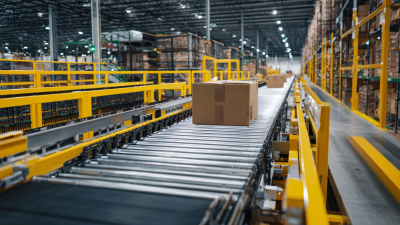
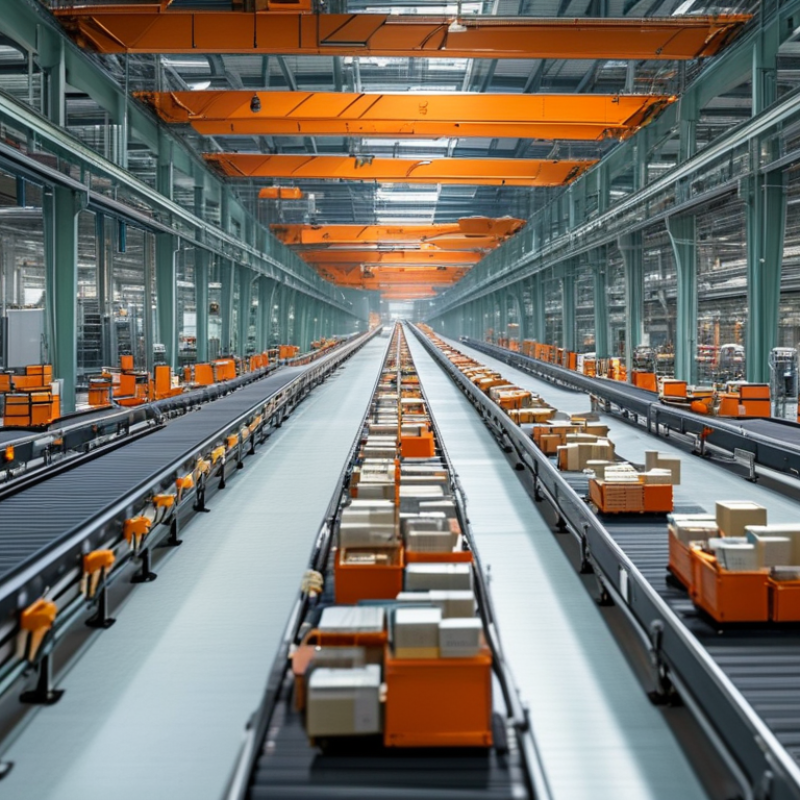
When it comes to understanding different types of industrial conveyor systems, familiarity with key features is essential. Various systems cater to specific industries and applications. For instance, belt conveyors are ideal for transporting bulk materials. They consist of endless belts that move goods efficiently. In contrast, roller conveyors are suitable for heavy loads. They operate on a set of rollers, enabling easy manual handling.
It's crucial to assess your unique requirements when selecting a conveyor system. Factors like the size, weight, and shape of materials play a significant role. Modular designs allow customization to fit different layouts. However, oversizing a conveyor could lead to unnecessary costs. Not all facilities have the same space, and fitting a bulky system can be challenging.
Moreover, you should consider maintenance requirements. Some systems demand regular inspection and service. Neglecting this can result in downtime and costly repairs. The choice between an automated system and a manual one also impacts efficiency. Balancing performance with operational needs requires careful thought. Understanding these differences is a step toward making an informed decision.
Analyzing Your Production Requirements and Workflow
When choosing the right industrial conveyor system, it’s crucial to analyze your production requirements and workflow. Start by assessing your production capacity. How many items do you need to move each hour? Identify the types of materials being transported. Consider their weight, size, and how they interact with each other. This detail is essential for selecting the right conveyor type.
Tip: Document your current workflow. Understanding how products move through your facility reveals bottlenecks. Look for areas where delays often occur. This analysis can guide you in selecting a conveyor that enhances your efficiency.
Additionally, think about the layout of your workspace. Will the conveyor fit seamlessly into your production line? Measure the available space. Consider vertical and horizontal movement. Conveyors can be customized, but they must align with your existing infrastructure. This adjustment might require careful planning.
Tip: Engage with your team. Their insights can highlight practical challenges that numbers might not show. They may offer perspectives on how material flow can improve with the right conveyor system. Reflect on their feedback. Real user experiences can often illuminate your path to efficiency.
Factors to Consider for Conveyor System Design and Layout
When designing an industrial conveyor system, several key factors come into play. First, consider the type of materials being transported. Different materials, such as
heavy metal parts or lightweight packages, require different handling methods.
Analyze the weight, shape, and fragility of the materials. This helps in selecting the right conveyor type, whether it’s a belt, roller,
or bucket conveyor.
Next, evaluate the layout of the facility. The space available for the conveyor system greatly impacts its design. Measure the dimensions and identify any obstacles that could impede operations.
A poorly planned layout can lead to inefficiencies or increased wear and tear on the equipment. Think about future needs too. As processes evolve,
conveyor systems may need to expand or change. Flexibility in the design can accommodate these potential changes, enhancing the system's overall reliability.
Finally, consider the speed and control of the system. Different applications will require varying speeds, impacting productivity. Control systems must be user-friendly
and easily accessible to monitor operations effectively. Balancing these factors ensures you have a well-designed system that meets both current and future needs.
It's essential to reflect on these aspects to prevent costly mistakes later on.
Evaluating Material Handling and Load Capacity Needs
Selecting the right industrial conveyor systems starts with understanding your load capacity needs. A comprehensive analysis ensures efficiency. Industry reports show that material handling capacity significantly impacts productivity. For example, conveyors should handle weights that vary from a few pounds to several tons, depending on the application.
Evaluating these needs requires specific calculations. Research indicates that nearly 70% of manufacturing facilities prioritize load capacity when choosing a conveyor. This reflects the critical role of proper assessment. Misjudging capacity can lead to operational delays. Weight distribution also matters. Unevenly loaded systems can cause failures or reduce lifespan.
Moreover, material handling requirements vary widely across industries. Factors like material type and size influence system choice. For example, bulk materials require different handling solutions than packaged goods. Companies must account for these variables. Data shows a 30% increase in efficiency when systems align with load requirements. Finding balance can be challenging, but meticulous planning pays off.
How to Choose the Right Industrial Conveyor Systems for Your Needs? - Evaluating Material Handling and Load Capacity Needs
| Method of Conveyance |
Material Type |
Load Capacity (lbs) |
Speed (ft/min) |
Application |
| Belt Conveyor |
Granular Materials |
500 |
90 |
Food Processing |
| Roller Conveyor |
Boxed Goods |
350 |
120 |
Warehouse Distribution |
| Screw Conveyor |
Powdered Materials |
300 |
60 |
Chemical Processing |
| Chain Conveyor |
Heavy Pallets |
1000 |
75 |
Automotive Industry |
| Overhead Conveyor |
Clothing Items |
200 |
100 |
Textile & Apparel |
Cost-Benefit Analysis of Conveyor Systems and Maintenance Options
When considering industrial conveyor systems, a cost-benefit analysis is crucial. Evaluate installation costs, operational expenses, and potential savings from increased efficiency. The upfront investment can be substantial. However, the long-term benefits often outweigh these initial costs. With the right system, you can reduce manual labor and improve product flow.
Maintenance options also play a key role in overall expenses. Regular upkeep minimizes downtime and extends equipment lifespan. Budgeting for routine inspections and repairs is essential. Remember, neglecting maintenance may lead to higher costs later.
The wrong choice may cause inefficiencies that impact productivity. Each facility has unique needs. It’s important to reassess operational goals regularly.
In conclusion, analyze all aspects carefully. Weigh the benefits of advanced technology against budget constraints. Seek expert advice to make informed decisions. In doing so, businesses can ensure they select the right conveyor system tailored to their specific needs.