How to Choose the Best Case Packer for Your Business Needs?
Choosing the right case packer is essential for any business involved in packaging products efficiently. According to industry expert John Smith, "A well-selected case packer can streamline operations and enhance productivity." His experience in packaging technology highlights the importance of this equipment in modern supply chains.
When evaluating case packers, consider various factors. These include the type of products, production speed, and available space. Each business has unique needs that must be addressed by the right machinery. Often, companies overlook the long-term implications of their choice, leading to inefficiencies down the road.
Moreover, selecting a case packer is not merely a technical decision but also a strategic one. It should align with your overall business goals. Many businesses have faced challenges from poor equipment choices, reinforcing the need for careful assessment. Balancing cost, features, and reliability becomes crucial in this intricate selection process.
Understanding Your Business Requirements for Case Packing
When considering case packing solutions, understanding your business requirements is crucial. Each business has unique needs. Are your products fragile, heavy, or oddly shaped? These factors greatly impact your choice. Effective packing minimizes damage and ensures efficiency during shipping and handling.
Assessing your production volume is also vital. High-output operations might require fully automated systems, while small businesses may benefit from semi-automated or manual options. It's essential to evaluate current and future growth. Will your demand increase in the coming years? Scarcity in flexibility can hinder progress, necessitating a reflective approach to your equipment selection.
Incorporating specific metrics into your decision-making process helps clarify your needs. Understand the dimensions of your products and the current packaging space. Evaluate labor costs and the skill level of your workforce. If the learning curve is steep for employees, it may require additional training. This reflection can lead to a more informed choice that aligns with your operational capabilities. Consider collaborating with an expert to navigate these challenges effectively.
Evaluating Different Types of Case Packers Available
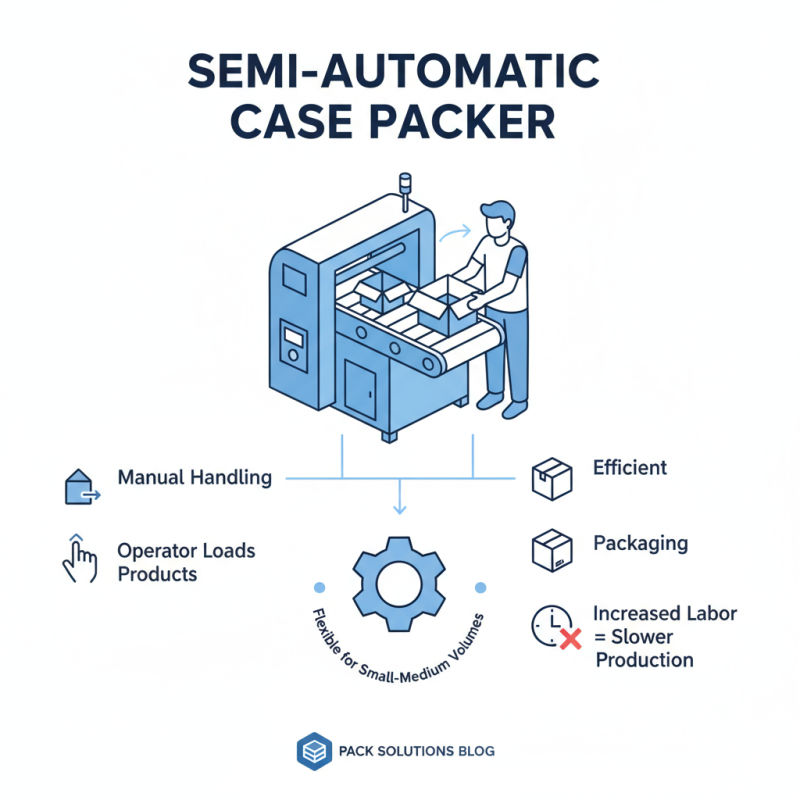
When selecting a case packer, various options are available to suit different business needs. One type is the semi-automatic case packer. This machine requires some manual handling. Operators load products onto the machine, which then packages them efficiently. It offers flexibility, especially for small to medium sales volumes. However, it may slow down production rates with increased labor.
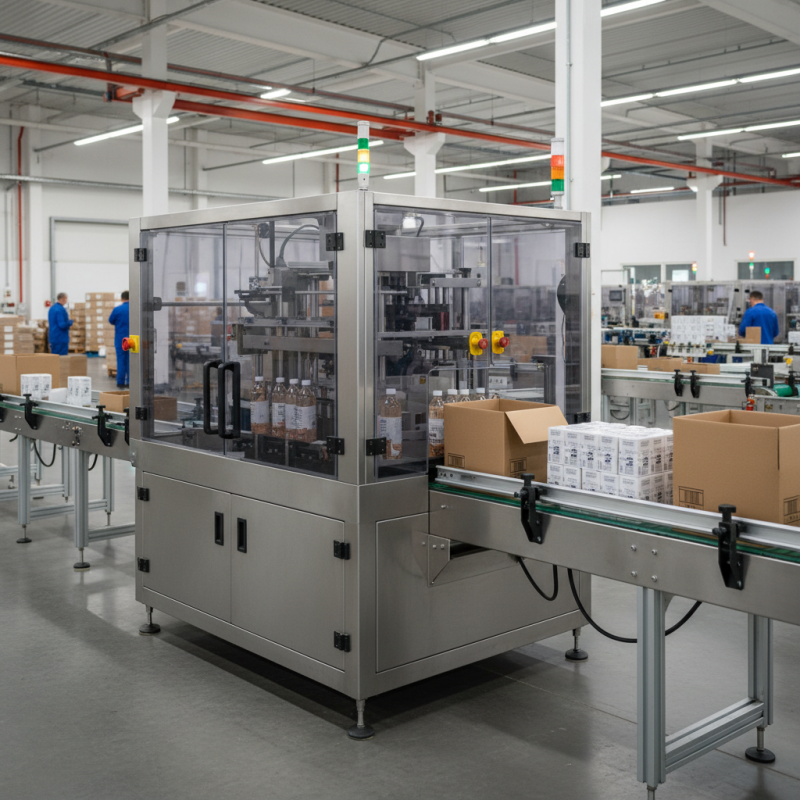
In contrast, fully automatic case packers take center stage in high-demand environments. These machines handle the entire packing process, minimizing human involvement. They excel in speed and precision, suitable for large production volumes. Yet, initial costs can appear daunting. Employers must also consider maintenance and operator training.
Lastly, the end-of-line case packers serve specialized needs. They can integrate with conveyor systems for streamlined operations. These systems can adapt to various product sizes and shapes. However, they might require space and specific configurations. As businesses grow, so will their unique demands.
Key Features to Look for in a Case Packer
Choosing the right case packer for your business involves understanding key features that meet your specific needs. An efficient case packer should offer speed and flexibility. Look for models with adjustable settings. This way, you can handle various products without significant downtime. Many businesses overlook the importance of compatibility. Ensure the case packer works well with your existing machinery.
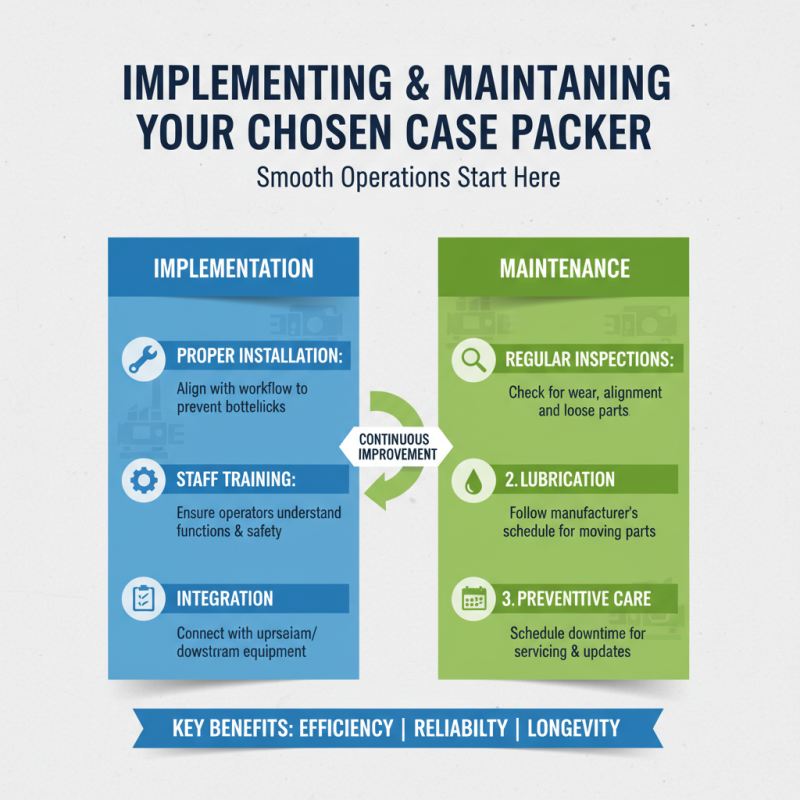
Consider ease of operation. A user-friendly interface simplifies training for your staff. This can also increase your productivity. It’s vital to think about maintenance requirements. Machines that need extensive servicing can disrupt your workflow. Regular upkeep should be manageable and quick.
Tips: Evaluate the machine's efficiency under different conditions. Don’t hesitate to ask for a demo. An effective case packer should handle your products smoothly. Seek feedback from operators. Their insights can reveal unforeseen challenges and areas for improvement.
Assessing Cost vs. Efficiency in Case Packing Solutions
When considering case packing solutions, one crucial factor is the trade-off between cost and efficiency. According to a report by Smithers Pira, packaging accounts for nearly 30% of total production costs in the consumer goods sector. It shows how vital it is to find a balance that supports operational efficiency while being mindful of budget constraints.
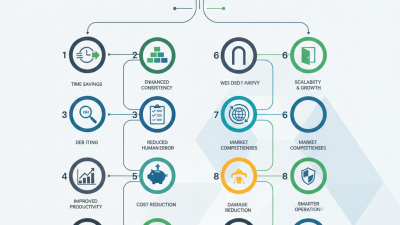
Investing in automated case packers can lead to significant long-term savings. Studies indicate that automation can enhance productivity by up to 40%. This improvement can reduce labor costs and minimize errors during the packing process. However, the initial investment in such technology can be daunting for smaller operations. A thorough assessment is necessary to justify the upfront costs against expected returns.
Furthermore, not all packing systems suit every product. For example, delicate items require specialized handling, leading to higher costs. If the packing solution does not align with product requirements, businesses may face increased waste and inefficiencies. Evaluating the right type of case packer should consider the specific needs of the product line and overall production goals. Balancing these aspects can be difficult, but it is essential for sustainable growth.