How to Choose the Best Automation Products for Your Business?
In an era where efficiency is paramount, businesses are increasingly turning to automation products. According to a recent report by McKinsey, automation could enhance productivity by 20 to 25% across various industries. This remarkable potential positions automation as a game-changer for operational success. However, selecting the right products can be daunting.
Many businesses struggle with their choices. A survey from Deloitte found that 65% of organizations face challenges when implementing automation. This suggests that while the need for automation products is clear, the pathway to effective implementation remains fraught with uncertainty. It's vital to consider compatibility with existing systems and scalability options.
Each solution should align with the business’s unique goals. For instance, the reluctance to invest in automation often stems from concerns over hidden costs or complexity. Understanding the specific needs and potential risks upfront can mitigate these issues. Ultimately, a thoughtful approach to selecting automation products can lead to significant gains in efficiency and productivity.

Understanding Your Business Needs for Automation Solutions
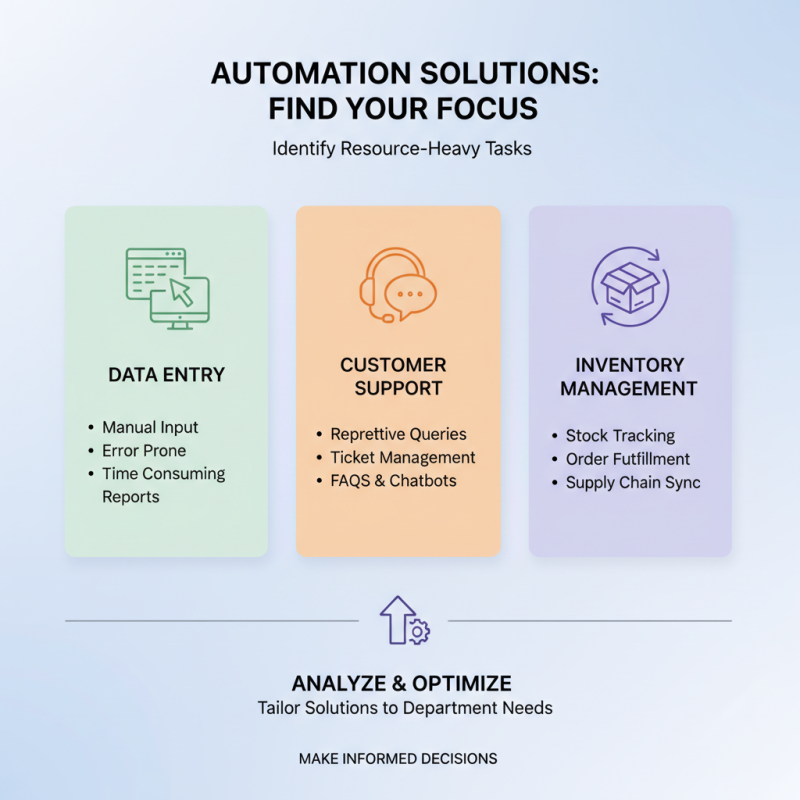
When considering automation solutions for your business, understanding your specific needs is crucial. Identify the tasks that consume most of your resources. Is it data entry, customer support, or inventory management? Analyzing these areas helps in making informed decisions. Each department may have unique requirements. What works for sales might not suit operations.
Take time to engage your team. Gather insights from those who handle daily tasks. They may identify processes that are ripe for automation. Often, team members have valuable ideas that leadership overlooks. This collaborative approach can reveal gaps.
Testing different solutions can also help. Pilot programs allow you to evaluate effectiveness without a full commitment. Not every automation tool will meet your expectations. Some may complicate existing workflows or lead to frustration. Reassess your choices regularly. Automation should simplify processes, not create new challenges.
Identifying Key Automation Features That Enhance Efficiency
When choosing automation products, identifying key features is crucial for enhancing efficiency. A recent industry report revealed that 70% of businesses reported significant improvement in productivity after implementing automation solutions. Focus on features like scalability and integration. These elements allow a product to grow with your business. Scalability ensures the system can handle increased demands over time.
Automation tools should also provide real-time analytics. This feature enables businesses to make data-driven decisions quickly. Yet, many systems fall short in user-friendliness. A complex interface can lead to errors and confusion. Training employees is often a necessity, but it can be time-consuming. A study indicated that 60% of employees felt overwhelmed by the new technology.
Another critical aspect is customization. Not all businesses have the same needs. Customizable features help tailor the product to specific workflows. This personalization can boost effectiveness but may require additional investment. Balancing functionality with ease of use is a challenge. Remember that what works for one company may not work for another. Each decision should be well thought-out.
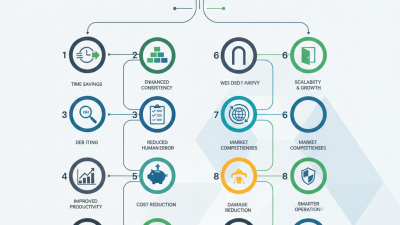
Key Automation Features Enhancing Business Efficiency
Evaluating Different Types of Automation Products Available
When evaluating different types of automation products, businesses should consider their specific needs.
For instance, customer relationship management (CRM) tools can help streamline communication.
These systems track interactions with clients, ensuring no valuable leads are missed.
However, not all CRMs are user-friendly. A complex interface can lead to frustration.
Another area to consider is workflow automation. This type of product eliminates
repetitive tasks, freeing up valuable employee time. Many organizations have found success using these tools to manage
approvals and reporting. However, if the workflow isn't well-defined, the automation can lead to confusion, making things worse.
Artificial intelligence (AI) tools are becoming popular for data analysis. They provide insights that can drive
business decisions. Yet, businesses must ensure data quality before relying on AI. Poor data can lead to misleading conclusions.
The right automation solution should align with your business goals and adapt as those evolve. This aids in making informed choices
instead of jumping on trends. Reflect on the potential pitfalls and ensure the chosen products truly meet
your unique requirements.
Comparing Costs and ROI of Automation Solutions
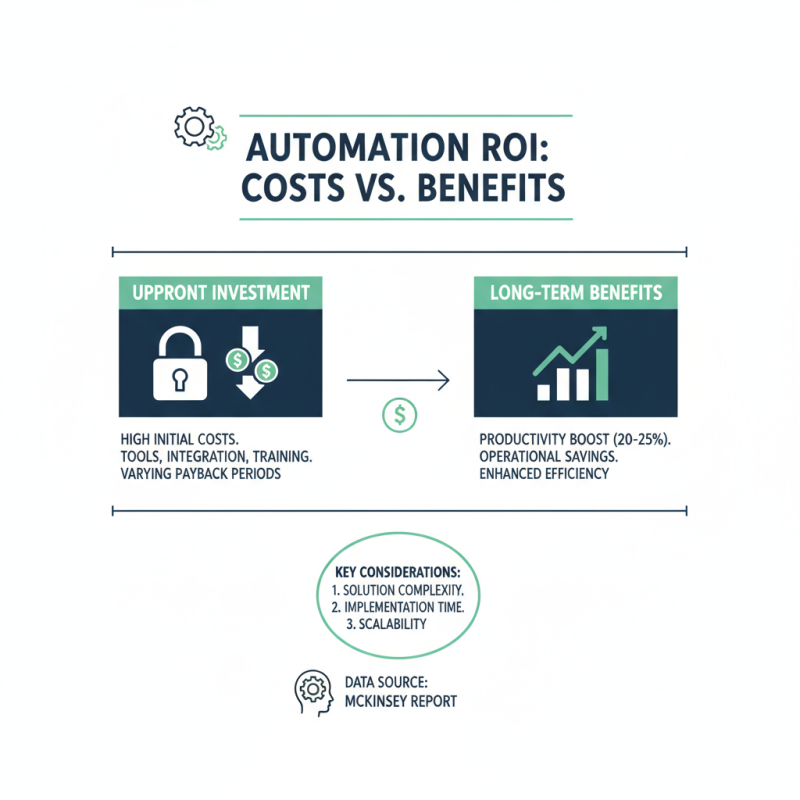
When comparing costs and ROI of automation solutions, businesses must consider various factors. A McKinsey report suggests that automation can enhance productivity by 20-25%, leading to significant long-term savings. However, these benefits will depend heavily on the upfront investment. Some automation tools may require high initial costs that can take time to recoup.
It's crucial to conduct a thorough cost analysis. Consider direct costs like software and hardware, and indirect costs such as training and maintenance. A study by the Institute for Robotic Process Automation indicates that companies often see an average ROI of 30-200% within the first year. Yet, not all projects deliver these outcomes. Many initiatives may stall due to lack of proper planning or employee resistance.
Analyze how automation fits into your specific workflows. It’s not enough to choose popular solutions; effectiveness varies across industries and tasks. Some organizations report implementation issues that negatively impact productivity. A misaligned system can lead to wasted resources rather than efficiencies. Assessing both quantitative and qualitative metrics can help reveal the true value of automation projects.
Researching Vendor Reputation and Support Services
When selecting automation products, vendor reputation is crucial. A strong reputation often indicates reliability and quality. Look for reviews online. Check forums and social media for user feedback. It's essential to know what other businesses think. Negative comments can provide insight into potential pitfalls. Pay attention to recurring issues. If many users point out similar problems, consider that a red flag.
Support services are just as important as the product itself. Reliable support can save you time and frustration. A vendor should have a responsive team. They should offer various channels, like phone, email, and chat support. Test this by reaching out with questions. If their response is slow or unhelpful, reconsider your choice. Good support can make challenging times easier.
Assessing vendor reputation and support should not be rushed. Take your time to research thoroughly. Mistakes can be costly, and the wrong choice may hinder your operations. Ensure you are confident in your decision before making any commitments. A little diligence now can pay off significantly later.