How to Choose Automation Products for Global Sourcing?
Choosing automation products for global sourcing is not simply a price comparison exercise. It is a decision about performance, compliance, service, and long-term risk. A robotic arm may look efficient in a supplier’s showroom, yet fail in a humid factory with unstable power. Real production conditions matter.
Buyers should examine the product’s intended use, operating environment, integration requirements, and maintenance needs. Check technical specifications carefully, including cycle time, payload, accuracy, energy use, and software compatibility. Reliable suppliers should provide clear documentation, traceable quality records, and relevant certifications for target markets. Independent testing can add confidence when claims seem too polished. Ask for references from factories with similar production volumes.
Service capacity is equally important. A replacement sensor delayed for six weeks can stop an entire line. Confirm spare-parts availability, remote support, training, warranty terms, and local technicians before signing a contract. Total cost should include installation, programming, shipping, duties, upgrades, and downtime—not only the purchase price. Automation products also require a practical assessment of worker safety and responsible data handling.
No checklist is perfect. A pilot order may reveal integration problems that brochures hide. Buyers should document those findings and revise their criteria before scaling globally. Currency changes, transport delays, and changing technical standards can also affect the decision. The strongest sourcing process combines hands-on testing, qualified engineering advice, supplier verification, and honest review of operational risks. It does not chase the newest machine. It selects equipment that can perform reliably, legally, and economically across real working conditions.
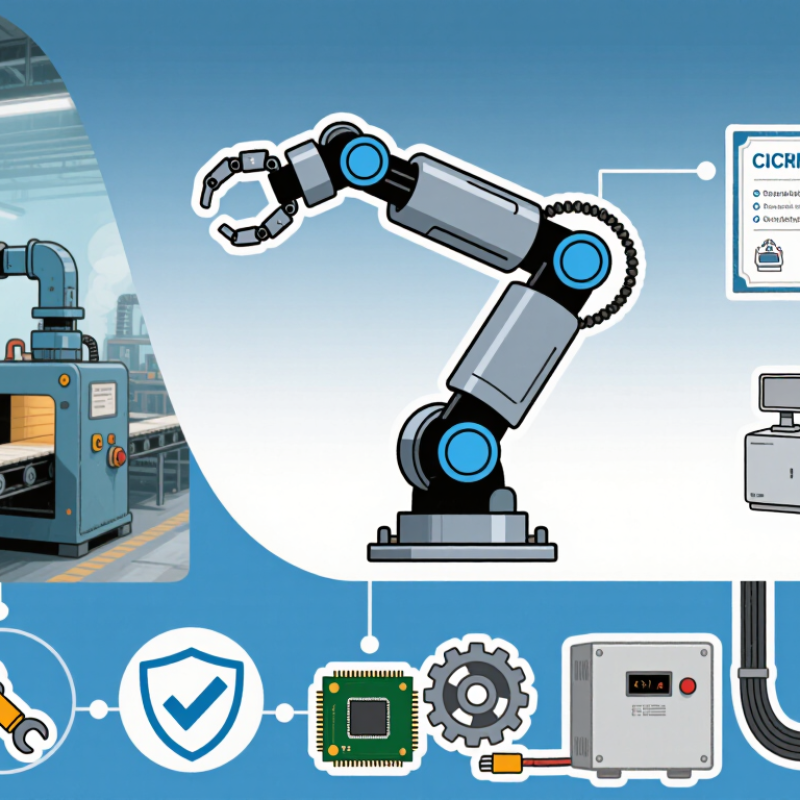
Define Automation Needs and Global Sourcing Goals
Choosing automation products for global sourcing begins with a clear definition of operational needs. Start with the workflow. Observe where workers lose time, repeat motions, or record errors. Measure cycle time, output, defect rates, and required operator skills. A packaging line may need faster handling, while a warehouse may need accurate tracking. These are different problems and require different solutions.
Set sourcing goals before contacting suppliers. Decide whether the priority is lower labor cost, stable quality, flexible production, or faster delivery. Include installation, training, spare parts, software updates, and energy use in the total cost. A low purchase price can become expensive when local technical support is limited. That gap matters. Check supplier experience in similar environments, documented test results, safety procedures, and communication capacity across time zones.
Global projects also need practical risk controls. Confirm electrical standards, machine dimensions, language requirements, data protection expectations, and import documentation before ordering. Request a factory acceptance test with measurable performance targets. Pilot before scaling. During one sourcing project, a team focused heavily on output speed and underestimated changeover time. The equipment performed well, but product switching disrupted production. That mistake encouraged a better question: how will the system perform on an ordinary, difficult day? Leave room for review. Automation plans often change after operators use the equipment, and their feedback may reveal needs that spreadsheets miss.
How to Choose Automation Products for Global Sourcing?
Define automation needs and global sourcing goals by comparing where industrial automation demand is concentrated. Industry installation levels can help prioritize application fit, production capacity, integration capability, and long-term service requirements.
Industrial robot installations by industry in 2023, shown in thousands of units. Rounded figures based on publicly reported global industry data from the International Federation of Robotics.
Evaluate Suppliers, Certifications, and Manufacturing Capabilities
Choosing automation products for global sourcing starts with supplier evidence, not catalog images. In supplier evaluations, I have learned that polished samples can hide weak process control. Ask for recent audit reports, production flow charts, and traceable quality records. Check whether certifications match the factory site, product category, and current validity period. A certificate without verification is only paper. Contact the issuing organization when records appear unclear.
Certifications should support your risk assessment. For electrical equipment, request safety test reports, material declarations, and inspection procedures. For industrial systems, review documentation for software, wiring, emergency functions, and maintenance access. Confirm that reports cover the exact model, not a similar prototype. Language matters too. Clear manuals reduce installation errors across different teams. I once accepted a translated specification too quickly, and a small measurement mistake delayed testing.
Manufacturing capability needs practical proof. Review machine lists, process tolerances, calibration schedules, and monthly output. Ask how the supplier handles design changes, rejected parts, and urgent replacement units. A factory may promise high volume but lack stable component control. Request a pilot batch with numbered samples and inspection results. Visit the assembly area if possible. Look for labeled bins, clean cable routing, and workers following visible procedures. Do not ignore weaknesses. A supplier with limited capacity may still be dependable if its controls are transparent and its improvement plan is specific.
Test, Select, and Manage the Automation Product Purchase
Global sourcing automation products requires more than comparing catalog prices. In my projects, smooth demonstrations sometimes hid difficult maintenance. Suppliers must prove performance under real production conditions. Define the task, cycle time, material variation, and operator skill before requesting quotations. Ask for test samples and written acceptance criteria. Small details matter. Measure changeover time with a stopwatch, not a sales estimate. This exposes gaps early and gives your team evidence for selection.
Tips:
Build a short trial protocol. Test accuracy, repeatability, safety functions, noise, energy use, and fault recovery. Run the product through normal and stressful conditions. Record failures honestly. Failed tests provide useful data. Compare total ownership cost, including installation, training, spare parts, software updates, and local technical support. I once underestimated integration labor. The purchase price looked attractive, but commissioning consumed several extra weeks. That mistake changed our evaluation sheet.
After selection, manage the purchase through staged approvals. Confirm drawings, interfaces, delivery milestones, documentation, and acceptance tests in writing. Require troubleshooting procedures and a clear replacement process. Keep one person responsible for communication. Do not assume every promised feature is production-ready. Some functions may need tuning. Review the first month weekly, using downtime logs and operator feedback. Be ready to revise the specification. A rigid plan can protect a bad decision.