






Choosing the right dash cam manufacturer can shape your product quality, customer trust, and long-term business results. It is not only about comparing factory prices. A dependable partner should understand image sensors, night recording, storage stability, firmware updates, and real driving conditions.
Jason Lin, a product specialist with Great-will, says, “A reliable dash cam begins with stable recording, not flashy packaging.” This point deserves attention. A camera may look impressive in a showroom, yet fail after heat exposure, vibration, or repeated memory-card use. Ask manufacturers for sample footage, testing details, warranty terms, and clear answers about production consistency.
Look closely at the small details. Can the lens capture readable plates at dusk? Does the device restart correctly after a sudden power cut? Are the mobile application and user instructions easy to understand? These questions reveal practical experience. They also separate a real supplier from a simple trading company.
A capable Great-will wholesale dash cam manufacturer should offer flexible branding, responsive communication, and dependable quality control. Certifications matter, but they should support actual performance. They should not replace it.
Experience matters more.
Review the manufacturer’s factory process, product range, and previous export markets. Request a physical sample before approving a large order. Check packaging strength, cable length, mounting quality, and recorded audio. These details can expose weaknesses early.
No supplier is perfect. Even an experienced manufacturer may need improvement in software, delivery planning, or technical support. That is worth discussing honestly. A transparent partner admits limitations and proposes workable solutions. The best choice is usually not the cheapest factory. It is the supplier that can deliver consistent products, useful support, and fewer unpleasant surprises.
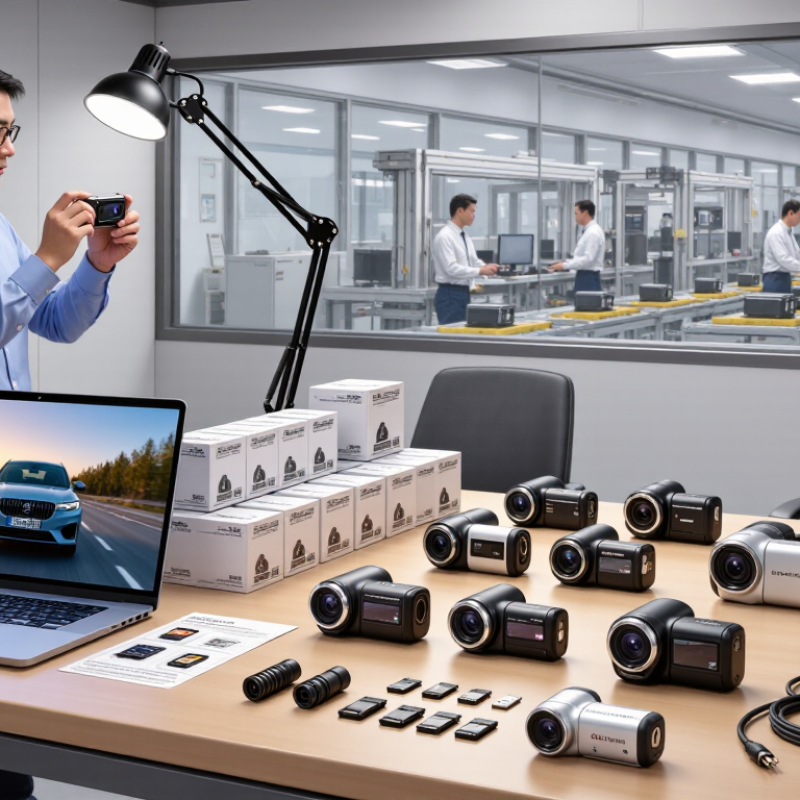
Define your dash cam requirements before comparing manufacturers. A daily commuter may need clear daytime recording, simple controls, and reliable loop storage. A delivery vehicle may require wider coverage, stronger heat resistance, and longer recording hours. Parking protection is useful, but it can increase power consumption and installation complexity. Decide what matters most.
Check plate clarity at dusk, glare through a wet windshield, and image stability on rough roads. Night footage matters. So does audio control. Consider storage capacity, video format, mounting strength, and app usability. If several drivers will use the system, clear instructions and steady firmware support become important. A detailed warranty and responsive technical service also reveal a manufacturer’s reliability.
A high resolution number cannot fix poor exposure or weak software. Ask whether the manufacturer provides sample footage, product testing data, installation guidance, and replacement procedures. Look for consistent quality control and transparent limitations. I once treated a longer feature list as better value, but daily use exposed unnecessary settings and confusing alerts. That mistake is worth remembering. Your intended use should guide every question, from sensor performance to after-sales support. Test carefully. Revised requirements may be wiser.

Choosing a great dash cam manufacturer starts with evidence, not attractive specifications. Request daytime and nighttime sample footage before comparing models. Check whether road signs remain readable at fifty meters. Look for natural colors, balanced exposure, and sharp details around moving vehicles. Low-light testing matters most. Shadows can hide important information.
I have tested cameras during rain, glare, and sudden tunnel entrances. A strong device keeps recording without frozen frames or distorted audio. Wide dynamic range helps, but it cannot repair poor sensors. Ask about video resolution, frame rate, compression, and storage support. Higher resolution is useful only when the lens stays clean and the processor handles detail properly. Heat testing deserves attention. Some units become unstable behind a windshield during summer parking. That weakness is easy to overlook.
Features should serve real driving habits. Automatic recording, clear time stamps, impact detection, and simple file protection are practical essentials. Wireless transfer can save time, yet unreliable connections become frustrating. Firmware updates should be documented and easy to install. Manufacturer reliability also appears in quality control, warranty terms, and technical support. Check whether replacement mounts and cables remain available. Read long-term user reports, not only launch reviews. I would not trust a company that promises perfect performance in every condition. Even a well-designed camera may miss details in heavy rain. That limitation should be stated honestly. Test procedures are rarely flawless, including mine.
A reliable dash cam manufacturer should be assessed across three practical areas: video quality, useful features, and long-term device reliability. This evaluation framework assigns the greatest weight to image performance and reliability because they directly affect evidence quality and daily usability.
A capable dash cam manufacturer should demonstrate more than attractive samples. Ask how long the engineering team has developed vehicle electronics and embedded cameras. Request evidence of field testing in heat, vibration, darkness, and unstable power conditions. A useful supplier can explain these tests clearly, not merely promise “high quality.”
Check certifications carefully. Confirm that safety and electromagnetic reports are current, traceable, and issued by recognized testing laboratories. Depending on the target market, relevant documentation may include CE, FCC, RoHS, or automotive quality certifications. Verify the exact model number on every report. A certificate for another product proves very little. Manufacturing should also follow documented procedures, such as incoming component inspection, firmware control, and final recording checks.
Visit the production line if possible. Look for serial-number tracking, calibrated testing equipment, clean assembly areas, and workers who understand defect procedures. Ask for sample inspection records and failure-rate data, while recognizing that figures can be selectively presented. A factory tour can look polished. It may still hide weak night-image testing. Request independent pre-shipment inspections and a clear warranty process. Test several units yourself, including memory-card errors, sudden power loss, and hot parking conditions. No manufacturer is perfect. The more reliable partner is usually the one that admits limitations, explains corrective actions, and updates its process when real-world footage exposes a weakness.
Compare Customization Options, Pricing, and Minimum Order Quantities
In my sourcing experience, customization begins with practical details, not attractive product images. Ask whether the manufacturer can adjust lens angle, screen size, housing color, logo placement, firmware, and packaging. Request a working sample before discussing mass production. A sample can reveal weak buttons, poor night footage, or confusing menus. Small details matter.
Pricing needs a clear breakdown. Compare the camera, accessories, tooling, packaging, software changes, testing, and shipping separately. A low unit price may hide expensive mold charges or strict payment terms. Ask for quotes at several order levels, such as 300, 1,000, and 5,000 units. This shows how production volume changes your real cost. Do not trust vague promises.
Minimum order quantities deserve careful negotiation. A lower MOQ may suit a new distributor, but it can increase unit pricing and reduce customization choices. A higher MOQ may improve packaging options, yet it creates inventory pressure. I once underestimated storage costs when focusing only on factory pricing. That mistake still matters. Check production capacity, replacement policies, inspection procedures, and warranty response times. Ask for recent test records and sample approval documents. Reliable manufacturers answer specific questions without rushing you. Their communication should remain consistent after the quotation. Some suppliers look professional at first, but follow-up becomes slow and unclear. That is a warning sign.
Choosing a great dash cam manufacturer requires more than comparing prices. Warranty coverage often reveals how seriously a supplier supports its products after payment. Look for clear coverage periods, repair procedures, and exclusions. A reliable warranty should explain who pays shipping and how faulty units are tested. Avoid vague promises such as “full support.” They create problems later.
Technical support should be practical, responsive, and easy to verify. Ask whether engineers can diagnose night footage, overheating, memory errors, or unstable mobile connections. During evaluation, send a sample installation question and measure the response time. Helpful staff should provide wiring diagrams, firmware guidance, and clear troubleshooting steps. Real experience matters. A support team that understands fleet installation can save hours in a workshop. Still, support quality may change after the contract is signed, so request service terms in writing.
Delivery capability deserves equal attention. Check production lead times, inspection procedures, packaging details, and stock visibility. Ask how the manufacturer handles a sudden order increase. A delayed shipment can leave installers waiting beside unused vehicles. Request sample tracking records or a staged delivery plan when possible. I have found that small details, such as labeled cartons and spare mounting pads, prevent avoidable delays. Yet no supplier performs perfectly every time. Weather, component shortages, or unclear forecasts can disrupt plans. That is why realistic schedules are more valuable than impressive promises. Choose a manufacturer that communicates early, accepts responsibility, and keeps evidence for every commitment.

