Why Choose Stone Hammer Crusher for Your Business Needs?
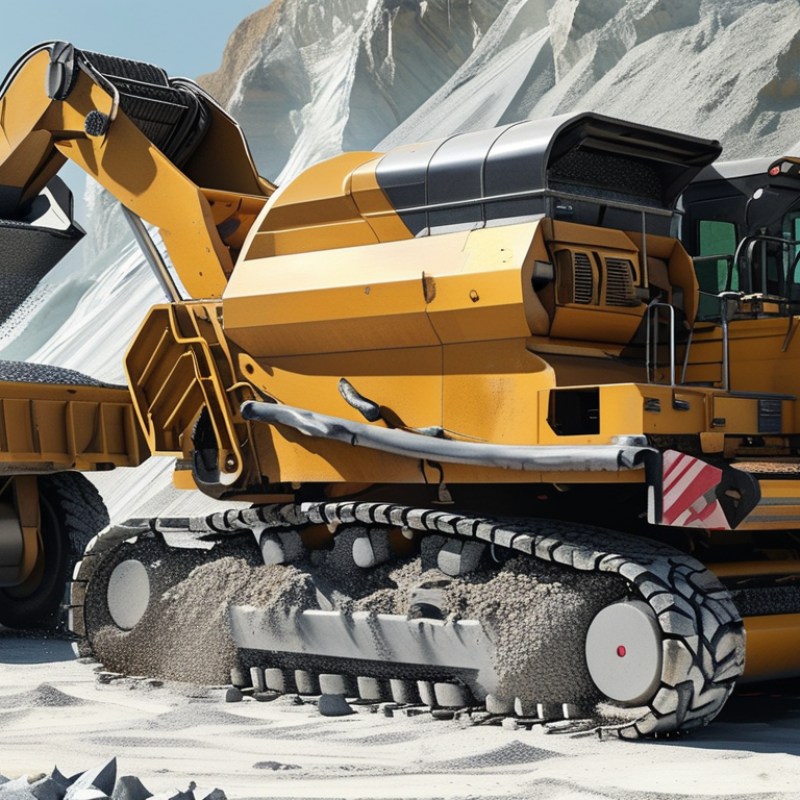
When considering equipment for aggregate production, the Stone Hammer Crusher stands out. This powerful machine is designed for efficiency, making it ideal for various businesses. It breaks down large rocks into manageable sizes, allowing for a more streamlined process.
Many businesses face the challenge of choosing the right crusher. The Stone Hammer Crusher provides an effective solution, thanks to its robust design and reliable operation. Its simplicity ensures ease of use, but challenges can arise in maintenance and operational efficiency.
Investing in the Stone Hammer Crusher means considering both costs and long-term benefits. It can yield high production rates, but businesses must reflect on their specific needs. Selecting the right model and understanding its capabilities is crucial for maximizing potential.
Understanding the Basics of Stone Hammer Crushers
Stone hammer crushers are essential for various industries. They crush materials like limestone, coal, and granite with ease. The design is straightforward, featuring a rotating hammer that impacts materials. This creates multiple fracture points, ensuring efficient crushing.
Understanding how these machines work can help you assess your business needs. Hammer crushers offer high reduction ratios but may not suit every application. It's crucial to consider the material's hardness and size. For softer materials, they perform well. Yet, for harder rocks, wear and tear can occur quickly, demanding more frequent maintenance.
Another aspect is the energy consumption. These crushers are known for their efficiency, but optimizing operation may reduce costs. A poorly maintained machine can lead to greater energy use. Regular check-ups can enhance reliability and prolong life. Analyze your production goals to determine if a stone hammer crusher is the right fit for you.
Key Advantages of Using Stone Hammer Crushers in Industry
Stone hammer crushers have gained popularity in various industries due to their efficiency and reliability. These machines are designed to crush hard materials into smaller pieces effectively. One key advantage is their versatility. They can handle various types of stones, making them suitable for different applications.
The simplicity of operation offers another significant benefit. Operators can quickly learn how to use stone hammer crushers, reducing training time. Additionally, maintenance is often straightforward. Regular checks can keep the machinery running smoothly. Yet, some users may overlook the importance of consistent maintenance, which can lead to unexpected downtimes.
Cost-effectiveness is a crucial factor for many businesses. Stone hammer crushers generally have lower operational costs compared to other equipment. This makes them ideal for companies looking to maximize their profits. However, some businesses might invest less upfront to cut costs, only to face higher expenses later on. Understanding the long-term implications of cost-saving measures is essential for making informed decisions.
Why Choose Stone Hammer Crusher for Your Business Needs? - Key Advantages of Using Stone Hammer Crushers in Industry
| Advantage | Description | Industry Applications | Cost-Effectiveness |
| High Efficiency | Crushes stone material effectively with less time. | Mining, Construction | Reduces labor costs and operational expenses. |
| Durability | Designed for long-lasting use under tough conditions. | Quarries, Recycling | Lower replacement rates lead to savings. |
| Versatility | Suitable for various materials like granite, limestone. | Construction, Industrial Aggregates | Adaptable for different projects, maximizing utility. |
| Easy Maintenance | Simplified design allowing quick servicing. | Heavy Machinery Operations | Less downtime translates to more productivity. |
Applications and Industries Benefiting from Stone Hammer Crushers
The stone hammer crusher is essential for various industries. Its ability to crush hard materials makes it invaluable for mining and construction. Aggregate production relies heavily on these machines. They break down stone into gravel and sand for concrete mixes. Recycling facilities also benefit. The crushers can process reclaimed materials, reducing waste and increasing sustainability.
A diverse range of applications showcases the hammer crusher's versatility. In the metallurgy industry, it's used to prepare ores for extraction. The energy sector utilizes these machines for coal crushing. They ensure that raw materials meet required specifications. Moreover, in the agriculture field, hammer crushers can process organic waste. This helps create compost and soil amendments.
Tips: When selecting a hammer crusher, consider the material types you’ll be processing. Different models may perform better in specific conditions. Regular maintenance is crucial for optimal performance. A well-maintained machine lasts longer and operates more efficiently. Always evaluate the size and capacity you need. Matching the right crusher to your business needs increases productivity.
Maintenance Tips for Ensuring Longevity of Stone Hammer Crushers
To ensure the longevity of stone hammer crushers, proper maintenance is crucial. Regular inspections can help identify wear and tear early. Look for signs of excessive wear on hammers and liners. Replace worn parts promptly to avoid further damage. This proactive approach can extend the machine's lifespan significantly.
Lubrication is another key aspect. Ensure all moving parts are well-lubricated. This reduces friction and wear. Over time, operators may overlook lubrication schedules. Setting reminders can help maintain consistency. Clean the crusher regularly to prevent dust buildup. Dust can clog components and affect performance.
Monitoring operating conditions is essential. High temperatures or unusual vibrations indicate issues. Attention to these details can prevent costly breakdowns. Operators should also keep a log of maintenance activities. This can help track performance trends over time. Note any recurring issues for future reference. Maintaining a stone hammer crusher requires diligence and a keen eye for detail.
Comparative Analysis: Stone Hammer Crushers vs. Other Crusher Types
When evaluating stone hammer crushers, it's essential to compare them against other types. Stone hammer crushers excel in several areas due to their unique design and efficiency. According to research from the International Journal of Mining and Mineral Engineering, these crushers can produce a higher output rate compared to jaw and cone crushers, often achieving 20-25% more throughput in similar operational conditions.
The structure of stone hammer crushers allows for a multi-directional impact, which effectively breaks down materials with varying hardness levels. This contrasts sharply with jaw crushers that primarily crush based on compression. A report by the Mining Equipment Association highlights that stone hammer crushers generate less operational noise and vibration, making them a preferable choice in noise-sensitive environments.
However, there are limitations. The wear and tear on the hammers can be significant, leading to increased maintenance costs. Regular inspections and part replacements are critical to sustain performance. Despite the potential drawbacks, the overall cost-effectiveness of stone hammer crushers can outweigh these concerns in large-scale operations. Companies can see a return on investment in just weeks.