How to Choose the Right Automated Packaging Solutions for Your Business
In today's fast-paced manufacturing landscape, automated packaging has become crucial for businesses aiming to increase efficiency. According to a report by Smithers Pira, the global automated packaging market is projected to reach $55 billion by 2026, highlighting its importance. Many companies are investing heavily in advanced automated solutions to meet consumer demands.
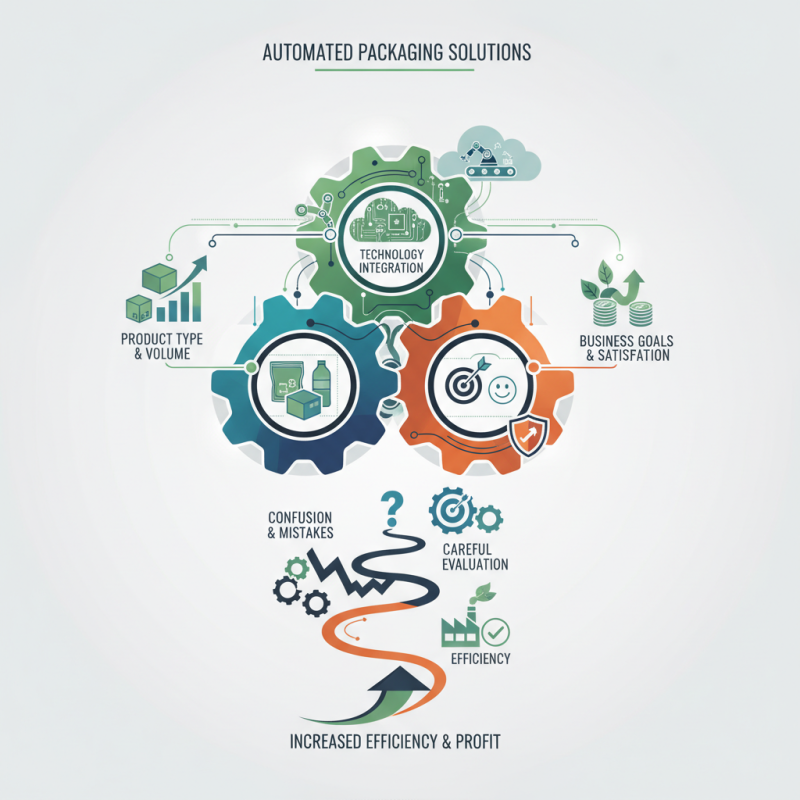
Choosing the right automated packaging solution can be overwhelming. With various technologies available, one must assess individual business needs. Research from the Packaging Machinery Manufacturers Institute indicates that 50% of companies report confusion in selecting adequate machinery. This confusion often leads to costly mistakes and underperformance.
It's not just about cost or speed. Companies need a solution that aligns with their product types, production volume, and sustainability goals. Many overlook the importance of integrating automated packaging with existing systems. This often results in inefficiencies and wasted resources. Taking the time to evaluate all options carefully can ultimately enhance productivity and customer satisfaction.
Understanding Your Business Packaging Needs
Understanding your business packaging needs is crucial for success. Companies must analyze their specific products and market demands. According to a recent report, 70% of consumers believe that packaging influences their purchasing decisions. Businesses that recognize this can improve their packaging strategy significantly.
Evaluate the type of products you offer. Consider their size, weight, and fragility. For example, perishable goods might need insulated packaging to ensure freshness. Failure to meet these needs can lead to spoilage and loss. The right packaging can reduce damage by up to 30%, which is essential for maintaining customer satisfaction.
It's also vital to consider sustainability. A study found that 50% of consumers are willing to pay more for eco-friendly packaging. Choosing materials that minimize environmental impact can attract more customers. However, companies often overlook the balance between cost and sustainability. This reflection is essential for long-term success in today's market.
Automated Packaging Solutions: Business Needs Assessment
Types of Automated Packaging Solutions Available
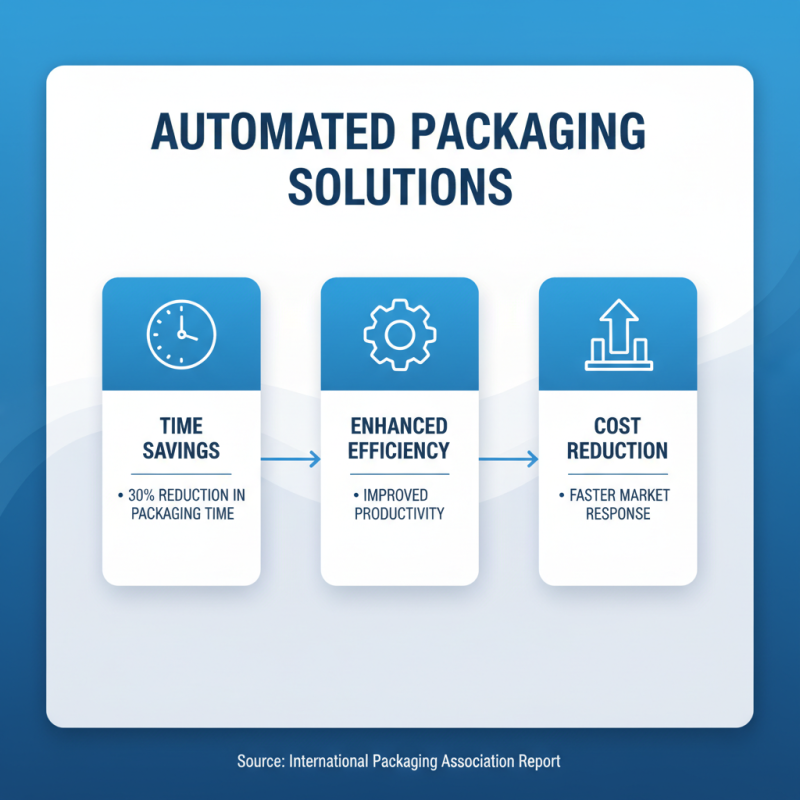
When choosing automated packaging solutions, businesses face various options. Each type serves specific needs, allowing companies to enhance efficiency and reduce costs. For example, according to a report by the International Packaging Association, automated packaging systems can reduce packaging time by 30%. This time savings leads to improved productivity and faster response to market demands.
There are several types of automated packaging solutions available. The most common include form-fill-seal machines, case packing systems, and palletizing solutions. Form-fill-seal machines create packages from roll stock, filling them with the product, and sealing them in one integrated process. This method is popular in food and beverage industries. Case packing systems automate the process of placing products into shipping cases, increasing throughput. Interestingly, data shows that integrating a case packing system can boost packing speed by up to 50%.
Palletizing solutions automate the stacking of packaged products onto pallets. A report from the Packaging Machinery Manufacturers Institute indicates that 77% of all packaged goods are palletized before shipment. Despite these advancements, businesses must consider the upfront costs and maintenance of such systems. Not every business is ready to make this shift. Understanding the specific needs and workflow of a company is crucial in making the right choice.
Evaluating Cost vs. Efficiency in Packaging Automation
When choosing automated packaging solutions, cost and efficiency often clash. Many businesses face the dilemma of investing significantly in automation. The initial setup costs can be daunting. However, the long-term savings could justify this investment. Taking the time to analyze these expenses is crucial. Sometimes, hidden costs arise during operation and maintenance.
Consider the workflow in your facility. An efficient packaging line integrates seamlessly with existing processes. But implementing such a system might require additional training for staff. It’s vital to evaluate the learning curve involved. Will employees adapt quickly? Or will additional time and resources be needed?
Sometimes, cheaper options may lead to inefficiencies down the line. Investing in quality machinery may pay off through lower labor costs and faster throughput. However, beware of over-engineering solutions that aren't necessary for your product type. Every product has unique packaging needs, and not all solutions fit every business model. Balancing these factors can be challenging but necessary for success.
Assessing Scalability and Flexibility of Packaging Systems
When assessing the scalability and flexibility of packaging systems, it's crucial to consider your business’s growth trajectory. According to a report by PMMI, over 60% of companies acknowledge that adaptable packaging solutions significantly enhance their operational efficiency. A system that can scale according to fluctuating demand can save resources and time. If your packaging machinery can accommodate varied package sizes or types, it allows for seamless transitions between products.
Flexibility in design and function is equally important. Many businesses find themselves locked into specific packaging formats, limiting their market adaptability. A study by Logistics Management highlighted that companies employing flexible packaging reported a 30% increase in their responsiveness to market changes. It’s essential to ask whether your current systems can quickly adapt to new product launches or changes in consumer preferences. Consider investing in modular equipment, which offers the ability to reconfigure systems as needed. This approach can prevent costly downtime during transitions and support ongoing innovation.
Despite these advantages, not all automation systems offer the level of flexibility required. Some may have features that are underutilized or cumbersome. It's vital to evaluate the true needs of your operation. Are you purchasing too much capability that won’t be needed immediately? This reflection could save your business substantial costs in the long run while ensuring a smoother path to scalability.
Future Trends in Automated Packaging Technology
The landscape of automated packaging technology is rapidly evolving. Businesses are exploring new methods to enhance efficiency and reduce waste. One major trend is the integration of artificial intelligence. AI systems can optimize packing processes, adjusting in real-time for different product shapes and sizes. This flexibility is vital for meeting consumer demands.
Another emerging trend is sustainability. Eco-friendly materials are gaining traction in automated packaging solutions. Companies are focusing on biodegradable or recyclable options. However, there are challenges. Sourcing sustainable materials can be difficult. Additionally, the cost might deter some businesses from making the switch.
Lastly, automation is becoming more accessible for small to medium enterprises. Advanced technology is no longer limited to large corporations. Many startups are innovating affordable automated solutions. While this democratization of technology is promising, it raises questions about quality and support. Are these new options genuinely reliable? Businesses need to reflect on their choices carefully.
How to Choose the Right Automated Packaging Solutions for Your Business - Future Trends in Automated Packaging Technology
| Dimension |
Description |
Future Trend |
| Speed |
The rate at which products are packaged. |
Increased automation leading to higher packaging speeds. |
| Flexibility |
Ability to handle different product types and sizes. |
Modular systems that adapt to various packaging needs. |
| Cost Efficiency |
Overall savings obtained from automated processes. |
More affordable technology reducing operational costs. |
| Sustainability |
Environmental impact and resource usage. |
Focus on eco-friendly materials and processes. |
| Integration |
Seamlessness with existing production lines. |
Enhanced compatibility with Industry 4.0 technologies. |
| Technology |
Use of advanced technologies in packaging. |
Adoption of AI and IoT for smarter packaging solutions. |